
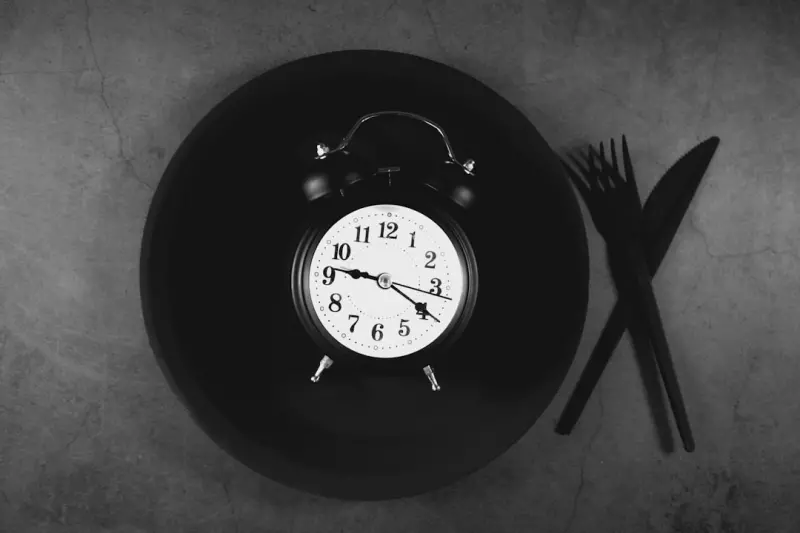
Why the Clock Matters More Than the Plate
In a world where food is available 24/7, the hidden rhythm that governs how we process what we eat is often ignored. Chrononutrition—the science of aligning meals with our internal clock—offers a roadmap that can transform weight management, hormone balance, and mental clarity, even if the ingredients themselves stay the same. When we eat against our natural cycles, we sabotage the finely tuned enzymes and hormones that dictate energy storage and utilization, setting the stage for stubborn fat, sluggish cognition, and chronic inflammation.
Modern schedules, late‑night screen time, and erratic work hours have turned dinner into a midnight snack for many, forcing the liver and pancreas to operate in a perpetual “rush hour.” This misalignment creates a cascade of metabolic stress: insulin sensitivity wanes, cortisol spikes, and the gut microbiome receives mixed signals about when to harvest nutrients. The result is a body that feels perpetually out of sync, craving quick fixes that only deepen the imbalance.
The Science Behind Eating with Your Body Clock
Every cell in our body carries its own peripheral clock, but the master pacemaker in the suprachiasmatic nucleus of the brain orchestrates them like a conductor. When we consume food at the wrong time, we send discordant cues that confuse these peripheral clocks, leading to reduced circadian metabolism efficiency and heightened risk of insulin resistance. Studies show that meals consumed during the biological night trigger a hormonal environment that favors fat storage over fat oxidation.
The concept of an anabolic window is not limited to post‑workout protein; it extends to the early daylight hours when insulin sensitivity naturally peaks. Consuming complex carbohydrates and high‑quality protein before noon maximizes muscle protein synthesis and glycogen replenishment, while the same meal after 6 p.m. can tip the balance toward adipose accumulation. Timing, therefore, becomes a lever to amplify the benefits of otherwise identical meals.
Beyond muscle, the brain is exquisitely sensitive to glucose fluctuations that follow our eating patterns. Research linking meal timing to cognitive performance demonstrates that a steady supply of glucose in the morning fuels neurotransmitter production, sharpening focus and memory. Conversely, late‑night carbs can cause a post‑prandial glucose surge that interferes with the brain’s ability to transition into restorative sleep, creating a feedback loop of fatigue and poor decision‑making.
Actionable Strategies to Sync Your Meals with Your Rhythm
Start by anchoring your first substantial meal within two hours of waking, ideally before 10 a.m. This “front‑loading” approach leverages the body’s natural insulin sensitivity and supports cortisol’s role in mobilizing energy reserves for the day ahead. Pair this meal with a dose of natural light—either a brief walk outside or a sun‑lit workspace—to reinforce the central clock’s signal that it’s daytime.
Implement a daily fasting window of 12–14 hours, ending the eating period by 7 p.m. at the latest. This period of metabolic rest allows the liver to complete its nightly detox processes and the gut microbiota to reset, which can improve nutrient absorption the next day. For those seeking a deeper reset, an occasional 24‑hour fast can amplify autophagy pathways, but always listen to your body’s cues. For further insight on how meal timing can complement nutrient synergy, explore strategic food combos that enhance absorption.
Design your afternoon and evening meals around lower‑glycemic, fiber‑rich foods that provide steady energy without spiking insulin. Incorporate lean proteins, non‑starchy vegetables, and healthy fats, and keep portions modest to avoid overloading the digestive system when melatonin is rising. If you crave a sweet treat after dinner, opt for a small serving of fermented berries or kefir, which not only satisfy the palate but also introduce beneficial microbes; learn more about the benefits of fermented foods for gut health.
Personalizing the Clock‑Based Nutrition Blueprint
No single schedule fits every lifestyle, so it’s essential to experiment with timing windows that respect your work demands, family responsibilities, and personal energy peaks. Use a simple tracking journal to note when you feel most alert, satiated, or sluggish, and correlate those observations with meal times. Over a few weeks, patterns will emerge, revealing the optimal “eating window” that aligns with your unique circadian rhythm.
Remember that consistency is key; the body thrives on predictable cues. Gradually shift meal times by 15‑30 minutes each week if you need to adjust, allowing the peripheral clocks to adapt without shocking the system. Pair these adjustments with regular physical activity—preferably in the morning or early afternoon—to reinforce metabolic pathways that favor fat oxidation and muscle preservation.
When you honor the natural ebb and flow of your internal clock, nutrition becomes less about restriction and more about collaboration with biology. By simply re‑timing what you already eat, you can unlock higher energy, sharper focus, and a more resilient metabolism—all without counting every calorie or overhauling your pantry. The power lies in the timing, not the table.

Related Posts

The Holistic Nutrition Reset: How to Fuel Your Body for Real, Sustainable Energy
Explore a holistic nutrition reset that blends whole foods, mindful timing, and sustainable habits t... Read More

When Timing Beats Ingredients: Rethinking Nutrition for Modern Life
Discover why the clock may be more important than the plate. This article uncovers the science of ch... Read More

The New Nutrition Paradigm: Holistic Fuel for Modern Life
Explore how modern nutrition integrates gut health, micronutrient density, and personalized fueling ... Read More
Top Posts
Rethinking Narcolepsy: A Neurodiversity Advantage in the Workplace
Narcolepsy, often seen as a disruptive sleep disorder, offers unique cognitive strengths. This article shows how workplaces can turn those traits into advantage...Read More

The Hidden Truth About Sleep Apnea: A Holistic Approach to Better Sleep
Sleep apnea is a complex condition that affects millions of people worldwide. Learn how a holistic approach can help you manage symptoms and improve overall sle...Read More

When Nightmares Meet the Boardroom: Turning Sleep Terrors into Strategic Assets
Explore a fresh perspective on sleep terrors, turning them from unsettling dreams into powerful strategic cues for leaders and teams, complete with actionable s...Read More

Storytelling for Longevity: How Narrative Shapes Healthspan
Explore the science behind narrative storytelling and its impact on longevity. Learn daily journaling, community sharing, and digital tools to enhance healthspa...Read More
0 Comments
Post Comment
You will need to Login or Register to comment on this post!