
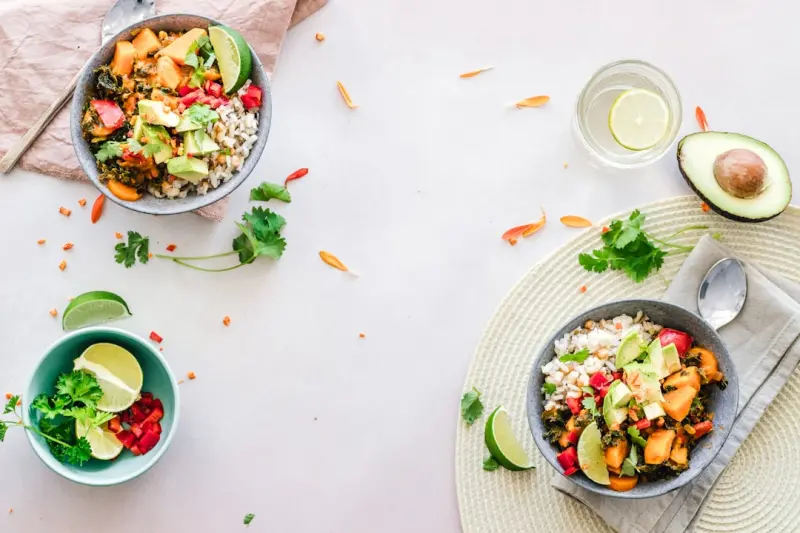
Why Food Is the Hidden Engine Behind Creative Flow
When I first started consulting for fast‑growing startups, I quickly realized that the biggest bottleneck wasn’t code or capital—it was mental stamina. Teams could sprint for weeks, but without the right fuel, focus drifted, ideas stalled, and the inevitable burnout loomed. That realization sparked a personal experiment: I treated my own diet as a performance system, not just a habit. The results were striking enough that I felt compelled to share them with the broader community of knowledge workers, freelancers, and anyone whose day hinges on deep, sustained thinking.
The Science of Food‑Driven Cognition
Neuroscience tells us that the brain consumes roughly 20% of the body’s total energy, even though it makes up only 2% of our weight. This energy isn’t just calories; it’s a precise mix of glucose, ketones, amino acids, and micronutrients that keep neural circuits firing efficiently. When we eat without intention, we often provide the brain with an inconsistent fuel supply, leading to “energy valleys” that manifest as brain fog, irritability, or a sudden craving for sugary snacks.
Research also shows that certain nutrients directly modulate neurotransmitter synthesis. For instance, tyrosine is a precursor to dopamine, the chemical that fuels motivation and reward. Omega‑3 fatty acids support synaptic plasticity, the brain’s ability to rewire itself in response to new challenges. Understanding these pathways lets us design meals that do more than fill a stomach—they sharpen focus, sustain creative momentum, and protect against mental fatigue.
Macro‑Balancing for the Knowledge Economy
Most nutrition advice for the general public focuses on weight loss or cardiovascular health. While those are noble goals, the knowledge economy demands a different lens: cognitive efficiency. Below is a macro framework tailored for professionals who spend long hours at a desk, in virtual meetings, or brainstorming in coworking spaces.
- Complex Carbohydrates (30‑40% of daily calories): Think quinoa, steel‑cut oats, sweet potatoes, and legumes. These release glucose slowly, preventing spikes and crashes that sabotage concentration.
- High‑Quality Proteins (25‑30%): Aim for lean poultry, wild‑caught fish, eggs, and plant‑based options like lentils or tempeh. Protein provides the amino acids needed for neurotransmitter production.
- Healthy Fats (25‑35%): Prioritize monounsaturated and polyunsaturated fats—avocado, nuts, seeds, olive oil, and especially fatty fish rich in EPA/DHA. Fats are the brain’s primary structural component.
- Micronutrient Boosters: Include foods rich in B‑vitamins (leafy greens, fortified cereals), magnesium (pumpkin seeds, dark chocolate), and antioxidants (berries, dark leafy greens) to support mitochondrial function and reduce oxidative stress.
These ratios aren’t rigid; they’re a starting point. The key is consistency—eating similar macro patterns daily helps the body anticipate and efficiently metabolize the nutrients you provide.
Timing Is As Critical As Content
Even the perfect macro split can falter if the timing is off. The concept of nutrient timing has long been a staple in athletic performance, but it’s equally potent for mental athletes.
- Pre‑Work Fuel (30‑60 minutes before deep work): A small, balanced snack containing carbs and protein—like a banana with almond butter—raises blood glucose without causing a crash. This primes the brain for sustained attention.
- Mid‑Morning Reboot (2‑3 hours later): A handful of mixed nuts and a few berries delivers steady fuel and antioxidants, maintaining cognitive clarity.
- Lunch as a Reset: Opt for a plate that’s about 50% vegetables, 30% protein, and 20% whole grains. Avoid heavy, greasy meals that divert blood flow to digestion, leaving the prefrontal cortex under‑perfused.
- Afternoon Slump Solution: A light green tea or a small piece of dark chocolate (70% cacao) offers a modest caffeine boost plus L‑theanine, a compound that smooths the jittery edge of caffeine, fostering a calm focus.
- Evening Wind‑Down: Keep dinner light and protein‑moderate. Excess protein late at night can increase tryptophan conversion to serotonin, making you drowsy when you need to finish a project. A balanced, low‑glycemic meal supports both recovery and the next day’s mental performance.
Brain‑Food Staples for Creative Professionals
Below is a curated list of foods that consistently show up in peer‑reviewed studies as “cognitive enhancers.” Incorporating these regularly can make a noticeable difference in idea generation, problem‑solving speed, and emotional regulation.
- Blueberries: Packed with anthocyanins, they improve memory consolidation.
- Salmon & Mackerel: Rich in DHA/EPA, they support synaptic fluidity.
- Leafy Greens (Spinach, Kale): High in folate, iron, and vitamin K, crucial for brain cell signaling.
- Walnuts: Contain a unique profile of omega‑3s and polyphenols that boost neurogenesis.
- Turmeric (Curcumin): Anti‑inflammatory properties that protect neural pathways.
- Eggs: Provide choline, a precursor to acetylcholine, a neurotransmitter involved in learning.
- Fermented Foods (Sauerkraut, Kimchi, Kefir): Promote gut microbiota diversity, which recent research links to mood regulation and cognitive flexibility.
Hydration: The Overlooked Performance Lever
Even mild dehydration (as little as 1% body weight loss) can impair attention, psychomotor speed, and short‑term memory. For the remote worker who forgets to refill the water bottle, the impact is real. Aim for at least 2.5 liters of water daily, spread evenly. Adding a pinch of sea salt or a squeeze of citrus can improve electrolyte balance without resorting to sugary sports drinks.
Putting It All Together: A Sample Day for a Knowledge Worker
Below is a practical, “copy‑and‑paste” menu that translates the macro‑timing framework into concrete meals.
| Time | Meal / Snack | Key Benefits |
|---|---|---|
| 07:30 | Oatmeal with chia seeds, blueberries, and a spoonful of almond butter | Steady carbs, omega‑3s, antioxidants – primes morning focus |
| 09:45 | Greek yogurt + mixed nuts | Protein + healthy fats – maintains glucose stability |
| 12:30 | Grilled salmon salad (mixed greens, quinoa, avocado, lemon‑olive oil dressing) | EPA/DHA, fiber, complex carbs – comprehensive brain fuel |
| 15:00 | Green tea + 2 squares dark chocolate | Caffeine + L‑theanine combo for calm alertness |
| 17:30 | Stir‑fry tofu with broccoli, bell peppers, and brown rice | Plant protein, vitamin C, B‑vitamins – supports afternoon productivity |
| 20:00 | Chamomile tea + a small serving of kefir | Relaxation + probiotic gut support for overnight recovery |
Team‑Level Implementation: From Individual to Organization
Nutrition often feels like a personal responsibility, but forward‑thinking companies can embed these principles into their culture, driving both employee well‑being and business outcomes.
- Virtual Lunch & Learn Sessions: Invite a registered dietitian to discuss “brain‑fueling meals for remote work.” Pair the session with a shared Google Sheet of quick recipes.
- Snack Stash Policies: Replace vending‑machine candy with nuts, dried fruit, and dark chocolate bars. Even a small change in office pantry inventory can shift collective snacking habits.
- Hydration Challenges: Use a simple Slack bot to remind teams to log water intake. Celebrate milestones with a “Focused Friday” badge.
- Meal‑Prep Subsidies: Offer stipends for meal‑prep services that emphasize whole foods and balanced macros. The ROI appears as reduced sick days and higher project completion rates.
Case Study: A Marketing Agency’s 90‑Day Cognitive Nutrition Rollout
One of our clients, a mid‑size digital agency, struggled with “creativity fatigue” during long sprint cycles. Over three months, we introduced a nutrition protocol based on the framework above. Highlights include:
- Replacing the office coffee station with a focus bar—espresso shots paired with a protein ball.
- Weekly “Brain‑Boost” lunch boxes containing salmon, quinoa, and mixed greens.
- Monthly workshops linking cognitive resilience through nature, play, and nutrition to real‑world project outcomes.
After 90 days, the agency reported a 22% increase in idea‑generation metrics (measured via brainstorming session counts) and a 15% drop in self‑reported mental exhaustion. The data underscores that intentional nutrition is not a “nice‑to‑have” perk—it’s a strategic advantage.
Addressing Common Objections
“I don’t have time to cook.” – Batch‑cook on weekends, using the “one‑pot” method (e.g., sheet‑pan salmon with vegetables). Portion into microwavable containers for the week.
“I’m not a foodie; I can’t afford exotic ingredients.” – Focus on affordable staples: eggs, canned fish, frozen berries, and bulk legumes. The cognitive payoff comes from the nutrients, not the price tag.
“I’m already healthy; why change?” – Even baseline‑healthy individuals can optimize for mental performance. Small tweaks in timing and macro distribution can shift you from “good” to “great” in high‑stakes problem‑solving.
Future Trends: Personalized Nutrition Powered by AI
Emerging platforms now combine continuous glucose monitors, wearable sleep data, and AI‑driven meal recommendations. Imagine a system that nudges you to grab a walnut‑rich snack precisely when your brain’s glucose dips below an optimal threshold. While still early, these tools promise to turn the nutrition‑performance loop into a real‑time, data‑driven partnership.
In the meantime, the fundamentals—balanced macros, strategic timing, brain‑food staples, and hydration—remain the most reliable levers at your disposal. By treating food as a performance input rather than a passive afterthought, you can unlock a level of creative flow that feels less like luck and more like engineered mastery.
Actionable Checklist for Immediate Implementation
- Map your typical workday and identify three “fuel gaps” where you experience low energy.
- Replace each gap with a snack that follows the macro‑balanced formula (30% carbs, 30% protein, 40% fat).
- Log water intake for a week; aim for at least 2.5 L daily.
- Introduce one new brain‑food each week—start with blueberries, then add walnuts, then fermented kefir.
- Schedule a 15‑minute “nutrition audit” with your team lead to discuss collective snack choices.
Conclusion: Food As Your Most Accessible Competitive Edge
When we stop treating nutrition as a background habit and start viewing it as a deliberate performance strategy, we gain a powerful, cost‑effective lever for boosting creativity, focus, and resilience. Whether you’re a solo freelancer juggling client calls or a growing startup scaling its product, the right foods at the right times can turn mental fatigue into sustained flow. Start small, stay consistent, and watch your output sharpen in ways that no productivity app alone can deliver.

Related Posts
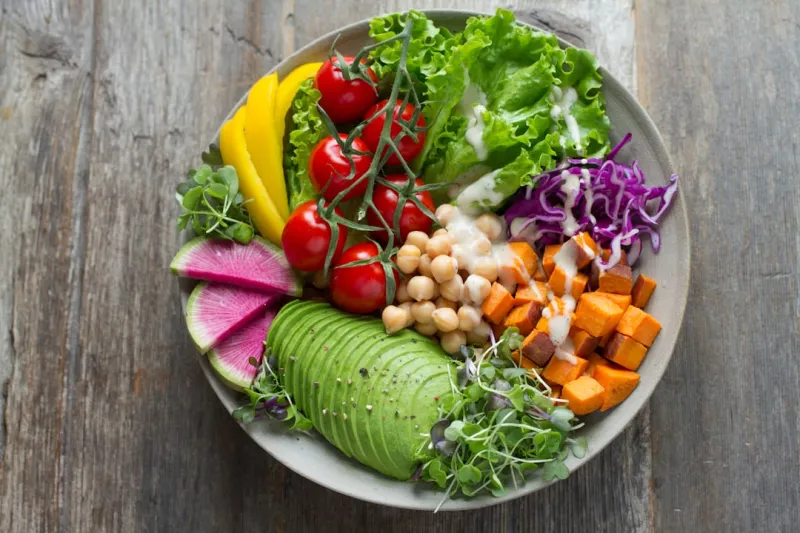
Nutrition and Overall Wellness: A Holistic Approach
A well-balanced diet is essential for maintaining overall health and wellness. By making informed ch... Read More

Unlocking the Power of Food Synergy: How Smart Pairings Boost Your Nutrition
Learn how pairing the right foods—like iron with vitamin C or fats with fat‑soluble vitaminsâ€... Read More

Playful Nutrition: Designing Meals That Teach Your Body
A fresh take on nutrition that treats each meal as a fun experiment, using the 4‑S Blueprint to bo... Read More
Top Posts
Beyond the Feed: How Digital Algorithms Influence Eating Disorders
A personal dive into how algorithm‑driven feeds fuel disordered eating, with practical tips to break the cycle and harness technology for recovery....Read More

Nutrition and Mental Health During Pregnancy: A Holistic Approach
Pregnancy is a transformative period marked by significant physiological, emotional, and psychological changes. A holistic approach to pregnancy emphasizes the ...Read More

Data-Driven Cancer Resilience: Turning Numbers into Hope
By treating cancer as a personal data project, you can detect early warning signs, fine‑tune lifestyle levers, and collaborate with clinicians—all using wea...Read More

Transform Your Weight Loss Journey by Treating It Like a Personal Investment Portfolio
Learn how to reframe weight loss as a personal investment, using budgeting, macro diversification, and habit stacking to achieve lasting, sustainable results....Read More
0 Comments
Post Comment
You will need to Login or Register to comment on this post!