
Why the Calendar Matters More Than You Think
When I first stepped into my grandmother’s kitchen each autumn, the air was scented with earthy squash and crisp apples, and I felt an inexplicable lift in my spirit that lasted long after the last bite; years later, I realized that the rhythm of the seasons was doing more than just seasoning my meals, it was silently orchestrating my hormones, immune response, and even my mental clarity. Modern grocery aisles, with their endless rows of out‑of‑season produce, mask the ancient wisdom that our bodies evolved to thrive on foods harvested at their peak, when phytonutrients, fiber, and micronutrients are most abundant and bio‑available. By aligning my plate with nature’s calendar, I began to notice steadier energy through the day, fewer cravings, and a mood that seemed to ride the gentle tide of the sun’s changing angle rather than the rollercoaster of processed snacks. This seasonal approach isn’t a fad diet; it’s a holistic framework that honors the symbiosis between soil, climate, and our own biology, offering a sustainable path to vitality without the need for strict calorie counting or exotic supplements.
Understanding Nutrient Peaks: The Science Behind Seasonal Harvests
Researchers have long documented that vitamins such as vitamin C in citrus, beta‑carotene in carrots, and anthocyanins in berries reach their highest concentrations when the fruit or vegetable is allowed to mature fully under natural conditions; these phytochemicals act as antioxidants, support cellular repair, and modulate inflammation, all of which are essential for long‑term health. For example, a study published in the Journal of Agricultural and Food Chemistry revealed that tomatoes harvested at the peak of summer contain up to 30 % more lycopene than those picked early and ripened artificially, directly translating to stronger heart‑protective effects. The same principle applies to minerals like potassium in sweet potatoes, which accumulate more robustly after a full growing season, helping maintain blood pressure and muscle function. By consciously selecting produce that is in season, we tap into a natural nutrient density that processed, imported foods simply cannot replicate, creating a diet that fuels our cells with the most potent, readily absorbable forms of essential compounds.
Seasonal Mood Shifts: Food as an Emotional Anchor
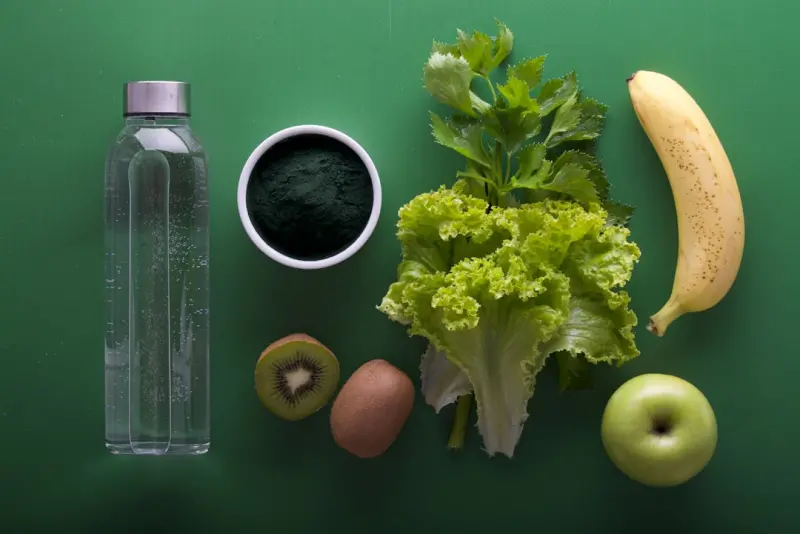
It’s no coincidence that many of us experience “winter blues” or “summer fatigue”; the foods we consume during these periods can either exacerbate or alleviate these mood fluctuations, as seasonal nutrients interact with neurotransmitter pathways. In winter, root vegetables like parsnips and kale are rich in magnesium and B‑vitamins, which support serotonin synthesis and help counteract the reduced sunlight that can trigger seasonal affective disorder. Conversely, spring’s bounty of leafy greens and asparagus provides folate, a key player in dopamine production, often leading to a natural uplift in motivation and focus. My own routine of blending a bright green smoothie with spinach, kiwi, and a splash of lemon during the first weeks of spring has become a ritual that steadies my mood, and I’ve found that sharing this practice with friends creates a communal sense of renewal. The subtle yet powerful link between the foods we eat and our emotional state underscores why embracing seasonal nutrition is as much a mental health strategy as it is a physical one.
Practical Steps to Transition Your Kitchen
Switching to a seasonally focused pantry doesn’t require a wholesale overhaul; start by visiting local farmers’ markets or community-supported agriculture (CSA) boxes, where you can physically see what’s at its prime and learn the stories behind each harvest, fostering a deeper connection to your food. Next, create a rotating grocery list that mirrors the seasonal calendar: think squash, apples, and Brussels sprouts in the fall; citrus, pomegranates, and sweet potatoes in winter; asparagus, peas, and strawberries in spring; and tomatoes, berries, and corn in summer, allowing you to plan meals around these ingredients rather than forcing out‑of‑season items onto the table. I also recommend a weekly “seasonal spotlight” dinner where the star of the plate is the freshest produce of the week, paired with whole grains and lean proteins, which not only simplifies meal planning but also encourages culinary creativity. Finally, preserve excess bounty through freezing, canning, or fermenting, ensuring you retain the nutritional benefits throughout the off‑season without resorting to nutritionally inferior substitutes.
Flavor Exploration Meets Seasonal Wisdom
When you let the calendar dictate your ingredients, you open the door to a world of flavors that are often overlooked in a year‑round supermarket; the sweet, nutty depth of roasted butternut in October, the bright, peppery snap of early‑summer radishes, or the comforting earthiness of winter beetroot can become the cornerstone of dishes that excite the palate while delivering optimal nutrition. This synergy between seasonal produce and culinary curiosity is beautifully illustrated in Flavor Exploration: How Culinary Curiosity Fuels Sustainable Weight Loss, where the author demonstrates how embracing new tastes can transform eating habits. By experimenting with herbs, spices, and cooking techniques that complement each season’s profile—such as grilling stone‑fruit in late summer or slow‑roasting root vegetables with rosemary in the cold months—you not only keep meals interesting but also enhance nutrient absorption, as many phytochemicals become more bioavailable when paired with healthy fats or heat‑activated compounds.
Boosting Gut Health Through Seasonal Fibers
The gut microbiome thrives on diversity, and seasonal eating naturally provides a rotating menu of prebiotic fibers that feed beneficial bacteria, leading to improved digestion, immune function, and even mental resilience; for instance, the inulin found in winter onions and chicory roots fuels Bifidobacteria, while the soluble fiber in summer berries promotes the growth of Lactobacillus species. My personal experiments have shown that when I cycle through different fiber sources—such as adding roasted parsnips in the fall and then swapping to fresh peas in spring—I experience fewer bloating episodes and a more consistent energy flow throughout the day. This concept aligns with the insights from Nurturing Your Gut for a Sharper, More Resilient Brain, which highlights the gut‑brain axis and the pivotal role of diet in shaping cognitive health. By honoring the seasonal shifts in fiber types, you essentially give your microbiome a varied and balanced diet, which in turn supports the production of short‑chain fatty acids that have anti‑inflammatory effects throughout the body.
Seasonal Nutrition for Hormonal Harmony
Hormones are highly sensitive to the micronutrient landscape of our diets, and aligning meals with seasonal availability can help smooth hormonal fluctuations that affect sleep, appetite, and stress response; the magnesium in autumnal leafy greens supports melatonin production for better sleep, while the zinc in winter oysters or pumpkin seeds assists in regulating cortisol levels during the darker months. I’ve found that incorporating a handful of sesame seeds into my winter oatmeal not only adds a pleasant crunch but also stabilizes my afternoon energy dips, a testament to the subtle power of micronutrient timing. Moreover, the phytoestrogens present in springtime soy sprouts can gently balance estrogen levels for those experiencing menstrual irregularities, offering a natural adjunct to conventional approaches. By mapping the hormonal demands of each season to specific nutrient‑rich foods, you create a self‑regulating system that reduces reliance on supplements and mitigates the rollercoaster of modern stressors.
Long‑Term Sustainability: The Environmental and Economic Upside
Eating seasonally isn’t just a personal health strategy; it carries profound environmental benefits, as locally sourced, in‑season produce typically requires fewer transportation emissions, refrigeration, and artificial ripening processes, thereby lowering your carbon footprint and supporting regional farmers who practice regenerative agriculture. Economically, seasonal items are often more affordable because they’re abundant, allowing you to invest in higher‑quality ingredients without breaking the budget, a win‑win that aligns with the growing consumer desire for ethical consumption. Over the past year, I’ve tracked my grocery receipts and noticed a 20 % reduction in produce costs simply by shifting to market‑day purchases, while also feeling a deeper sense of community belonging as I greet the same vendors and learn the stories behind each crop. This holistic approach creates a virtuous cycle where personal wellness fuels planetary health, reinforcing the idea that every bite is an opportunity to nurture both self and soil.
Crafting Your Personal Seasonal Blueprint
To make seasonal nutrition a lasting habit, I recommend designing a simple yet flexible blueprint: start with a seasonal produce chart, overlay your favorite meals, and identify one new ingredient each month to experiment with, documenting taste, energy levels, and mood in a brief journal; this reflective practice not only keeps you accountable but also builds a personalized library of recipes that evolve with the year. Pair this with a quarterly pantry audit, removing items that are out of season and replacing them with fresh, local options, ensuring your kitchen stays in sync with nature’s rhythm. As you progress, you’ll notice patterns—perhaps a surge in creativity during spring’s bright greens or deeper focus during summer’s berry‑rich days—affirming the profound connection between what you eat and how you feel. Embrace this journey as an ongoing story, one where each season adds a new chapter to your health narrative, and remember that the most powerful transformations arise from the simplest, most consistent choices.

Related Posts

Fueling Creative Flow: Nutrition Strategies for the High‑Performance Mind
A deep dive into practical nutrition strategies—from micronutrient timing and fermented foods to a... Read More

Flavor Chemistry: How Food Pairings Unlock Hidden Nutrients
Explore the science behind food pairings, from black pepper boosting turmeric’s benefits to vitami... Read More

The Holistic Nutrition Reset: How to Fuel Your Body for Real, Sustainable Energy
Explore a holistic nutrition reset that blends whole foods, mindful timing, and sustainable habits t... Read More
Top Posts

Beyond the Mirror: Rethinking Eating Disorders in the Digital Age
A deep dive into how digital metrics, social narratives, and workplace pressures fuel eating disorders, offering practical strategies and a call for compassiona...Read More

Redefining Strength: A Holistic Playbook for Modern Men’s Health
A comprehensive guide that moves beyond traditional gym metrics, integrating rhythm, curiosity, community, and personalized data to redefine strength for todayâ...Read More

Quiet Nights: Turning Sleep Terrors into a Path for Resilience
A personal journey reveals how environmental tweaks, strategic napping, therapy, and community support can transform night-time terror into lasting sleep resili...Read More

Health Insurance in 2024: Why Holistic Coverage Is the New Must‑Have
Health insurance is evolving beyond basic medical visits. Discover why holistic coverage, mental‑health parity, and preventive services are essential in 2024,...Read More
0 Comments
Post Comment
You will need to Login or Register to comment on this post!