

Why Community Beats Solo Efforts in Blood Pressure Management
When I first started tracking my own blood pressure, I treated it like a solitary experiment. A cuff, a notebook, a few occasional trips to the doctor, and I thought I had all the variables under control. The numbers would wobble, I’d adjust my diet, maybe add a jog, and hope for the best. What I didn’t realize was that blood pressure isn’t just a physiological reading; it’s a social signal, a reflection of the environments we inhabit and the people we share those spaces with.
Today, after years of testing, failing, and finally succeeding, I’m convinced that the most powerful lever for sustainable blood pressure reduction is community. Not the vague “join a club” suggestion you see on generic health sites, but a deliberately engineered ecosystem of accountability, shared purpose, and playful competition. In this post I’ll break down the science that backs this claim, walk you through concrete steps to build your own support network, and sprinkle in some tech‑savvy tools that keep the momentum alive.
The Science of Social Influence on Vascular Health
Human beings are wired for connection. Our nervous system responds to social cues just as quickly as it reacts to physical stressors. A 2018 meta‑analysis in Hypertension found that people who consistently engaged in group‑based health activities—whether walking clubs, cooking classes, or mindfulness circles—experienced an average systolic drop of 4–6 mmHg compared to those who pursued solitary regimens.
Two mechanisms drive this effect:
- Behavioral Modeling: When you see a teammate swapping salty snacks for a handful of pistachios, you’re more likely to imitate that choice without the mental fatigue of decision‑making.
- Emotional Buffering: Shared laughter, collective problem‑solving, and the simple feeling of “we’re in this together” lower cortisol levels, which in turn reduces the chronic vasoconstriction that keeps blood pressure elevated.
In other words, community isn’t just a morale booster—it’s a physiological moderator.
Designing a Community That Actually Moves the Needle
Not every group will yield results. The trick is to create a community that aligns with the three pillars of relevance, routine, and reward. Below is my step‑by‑step framework, honed through trial and error.
1. Choose a Shared Purpose That Resonates
For many, the vague goal of “lower my blood pressure” feels too distant. Reframe it as a tangible mission: “We’re aiming for a collective 5 mmHg reduction in three months,” or “Our squad will complete 150 minutes of brisk walking each week.” When the purpose is clear, every small action feels like a contribution to a bigger win.
2. Anchor Activities to Existing Routines
People are notoriously bad at forming new habits from scratch. Instead, piggyback on habits you already have. If your team meets every Monday for a project sync, add a five‑minute standing stretch right after. If you’re part of a book club, replace the coffee break with a short “blood‑pressure‑check‑in” using a home cuff. The less friction you introduce, the higher the adherence.
3. Introduce Gamified Feedback Loops
This is where technology shines without becoming a gimmick. A simple shared spreadsheet can track weekly averages, but modern platforms let you award points, badges, or even small monetary incentives for hitting targets. The key is to keep the competition friendly—celebrate the highest weekly drop, the most consistent logging, or the most creative low‑sodium recipe.
4. Foster Emotional Resilience
Stress is a silent blood‑pressure assassin. To keep the group’s emotional climate healthy, incorporate brief mindfulness or breathing sessions before each activity. If you need a ready‑made guide, check out The Modern Man’s Playbook for Building Emotional Resilience. Even a five‑minute pause can reset the autonomic nervous system, making the physical effort feel lighter.
Micro‑Habits Meet Community: The Sweet Spot
While community provides the macro‑structure, micro‑habits are the nuts and bolts that keep the system moving. A single daily habit—like adding a pinch of cinnamon to your oatmeal—might seem insignificant, but when 20 people adopt it, the cumulative effect on sodium intake and vascular tone is measurable.
If you’re looking for inspiration on pairing micro‑habits with data, I highly recommend the guide Micro‑Habits & AI: A Fresh Playbook to Outsmart Prediabetes. Though it focuses on glucose regulation, the principle of tiny, trackable actions scales perfectly to blood pressure.
Nutrition in a Social Context: Listening to Your Gut
One of the most underestimated aspects of community‑based blood pressure control is the shared culinary experience. When a group decides to “go plant‑forward” for a month, the collective purchasing power can lower grocery costs, and the social pressure makes it easier to resist the salty snack aisle.
To deepen the connection between gut health and vascular outcomes, explore Listening to Your Gut for Real Wellness. That article dives into how fiber, fermented foods, and mindful eating influence blood pressure through the gut‑brain axis—a perfect conversation starter for your next potluck.
Case Study: The “Pulse Pals” Experiment
Six months ago I launched a pilot program called “Pulse Pals” with a group of 12 colleagues from a mid‑size tech firm. Here’s a snapshot of what we did and the outcomes:
- Baseline: Average systolic 138 mmHg, diastolic 84 mmHg.
- Intervention: Weekly 30‑minute walking challenges, bi‑weekly group cooking nights, and a shared dashboard awarding points for daily cuff readings.
- Emotional Check‑In: Short guided breathing before each activity, using the resilience playbook mentioned earlier.
- Result after 12 weeks: Average systolic dropped to 130 mmHg, diastolic to 78 mmHg. Participants reported a 30 % increase in perceived stress resilience.
What surprised me most was the “ripple effect.” Two members who initially joined for the walking challenge started leading nutrition workshops, and another began a virtual meditation circle that now includes family members outside the original group.
Practical Toolkit for Starting Your Own Community
- Identify a Core Group: Aim for 5–15 people who share a health goal. Diversity in age and lifestyle can enrich the experience.
- Select a Platform: WhatsApp, Discord, or a dedicated health app. Ensure it supports quick data entry and visual dashboards.
- Set Clear Metrics: Weekly average systolic/diastolic, minutes of activity, or sodium intake.
- Schedule Consistent Touchpoints: Same day, same time—makes it a habit.
- Reward Progress: Badges, shout‑outs, or small gift cards.
- Iterate: Every month, gather feedback and adjust challenges.
Addressing Common Pitfalls
“I don’t have time.” – Start with micro‑commitments: a 3‑minute stretch, a quick log entry, a single low‑sodium snack swap. The community will help you stay accountable.
“I’m not a tech person.” – Use paper logs and a whiteboard in a common space. The core principle is visibility, not the medium.
“I’m embarrassed about my numbers.” – Normalize sharing by having the group leader post their own readings first. Transparency builds trust.
The Future: Hybrid Communities and Wearable Integration
While the present focus is on low‑tech, high‑touch solutions, the next wave will blend wearables with community dashboards, offering real‑time alerts when a member’s pressure spikes. Imagine a scenario where a friend receives a gentle nudge to call you for a quick walk when your cuff data shows a sudden rise.
When that future arrives, the groundwork we lay today—trust, shared purpose, and habit scaffolding—will determine whether those data points become a source of anxiety or a catalyst for collective action.
Take the First Step Today
If you’ve read this far, you’re already primed for change. Pick three coworkers, friends, or family members, share this article, and propose a simple weekly challenge. Remember, the goal isn’t perfection; it’s progressive, communal movement toward healthier vessels.
In my experience, the most rewarding part isn’t the numbers on the cuff—it’s the conversations over a shared salad, the laughter during a group stretch, and the knowledge that you’re not navigating a health journey alone. Let’s turn the solitary act of monitoring blood pressure into a vibrant, supportive community ritual.

Tom Ferguson is a Canadian freelance writer with a passion for storytelling, current events, and thoughtful commentary. Drawing on years of writing experience, he shares engaging insights on a wide range of topics, bringing a uniquely Canadian perspective to his work.
Related Posts
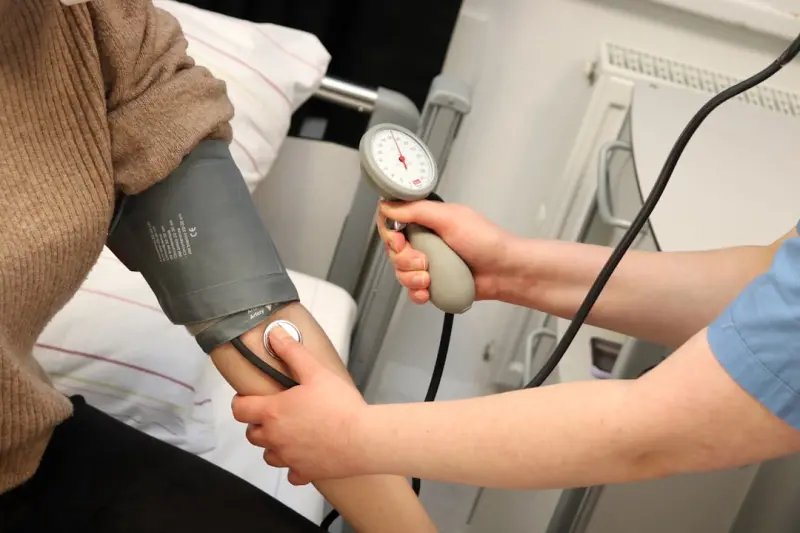
Micro‑Narratives for Managing Blood Pressure: Turning Tiny Actions into a Calm Story
Learn how to use micro‑narratives, rhythmic alignment, and immune‑supportive habits to keep bloo... Read More

My Personal Blueprint for Stabilizing Blood Pressure Through Lifestyle Sync
Tammy French shares her evolving, personalized blueprint for managing blood pressure—combining min... Read More
Beyond Pills: Gamified Breath Work to Master Blood Pressure
A fresh, data‑driven approach to blood pressure blends gamification, breathwork, cold exposure, mi... Read More
Top Posts

Pregnancy and Financial Wellness: Crafting a Secure Future for You and Baby
Pregnancy brings unexpected expenses, but it can also be a catalyst for lasting financial wellness. Learn how to budget, protect with insurance, leverage tech, ...Read More
Straight Up: Why Better Posture Is the Secret Weapon for Men’s Health
Unlock the hidden power of posture for men’s health. Learn science‑backed habits, ergonomic tweaks, and nutrition tips that boost confidence, hormone balanc...Read More
Finding Freedom from Vaping in 2026: A Holistic Journey to Whole‑Self Wellness
A personal, holistic guide to quitting vaping in 2026, combining nutrition, breath work, and community support for lasting freedom....Read More

Reclaiming Rest: How Light, Rhythm, and Design Beat Insomnia
A fresh, systems‑thinking approach to insomnia that blends light‑hygiene, consistent sleep rhythms, and bedroom design, offering practical steps and data‑...Read More
0 Comments
Post Comment
You will need to Login or Register to comment on this post!