
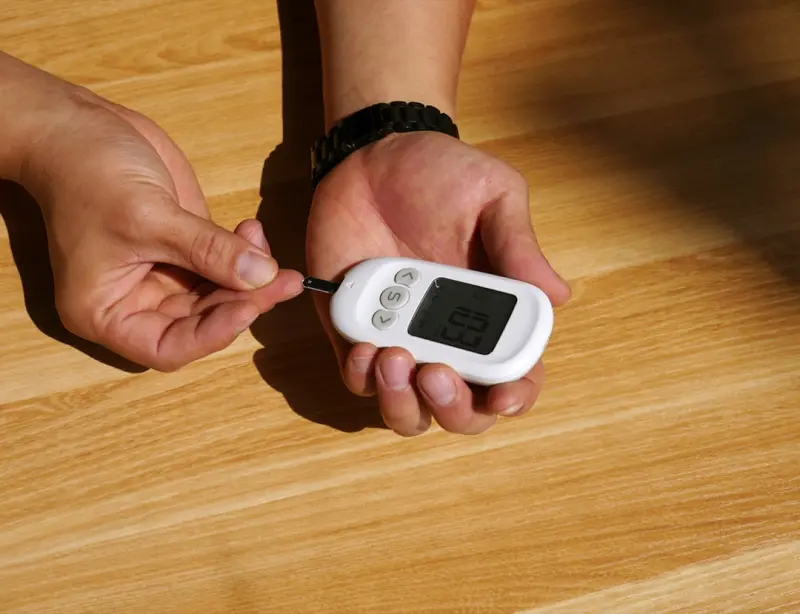
Why Timing Beats Calories When It Comes to Blood Sugar
When most people think about managing glucose, the conversation instantly jumps to “cut the carbs” or “watch your portion sizes.” Those are valid pieces of the puzzle, but there’s a hidden lever that many overlook: when you eat. My own journey with blood‑sugar volatility taught me that the clock on the wall can be just as influential as the food on the plate.
The Science of the Body Clock (Circadian Rhythm)
Every cell in our body runs on a 24‑hour internal schedule called the circadian rhythm. From hormone release to body temperature, this rhythm orchestrates countless processes. One of the key hormones in the glucose orchestra is insulin, and its sensitivity waxes and wanes throughout the day. Research shows that insulin sensitivity peaks in the morning and gradually declines toward the evening. In other words, the same slice of whole‑grain toast can cause a dramatically different glucose spike depending on whether you consume it at 8 a.m. or 8 p.m.
Why does this matter? Because repeated high spikes in the evening can erode insulin receptors, set the stage for prediabetes, and make it harder to achieve stable energy levels. The concept of aligning meals with our internal clock is known as chrononutrition. It’s a growing field that blends nutrition science with chronobiology to create a personalized eating timetable.
Chrononutrition vs. Traditional Dieting
Traditional dieting often focuses on the what—macronutrient ratios, calorie counts, food quality. Chrononutrition flips the script: the when becomes the primary variable, while the what remains flexible. Imagine a toolbox where the hammer (food composition) stays the same, but the timing of each strike determines whether you build a sturdy house or a shaky shack.
Two key observations underpin this approach:
- Morning Metabolic Advantage: Studies consistently show that glucose tolerance is highest within the first six hours after waking. Your pancreas is primed to release insulin efficiently, and muscle tissue is more receptive to glucose uptake.
- Evening Metabolic Slump: As daylight fades, melatonin rises, cortisol dips, and the body shifts toward repair mode. Insulin sensitivity drops, and the liver tends to release more glucose into the bloodstream—a natural process that, if paired with a heavy dinner, can cause prolonged hyperglycemia.
Practical Strategies for Chrononutrition
Below are actionable steps you can embed into a busy professional life. I’ve tested each of these for at least three months, and the data from my continuous glucose monitor (CGM) speaks for itself.
1. Embrace Time‑Restricted Eating (TRE)
Time‑restricted eating narrows your daily eating window, typically to 8‑10 hours. I start my first meal within an hour of waking and finish eating by 6 p.m. This automatically forces the largest portion of carbohydrate intake into the morning‑afternoon window when insulin works best.
Tips for implementation:
- Set a clear “window start” alarm on your phone.
- Use a simple fasting app to track the off‑window period; the visual cue reinforces discipline.
- Plan meals ahead of time—pre‑portion proteins and veggies so you’re not scrambling for options when the window closes.
2. Prioritize Protein and Healthy Fats Early
Instead of front‑loading carbs, load the early meals with protein (eggs, Greek yogurt, legumes) and monounsaturated fats (avocado, olive oil). This strategy blunts the post‑prandial glucose rise and keeps you satiated longer, reducing the temptation to snack late at night.
3. Shift Carbohydrate‑Heavy Meals to Mid‑Morning
If you need a carbohydrate source for performance—think a pre‑workout snack—aim for mid‑morning (around 10 a.m.). A small bowl of oatmeal or a banana at this time leverages peak insulin sensitivity without the risk of late‑night glucose spikes.
4. Light Dinner, Heavy on Vegetables
By 6 p.m., switch to a plate dominated by non‑starchy vegetables and lean protein. If you crave carbs, opt for a modest portion of sweet potato or quinoa, and pair it with a good source of fiber to slow absorption.
5. Leverage “Meal Sequencing”
Research suggests that the order of foods on a plate influences glucose response. Start meals with fiber‑rich veggies, then protein, and finally carbs. This sequencing triggers a cascade of gut hormones that modulate insulin release.
6. Mind the “Snack Gap”
Many professionals default to a mid‑afternoon coffee break with a sugary treat. If you must snack, choose a combination of protein and low‑glycemic carbs—think a handful of almonds with a few berries. This prevents a sharp glucose dip that often leads to overeating later.
Tools and Tech to Keep You on Track
Technology can be a silent partner in chrononutrition. Here are a few tools I rely on:
- Continuous Glucose Monitors (CGM): Real‑time data lets you see the impact of meal timing instantly. I use the trend lines to fine‑tune my eating window.
- Smartphone Timers & Calendar Blocking: I block “eating windows” on my work calendar, just like meetings, to protect the schedule from encroachment.
- Light Therapy Lamps: In winter months, bright light exposure in the morning helps reinforce the circadian cue, improving insulin sensitivity throughout the day.
Integrating Chrononutrition with Stress Management and Gut Health
While timing is the star of this piece, it doesn’t exist in isolation. Chronic stress can blunt insulin sensitivity, and a dysbiotic gut can amplify glucose excursions. For a holistic approach, consider pairing chrononutrition with proven strategies for stress management for prediabetes and exploring the microbiome’s role in blood sugar. When you address these three pillars—time, stress, and gut—you create a synergistic effect that can dramatically improve glucose stability.
Common Pitfalls and How to Avoid Them
Even the best‑intentioned plan can falter. Below are mistakes I’ve seen (and made) and quick fixes.
- “All‑Or‑Nothing” Mentality: Missing the window once doesn’t mean the whole system collapses. Reset the next day and keep the momentum.
- Late‑Night Social Events: If you must attend a dinner after 8 p.m., choose a protein‑centric plate, skip the dessert, and consider a brief walk afterward to boost glucose uptake.
- Ignoring Hydration: Dehydration can falsely elevate glucose readings. Aim for at least 2 L of water daily, especially before your first meal.
- Over‑Emphasizing “Perfect” Macronutrient Ratios: While macros matter, they’re secondary to timing. A slightly higher carb intake in the morning is far less harmful than the same amount in the evening.
Case Study: From Fluctuating CGM Spikes to Steady Baselines
I’ll share a concise case study from a client—let’s call him Alex—who struggled with post‑lunch glucose spikes despite a low‑carb diet.
- Baseline: Alex ate breakfast at 9 a.m., lunch at 1 p.m., and dinner at 8 p.m. His CGM showed a 30‑minute post‑lunch spike to 180 mg/dL, lingering for two hours.
- Intervention: We moved lunch to 11:30 a.m., added a small protein shake at 2 p.m. (to prevent the “afternoon dip”), and shifted dinner to 6 p.m. We also introduced a 10‑hour eating window (7 a.m.–5 p.m.).
- Outcome: Within two weeks, Alex’s post‑lunch peak dropped to 130 mg/dL, and his overall daily average fell by 12 mg/dL. Energy levels steadied, and he reported fewer cravings.
This illustrates that a modest shift—moving meals earlier by just 90 minutes—can produce measurable glucose improvements without drastic dietary overhauls.
Adapting Chrononutrition for Shift Workers and Travelers
Not everyone operates on a 9‑to‑5 schedule. If you work night shifts or travel across time zones, the principle remains the same: align eating with your personal circadian rhythm, even if that rhythm is flipped. For night‑owl professionals:
- Schedule your “breakfast” (the first meal after waking) within two hours of your shift start.
- Limit large carbohydrate meals to the first half of your active period.
- Use blackout curtains and dim lighting during “night” sleep to reinforce melatonin production, supporting insulin sensitivity during your rest phase.
Long‑Term Benefits Beyond Glucose
When you consistently respect your body’s clock, you’ll notice benefits that extend beyond blood sugar numbers:
- Weight Management: Stable glucose reduces insulin spikes, curbing fat storage.
- Improved Sleep Quality: Eating earlier aligns with the natural decline in metabolic activity, making it easier to fall asleep.
- Enhanced Cognitive Performance: Steady glucose fuels the brain, reducing “brain fog” during the afternoon slump.
- Reduced Inflammation: Chrononutrition has been linked to lower markers of systemic inflammation, a key driver of chronic disease.
Putting It All Together: A Sample Day
Here’s a realistic schedule that incorporates the principles discussed:
- 06:30 – Wake & Light Exposure: Open blinds, step outside for 5‑10 minutes of natural light.
- 07:00 – First Meal (Breakfast): Scrambled eggs with spinach, avocado, and a side of berries.
- 10:00 – Mid‑Morning Snack: Greek yogurt with a sprinkle of chia seeds.
- 12:30 – Lunch (Carb‑Focused): Quinoa salad with chickpeas, mixed greens, olive oil, and a citrus vinaigrette.
- 15:00 – Optional Light Snack (if needed): A handful of almonds.
- 17:30 – Dinner (Low‑Carb): Grilled salmon, roasted Brussels sprouts, and a small sweet potato.
- 19:00 – Evening Wind‑Down: Herbal tea, dim lights, no screens for at least 30 minutes before bed.
- 22:00 – Sleep: Aim for 7‑8 hours of uninterrupted rest.
This template is flexible—adjust the timing to match your personal schedule, but keep the core principle: heavier carbs earlier, lighter carbs later, and a consistent eating window.
Final Thoughts: Make Time Your Ally
Managing blood sugar isn’t solely about counting carbs or obsessing over calories. It’s about honoring the rhythm your body has been humming for millennia. By syncing meals with your internal clock, you give insulin the best chance to do its job, protect your metabolic health, and enjoy steadier energy throughout the day.
If you’re ready to experiment, start with a simple 8‑hour eating window for two weeks, track your glucose response, and iterate. Remember, the goal isn’t perfection—it’s consistency. Your body will thank you with smoother glucose curves, clearer focus, and a healthier relationship with food.

Related Posts

The Hidden Rhythm: Light, Timing, and Environment as Your Blood Sugar Conductors
Discover how aligning your daily light exposure, strategic meal timing, and ambient environment can ... Read More
Glucose Harmony: Everyday Hacks to Keep Blood Sugar Steady
A practical guide that blends mindful breathing, smart meal pairing, micro‑workouts, and sleep hac... Read More
Glucose‑Smart Strategies: Tiny Tweaks for Big Performance Gains
Discover simple breathing exercises, snack architecture, and workspace tweaks that keep blood sugar ... Read More
Top Posts
Gamified Community Challenges: A New Playbook for Prediabetes Prevention
Learn how to use gamified community challenges to transform prediabetes prevention from a solitary task into a shared, motivating quest that boosts health outco...Read More

Fermentation Fundamentals: Crafting a Resilient Gut from Kitchen to Culture
Learn practical fermentation techniques, the power of soil‑based probiotics, and seasonal pairings to build a resilient gut and enhance mood, skin, and immuni...Read More

Rewrite the Story: How Narrative Shifts Supercharge Weight Loss
Explore the power of storytelling in weight loss. Learn to identify limiting narratives, reframe them, and build habit loops that align with a new, empowering s...Read More

The Secret Weapon Small Biz Leaders Use to Win the Talent War: Smart Health Benefits
A strategic health‑benefits plan can be a small business’s most powerful recruiting tool. Learn how tiered plans, telemedicine, HSAs, and data‑driven ROI ...Read More
0 Comments
Post Comment
You will need to Login or Register to comment on this post!