
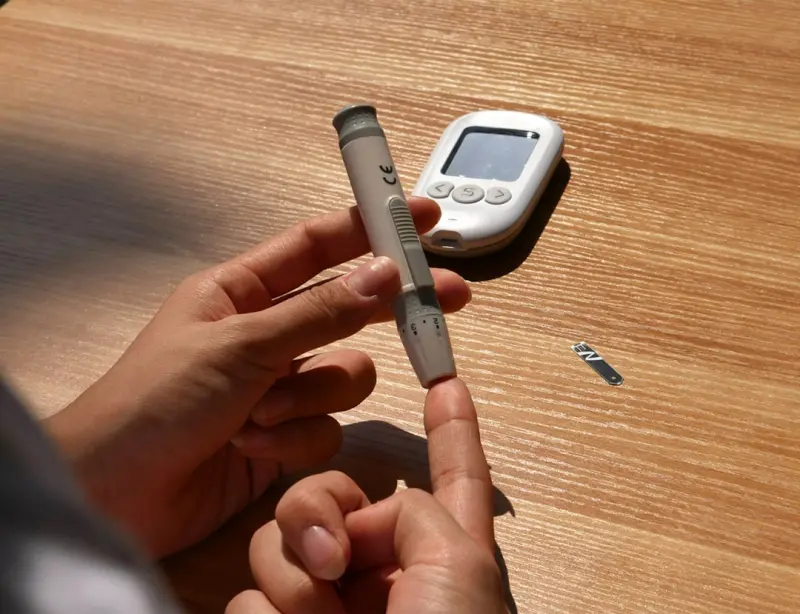
When I first started tracking my own glucose numbers, I expected the story to be all about carbs, insulin, and the occasional “cheat” meal. What I discovered instead was a sprawling network of daily choices—how I breathe, when I move, even the color of my dinner plate—that subtly nudged my blood sugar up or down. The result? A roadmap of tiny, sustainable habits that keep glucose levels humming like a well‑tuned piano, without the need for restrictive dieting or expensive gadgets.
Why Blood Sugar Fluctuations Matter (Even If You’re Not Diabetic)
Most people think blood sugar is only a concern for those with diabetes. In reality, every cell in our body relies on glucose as a primary fuel. When spikes and crashes become a daily rhythm, the consequences ripple out:
- Energy valleys: Mid‑day fatigue, brain fog, and irritability often trace back to a rapid post‑meal dip.
- Weight‑gain inertia: Insulin spikes encourage fat storage, especially around the midsection.
- Inflammatory cascade: Chronic hyperglycemia fuels low‑grade inflammation, a silent driver of heart disease, joint pain, and even mood disorders.
Understanding glucose as a daily performance metric—rather than a medical endpoint—shifts the conversation from “fixing a problem” to “optimizing a system.”
The Hidden Levers Beyond Diet
While carbohydrate quality and portion size are obvious levers, there are four less‑talked‑about forces that can swing glucose either way:
- Breathing patterns: Stress‑induced shallow breaths elevate cortisol, which in turn spikes blood sugar.
- Movement timing: A brief walk after a meal can blunt the glucose peak by up to 30%.
- Sleep architecture: Deep‑stage sleep supports growth hormone release, a natural insulin sensitizer.
- Mental load: Decision fatigue taxes the brain’s glucose supply, prompting the liver to release extra sugar.
By addressing these variables, you create a multi‑dimensional buffer that steadies glucose without obsessively counting carbs.
Meal Pairing Mastery: The Art of Balanced Plates
Think of a meal as a symphony. Carbs are the melody, but protein, fiber, and healthy fats provide the rhythm section that keeps the tune from spiraling out of control.
- Protein first, carbs second: Start with a palm‑sized portion of lean protein or plant‑based beans. This primes your stomach to release less insulin when carbs arrive.
- Fiber as the conductor: Aim for at least 5‑7 grams of soluble fiber per meal (think chia, oats, or psyllium). Fiber slows gastric emptying, smoothing the glucose curve.
- Healthy fats for the finish: A drizzle of olive oil, a handful of nuts, or avocado adds satiety and further tempers the post‑meal spike.
Here’s a quick reference plate:
| Component | Portion | Example |
|---|---|---|
| Protein | 3‑4 oz | Grilled chicken, tempeh, lentils |
| Fiber‑rich carbs | ½ cup cooked | Quinoa, sweet potato, berries |
| Healthy fat | 1‑2 Tbsp | Olive oil, tahini, nuts |
Smart Timing Without Timed Nutrition Strategies
Chrononutrition teaches us that the clock matters, but you don’t need a full‑blown eating‑window regimen to reap benefits. Simple timing tweaks can be enough:
- Breakfast within an hour of waking: Your body’s insulin sensitivity is highest in the morning; a balanced breakfast capitalizes on this natural window.
- Mid‑afternoon snack before the slump: A 10‑gram protein + 5‑gram fiber combo at 2 p.m. pre‑empts the 3‑p.m. dip that many experience.
- Evening carb cut‑off: Aim to finish most starchy carbs by 7 p.m., giving your body a chance to process glucose before sleep.
These adjustments are subtle, but over weeks they reshape your body’s “glucose rhythm” without the rigidity of a strict eating window.
Stress, Breath, and Glucose
Stress is a hidden glucose accelerator. The good news? Breathwork techniques that lower blood pressure also calm the hormonal surge that drives sugar spikes.
Try the 4‑7‑8 method during a post‑lunch slump:
- Inhale through the nose for 4 seconds.
- Hold the breath for 7 seconds.
- Exhale slowly through the mouth for 8 seconds.
- Repeat four times.
This simple practice reduces cortisol by up to 30% within minutes, letting insulin do its job without interference.
Movement Mini‑Sessions: The “Micro‑Workout” Advantage
High‑intensity intervals get a lot of hype, but for glucose control, consistency beats intensity. Here are three micro‑workouts you can sprinkle throughout the day:
- Desk‑side calf raises (30 seconds): Boosts circulation and encourages muscle glucose uptake.
- Stair‑climb bursts (2 minutes after each main meal): A quick stair sprint drops the post‑meal glucose peak by roughly 15%.
- Resistance band rows (1 set of 15 reps): Engages large back muscles that are efficient glucose burners.
These 5‑minute bursts are easier to schedule than a 45‑minute gym session, and they keep the metabolic engine humming.
Sleep and Hormone Sync
Sleep isn’t just downtime; it’s a hormone‑balancing laboratory. Deep‑stage sleep spikes growth hormone, which improves insulin sensitivity. Here’s a checklist for glucose‑friendly slumber:
- Dim the lights 90 minutes before bed to cue melatonin production.
- Limit caffeine after 2 p.m. Even a small cup can shift sleep architecture, raising morning cortisol.
- Keep the bedroom cool (≈65 °F) to encourage deep sleep cycles.
- Practice a brief gratitude journal—writing three positives reduces rumination, lowering nighttime stress hormones.
When you consistently hit 7‑9 hours of restorative sleep, your fasting glucose naturally drifts toward the optimal 70‑90 mg/dL range.
Tech Tools That Actually Help
Wearable glucose monitors have become more affordable, but data is only useful if you act on it. Pair your device with these practical steps:
- Set “alert zones” for spikes >130 mg/dL and drops <70 mg/dL, then log the associated activity or food.
- Use a simple spreadsheet to track trends, not individual readings. Look for patterns linked to stress, sleep, or specific meals.
- Integrate with habit‑tracking apps so a high glucose reading can trigger a reminder to do a breathwork session or a short walk.
Technology should be a coach, not a micromanager. The goal is to turn raw numbers into actionable habits.
Putting It All Together: A 7‑Day Blueprint
Below is a starter plan that weaves every element discussed into a single, repeatable week. Feel free to swap meals or timing to suit your lifestyle.
| Day | Morning | Mid‑Day | Evening |
|---|---|---|---|
| Monday | Protein‑rich oatmeal + 4‑7‑8 breathwork (5 min) | Grilled salmon salad + 10‑min stair burst after lunch | Veggie stir‑fry (low‑carb) + 30‑min screen‑free wind‑down |
| Tuesday | Greek yogurt, berries, chia + light stretch | Turkey wrap with avocado + desk‑side calf raises (30 sec) | Bean chili (moderate carbs) + gratitude journal |
| Wednesday | Scrambled eggs, spinach, whole‑grain toast + 4‑7‑8 | Quinoa bowl, roasted veggies, hummus + 2‑min post‑meal walk | Grilled chicken, roasted cauliflower + cool bedroom prep |
| Thursday | Smoothie (protein powder, kale, almond butter) + breathing | Shrimp salad + resistance band rows (1 set) | Stuffed peppers (low‑carb) + screen‑free reading |
| Friday | Overnight oats with flaxseed + 4‑7‑8 | Lean beef tacos (lettuce shells) + 10‑min stair burst | Salmon with asparagus + gratitude journal |
| Saturday | Protein pancakes + light yoga (10 min) | Veggie‑rich sushi rolls + desk‑side calf raises | Eggplant lasagna (no‑noodles) + cool bedroom routine |
| Sunday | Veggie omelet + 4‑7‑8 | Grilled tofu bowl + 2‑min post‑meal walk | Roasted chicken, mixed greens + screen‑free wind‑down |
Track your glucose trends throughout the week. You’ll likely notice smoother curves, fewer energy crashes, and a calmer mental state. The magic isn’t in any single meal; it’s the cumulative effect of consistent, small choices.
Beyond the Checklist: Cultivating a Glucose‑Friendly Mindset
Finally, remember that the goal is long‑term harmony, not perfection. Celebrate each successful breath, each walked mile, each balanced plate. When a slip happens—maybe a late‑night pizza slice—use it as data, not judgment. Adjust, learn, and keep the rhythm flowing.
In the grand orchestra of health, glucose is the steady beat that keeps everything in time. By tuning the instruments of breath, movement, sleep, and food pairing, you become the conductor of your own metabolic masterpiece.

Brandy Miller is a dynamic freelance writer based in the vibrant city of Cambridge, Ontario. With a passion for storytelling that knows no bounds, she crafts compelling narratives that captivate and inspire. Brandy’s love for writing shines through in her versatile work, whether she’s penning thought-provoking articles or engaging content that resonates with readers. Her unique perspective and friendly tone make her a sought-after voice in the writing community. When she’s not weaving words together, you can find her exploring the beautiful landscapes of Ontario, always seeking new adventures and inspiration for her next piece. Brandy is not just a writer; she’s a creative force, making her mark one word at a time.
Related Posts

Seasonal Strategies to Naturally Manage Blood Sugar
Brandy Miller shares a fresh, season‑based approach to blood sugar management, blending local prod... Read More

The Remote Work Blood Sugar Playbook
Discover a practical, data‑backed plan for remote workers to manage blood sugar through structured... Read More

Silent Signals: Leveraging Everyday Tech to Keep Your Blood Sugar in Check
Turn ordinary home and office tech into a silent partner for glucose stability—learn practical ste... Read More
Top Posts

Cultivating a Healthy Gut for Your Newborn: A Parent’s Practical Guide
A comprehensive guide for parents on building a thriving infant gut microbiome, covering breastfeeding, skin‑to‑skin contact, safe sunlight exposure, solidâ...Read More

Reframing Eating Disorders: From Moral Panic to Physiological Feedback
A new approach to eating disorders treats food as feedback, not a moral failing, by combining physiological insights, AI‑powered self‑tracking, and collabor...Read More

The Hidden Power of Lymphatic Flow: A New Frontier in Body Detox
A deep dive into the lymphatic system reveals simple, evidence‑backed practices—like rebounding, diaphragmatic breathing, and fermented foods—that turn yo...Read More

Why Your Liver Deserves a Wellness Upgrade Now
A personal, practical guide to liver wellness that shifts focus from avoidance to nourishment, blends gut health insights, digital‑detox tips, and smart use o...Read More
0 Comments
Post Comment
You will need to Login or Register to comment on this post!