
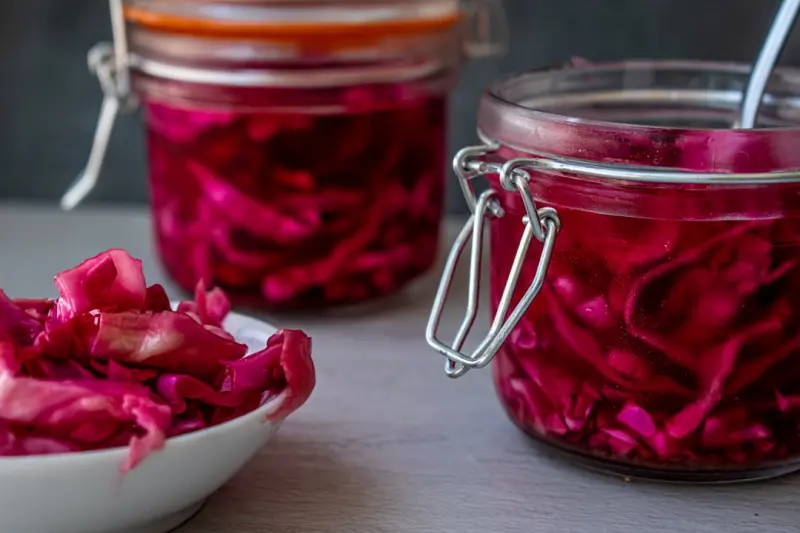
Why Fermentation Deserves a Spot on Your Daily Plate
Fermented foods are more than a trendy garnish; they are living ecosystems that deliver billions of beneficial microbes directly to your intestines, and each spoonful can act like a tiny workshop where your gut learns to break down complex fibers, synthesize vitamins, and modulate inflammation—all without you having to read a textbook on microbiology. When I first introduced a modest serving of kimchi into my lunch, I noticed a subtle shift in my afternoon energy, a steadier mood, and even a clearer complexion, which reminded me that the gut’s influence reaches far beyond digestion, touching skin health, hormonal balance, and the nervous system in ways that modern research is only beginning to map. Embracing fermentation is therefore a practical, tasty strategy to nurture a resilient microbiome, especially when paired with seasonal vegetables that provide the prebiotic fibers needed to fuel those friendly bacteria.
Soil‑Based Probiotics: The Underground Allies
While most commercial probiotic capsules boast strains that originated in dairy or isolated lab cultures, soil‑based probiotics (SBPs) come from the very earth that sustains plant life, offering a broader genetic diversity that can survive the acidic journey to your colon and interact with the immune cells lining the gut wall. My own experiment of sprinkling a pinch of raw, unpasteurized sauerkraut juice onto a morning smoothie revealed a noticeable reduction in bloating after a few weeks, suggesting that these hardy microbes can help restore the gut’s barrier function and keep opportunistic pathogens at bay. By incorporating SBPs through foods like raw miso, fermented pickles, or even a handful of responsibly sourced compost‑enhanced kefir grains, you provide your intestine with the deep‑rooted support it needs to maintain equilibrium amid the stresses of modern life.
Building a Prebiotic Pantry for Long‑Term Success
Prebiotics are the fuel that keeps your probiotic guests thriving, and they’re abundant in foods that many of us already enjoy, such as onions, garlic, leeks, and chicory root, all of which contain inulin and fructooligosaccharides that escape digestion and arrive intact for the microbes to feast upon. I’ve found that preparing a weekly batch of roasted root vegetables, seasoned with a drizzle of olive oil and a sprinkle of sea salt, not only simplifies dinner planning but also creates a steady supply of these essential fibers, turning every bite into a nurturing ritual for my gut flora. When paired with fermented staples, this symbiotic approach creates a self‑reinforcing loop where good bacteria proliferate, outcompete harmful strains, and produce short‑chain fatty acids that support intestinal lining health and systemic immunity.
Mindful Timing: When to Eat Fermented Foods for Maximum Impact
Chronobiology teaches us that the body’s digestive efficiency fluctuates throughout the day, and aligning fermented food consumption with peak gut activity can enhance microbial colonization and metabolite production; for most people, this window falls roughly between 10 a.m. and 2 p.m., when gastric acid levels are moderate and transit time is optimal. I experimented by swapping my mid‑afternoon coffee for a small glass of kefir and observed a smoother digestion of the subsequent lunch, along with a steadier blood sugar curve, a reminder that timing can be as crucial as the foods themselves. By treating fermented bites as a strategic “microbial snack,” you give your gut the best chance to integrate new strains and reap their anti‑inflammatory benefits throughout the day.
Connecting the Dots: Fermentation and the gut‑brain‑sugar connection
The relationship between gut microbes and mental clarity is a two‑way street; beneficial bacteria produce neurotransmitters like GABA and serotonin, which can lift mood and sharpen focus, while also influencing glucose metabolism that stabilizes energy levels. In my own routine, a daily spoonful of fermented almond yogurt has become a mental reset, reducing the afternoon slump and curbing cravings, a phenomenon likely tied to the production of short‑chain fatty acids that signal the brain to regulate appetite and stress responses. Recognizing this synergy empowers you to view fermented foods not just as culinary curiosities but as functional allies that support both cognitive performance and metabolic balance.
Seasonal Synergy: Pairing Ferments with seasonal detox Practices
Each season offers a distinct palette of vegetables, herbs, and fruits that can be transformed into probiotic‑rich condiments, and aligning your fermenting projects with these natural cycles amplifies the detoxifying power of both the foods and the microbes they host. For example, in the brisk fall months I create a hearty batch of carrot‑ginger kimchi, leveraging the anti‑oxidant properties of root vegetables to support liver function while the live cultures aid in breaking down toxins; in the summer, I turn cucumbers and wild herbs into quick pickles that hydrate and replenish electrolytes, all while delivering a probiotic punch. This seasonal approach not only keeps your palate excited but also ensures you’re feeding your gut with the freshest, most bioavailable nutrients available at any given time.
Practical Tips for Home Fermentation Success
Starting a fermentation habit doesn’t require a laboratory; a clean glass jar, a pinch of sea salt, and a handful of chopped veggies are enough to launch a thriving micro‑ecosystem, provided you respect temperature, oxygen exposure, and hygiene—key variables that determine whether beneficial bacteria dominate or unwanted molds take hold. My go‑to method involves submerging the vegetables under a brine of 2% salt, sealing the jar with a fermentation lid to release gas while keeping out contaminants, and storing it in a dark cupboard at 65–70°F for three to five days, checking daily for bubbles and a pleasant tangy aroma as signs of progress. By documenting each batch, adjusting salt ratios, and experimenting with flavor boosters like mustard seeds or dried chilies, you quickly develop a personalized library of gut‑friendly recipes that keep your microbiome diverse and adaptable.
Long‑Term Vision: Making Gut Health a Lifestyle, Not a Diet
True gut resilience emerges when fermented foods become a regular, enjoyable part of life rather than a short‑term fix, and this mindset shift encourages you to explore new cultures, share recipes with friends, and even involve children in the simple, tactile process of layering veggies and watching bubbles form—a hands‑on lesson in biology and nutrition. Over months, I’ve watched my digestion become more predictable, my skin clearer, and my mood steadier, all without obsessively counting calories or restricting foods, because the gut’s newfound balance naturally curtails cravings and supports a healthy weight. Embracing fermentation as a lifestyle invites you to celebrate the invisible ecosystem within, fostering a sense of partnership with the microbes that silently protect and empower you every day.

Sarah Gray is a proud Canadian who calls Brampton home, where she lives with her husband, Paul. A passionate home cook and gifted storyteller, Sarah loves creating delicious recipes and sharing stories inspired by everyday life, family, and cherished experiences. When she isn't experimenting in the kitchen, she's busy crafting engaging content that reflects her warmth, creativity, and love of connection. Above all, Sarah treasures time spent with her grandchildren, embracing every opportunity to create lasting memories with the people she loves most.
Related Posts
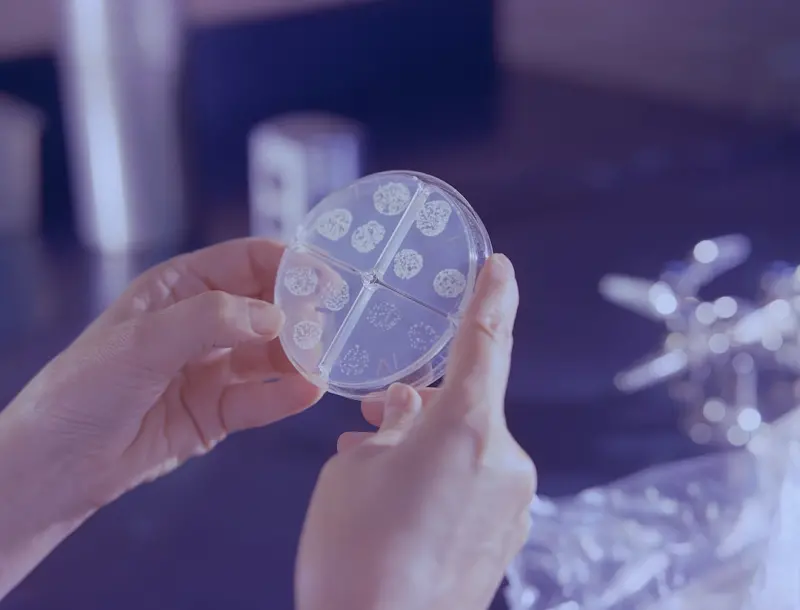
The Gut‑Brain Edge: Microbiome Hacks for Sharper Focus and Creative Power at Work
Explore how a thriving microbiome can enhance mental performance, reduce stress, and become a compet... Read More

Why Your Gut is the Silent CEO of Your Business Decisions
Your gut isn’t just a digestive organ—it’s a strategic partner influencing risk tolerance, cre... Read More
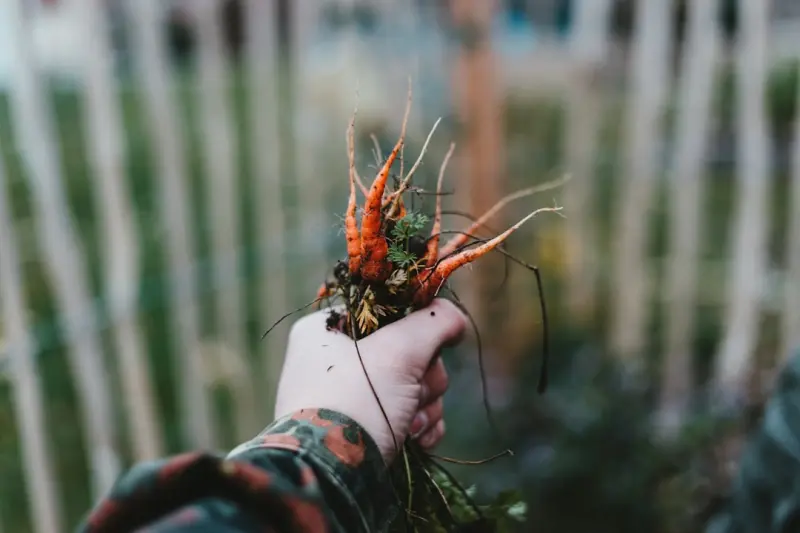
Cultivating a Resilient Gut Through Seasonal Food Cycling
A practical guide to rotating botanical food families every few weeks, integrating fermented staples... Read More
Top Posts

When Cancer Meets Narrative: How Storytelling Becomes a Healing Tool
Storytelling isn’t just art—it’s a powerful therapeutic tool for cancer patients. Learn how narrative medicine reshapes treatment, boosts resilience, and ...Read More

Storytelling as a Secret Therapy: Rewriting Anxiety Through Narrative Play
Tammy French explores the science behind narrative play, offering a step‑by‑step framework for using storytelling to calm anxiety, strengthen brain pathways...Read More

Wearable Tech Meets Physiotherapy: Crafting Data‑Driven Rehab Plans
Explore the rise of wearable technology in physiotherapy, from real‑time movement tracking to AI‑powered rehab plans, and learn how data‑driven care accel...Read More

Health Insurance as Your Hidden Performance Lever
Learn how to treat health insurance as a strategic asset, leveraging preventive care, telehealth, and wellness perks to boost productivity and safeguard your pr...Read More
0 Comments
Post Comment
You will need to Login or Register to comment on this post!