

Why Traditional Stretching Isn’t Enough Anymore
When I first stepped into a clinic fresh out of college, the mantra was simple: stretch, strengthen, repeat. Decades later, the conversation has shifted. Our bodies are no longer confined to the occasional gym visit or the occasional physiotherapy appointment; they’re glued to screens, crammed into ergonomic chairs, and moving in micro‑bursts that never quite add up to a true workout. The result? A surge in chronic musculoskeletal complaints that don’t respond to the classic “stretch‑and‑hold” routine.
The Sedentary Epidemic Meets Modern Physio
Office workers, remote‑team members, and even gig‑economy drivers spend upwards of eight hours a day in static postures. The cumulative load on the cervical spine, lumbar region, and even the wrists is staggering. Yet, most physiotherapy practices still rely on static assessments and prescribed home‑exercise sheets that assume patients have the time, motivation, and space to follow through.
Enter the era of dynamic, data‑driven, and immersive rehabilitation. By leveraging technology that was once the domain of gamers and aerospace engineers, we can finally meet patients where they live—on their couches, in their home offices, and even while they’re on the move.
Virtual Reality: The New Rehab Playground
Imagine slipping on a headset and finding yourself on a sun‑lit beach, where each wave you catch requires precise shoulder rotation, or navigating a futuristic obstacle course that demands coordinated lower‑body stability. That’s not a sci‑fi fantasy; it’s the reality of designing workspaces that double as therapeutic environments.
VR‑based physiotherapy offers several advantages:
- Immediate Feedback: Sensors track joint angles, force output, and movement quality in real time, allowing clinicians to adjust protocols on the fly.
- Engagement: Gamified scenarios keep patients motivated. A 15‑minute VR session often feels like a quick adventure, not a chore.
- Safety: Virtual environments can simulate challenging movements without the risk of real‑world injury, thanks to built‑in motion constraints.
Early studies show that VR‑augmented rehab can accelerate functional recovery by up to 30% compared with conventional exercises, especially for post‑operative shoulder and knee patients. The technology also shines for neurological conditions—stroke survivors, for example, benefit from repetitive, task‑specific training that feels less clinical and more playful.
Micro‑Movements: Tiny Actions, Big Outcomes
While VR captures imagination, the power of tiny, intentional movements lies in its accessibility. Think of the “micro‑stretch” you do while waiting for a Zoom to load or the subtle ankle rotations you perform during a coffee break. Research now suggests that integrating these micro‑movements throughout the day can counteract the deleterious effects of prolonged sitting.
Here’s how to incorporate them intelligently:
- Identify Natural Breakpoints: Every 30‑45 minutes, set a gentle reminder to stand, roll shoulders, and flex the spine.
- Use Wearable Data: Devices that monitor posture and movement can nudge you when you’ve been static for too long.
- Anchor to Routine Tasks: Pair a micro‑movement with a habitual action—e.g., calf raises while the kettle boils.
The cumulative effect is comparable to a 20‑minute low‑intensity workout, but spread across the day, making it far more sustainable for busy professionals.
Data‑First Personalization: Turning Numbers Into Healing
Physiotherapy has long been an art—observations, manual palpation, and patient storytelling. Yet, the why health insurance needs a data‑first makeover movement is spilling into our clinics. By capturing movement metrics, pain scores, and even sleep quality, we can craft treatment plans that evolve in real time.
Key components of a data‑centric approach include:
- Baseline Motion Capture: Using depth cameras or smartphone apps to record a patient’s movement patterns.
- Progressive Load Tracking: Documenting the weight, resistance, and repetitions a patient can handle each week.
- Outcome Analytics: Correlating changes in range of motion with patient‑reported outcome measures (PROMs) to fine‑tune interventions.
When patients see objective graphs that illustrate their improvements, adherence spikes. Moreover, clinicians can justify insurance claims with quantifiable progress—closing the loop between care delivery and reimbursement.
Playful Curiosity: The Secret Sauce of Modern Rehab
We often hear that “play is the highest form of research.” In physiotherapy, this translates to exploring movement in ways that feel less like therapy and more like discovery. The playful curiosity mindset encourages patients to experiment with motion, ask “what if?” and celebrate small victories.
Practical ways to embed play:
- Movement Challenges: Weekly “balance‑on‑one‑leg” or “wall‑slide” contests that foster friendly competition.
- Creative Props: Using everyday objects—like a rolled towel for thoracic extensions—to turn the mundane into novel.
- Story‑Driven Goals: Framing rehab milestones as chapters in a personal narrative (“today I conquer the stair‑climb boss level”).
When patients approach rehab with curiosity, neuroplasticity is amplified. The brain, eager for novelty, forms stronger motor pathways, accelerating recovery.
Breaking Down Insurance Barriers
Even the most cutting‑edge interventions fall flat if patients can’t afford them. Traditional insurance models often categorize physiotherapy as a “once‑a‑week” service, ignoring the frequency needed for modern, tech‑enabled protocols. By presenting data‑driven outcomes—like the percentage reduction in pain scores or functional gains captured through wearable analytics—clinicians can advocate for broader coverage.
Tips for navigating insurance:
- Document Quantifiable Progress: Use graphs and charts to demonstrate measurable improvements.
- Leverage Tele‑Rehab Policies: Many insurers are expanding virtual visit allowances; capitalize on them for VR or remote monitoring sessions.
- Educate Patients: Provide a clear, jargon‑free summary of why a prescribed frequency or technology is medically necessary.
When patients become informed advocates, insurers are more likely to adapt policies, paving the way for sustainable, high‑quality care.
The Future: Hybrid Rehab Ecosystems
Looking ahead, the ideal physiotherapy experience will blend in‑clinic expertise with at‑home autonomy. Picture a scenario where a therapist designs a VR adventure, syncs it with a wearable that streams real‑time data to a cloud dashboard, and the patient receives instant feedback via a smartphone app. The therapist then reviews aggregated data, adjusts the difficulty, and schedules a brief in‑person check‑in to fine‑tune manual techniques.
This hybrid model promises:
- Reduced travel time and missed workdays.
- Higher adherence through gamified micro‑movement prompts.
- Scalable care that can reach underserved communities via affordable VR kits and smartphones.
As we embrace these innovations, the core of physiotherapy—restoring function, reducing pain, and empowering movement—remains unchanged. What evolves is how we deliver it: smarter, more engaging, and deeply personalized.
Takeaway: Your Body Deserves a Tech‑Savvy Ally
If you’ve ever felt that your physiotherapy sessions were “one‑size‑fits‑all,” you’re not alone. The field is undergoing a renaissance, fueled by virtual reality, data analytics, and the timeless power of curiosity. Whether you’re a busy professional, a remote worker, or someone recovering from injury, you now have tools that fit seamlessly into your daily rhythm.
Start small: set a micro‑movement reminder, explore a free VR rehab app, and talk to your therapist about integrating data tracking into your plan. Your future self will thank you for turning a once‑static routine into a dynamic, enjoyable journey toward optimal movement.

Becky Putman is an Ottawa-based freelance writer and marketing professional with a passion for storytelling, animals, and community involvement. She enjoys creating engaging content that informs, inspires, and connects with readers.
Related Posts
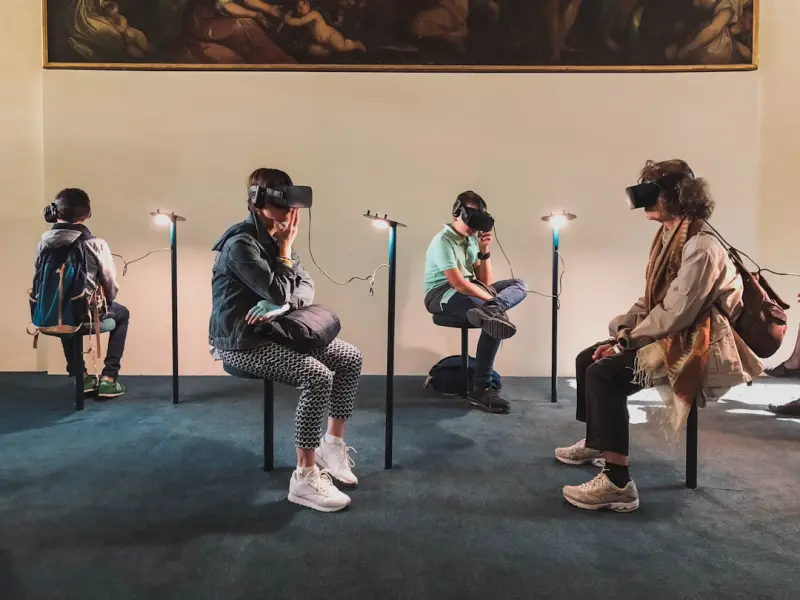
When Rehab Meets Gaming: Virtual Reality’s Transformative Role in Physiotherapy
Virtual reality is turning traditional physiotherapy on its head by providing immersive, data‑rich... Read More

Remote Work Rehab: Physiotherapy Strategies for the Home Office
A practical guide for remote professionals that blends physiotherapy expertise with everyday movemen... Read More
Beyond the Clinic: How Digital Tools Are Revolutionizing Physiotherapy
Deb Roberts shares her firsthand experience integrating tele‑physio, wearables, virtual reality, a... Read More
Top Posts

Living Through Sleep Terrors: A Holistic Blueprint for Nighttime Peace
Paul Gray shares his personal journey from night‑time panic to restorative sleep, offering a holistic blueprint that merges nutrition, movement, and emotional...Read More

The Hidden Levers of Blood Pressure: How Your Workspace, Air, and Schedule Shape Your Numbers
Explore the unseen factors—office climate, nutrition rhythm, and mental decision load—that influence blood pressure, and get a practical 7‑day blueprint t...Read More

When the Dark Calls: Turning Insomnia Into a Nighttime Reset
A fresh perspective on insomnia treats sleeplessness as a signal, not a flaw. Learn practical steps—temperature tweaks, 4‑7‑8 breathing, and tiny night‑...Read More
The Unseen Cost of Constant Connectivity: Reclaiming Mental Space in a Hyper‑Digital World
Constant notifications hijack our brain’s reward system, leading to anxiety and reduced focus. This post reveals micro‑rituals, digital‑workspace design, ...Read More
0 Comments
Post Comment
You will need to Login or Register to comment on this post!