
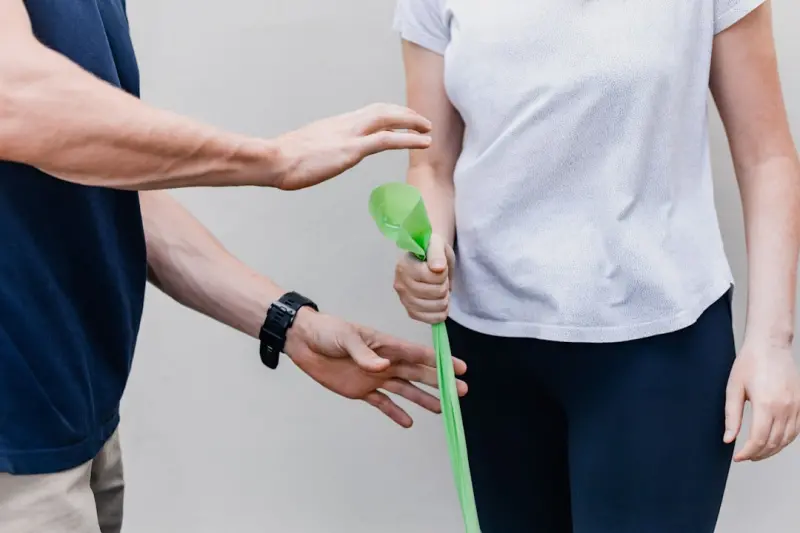
The Rise of Tele‑Physio: From Niche to Necessity
When I first started offering virtual sessions during a particularly busy season, I thought I was just filling gaps in my schedule. What I didn’t anticipate was the seismic shift that would ripple through the entire physiotherapy landscape. Tele‑physio is no longer a stop‑gap; it’s becoming a primary avenue for delivering care, especially for patients who juggle remote work, caregiving duties, or live far from specialty clinics.
In my practice, the transition forced me to ask tough questions: How can I maintain the hands‑on intuition that defines my work when I’m behind a screen? What tools can replicate the tactile cues that guide a patient’s movement? And most importantly, how do I keep the therapeutic alliance strong when the handshake is replaced by a pixelated smile?
The answers lie in a blend of technology, creativity, and a renewed focus on patient education. By leveraging video platforms, secure messaging, and digital assessment tools, I can now watch a patient’s gait in real‑time, annotate their movement, and even record short clips for later review. This “always‑on” observation model not only expands my reach but also creates a richer data set that fuels more personalized treatment plans.
Wearables: Real‑Time Biofeedback in the Palm of Your Hand
One of the most exciting developments in recent years is the proliferation of wearable sensors that capture biomechanical data with clinical precision. From smart knee braces that monitor joint angles to adhesive patches that track muscle activation, these devices turn the patient’s body into a living dashboard.
In my own sessions, I’ve started pairing a simple inertial measurement unit (IMU) with a mobile app that streams data directly to my laptop. The moment a patient performs a squat, I see a live graph of hip, knee, and ankle angles. If the knee caves inward—a classic sign of valgus collapse—I can instantly cue a correction, watch the adjustment happen, and log the improvement for future reference.
This level of feedback does two things. First, it empowers patients to become active participants in their recovery; they can see the numbers themselves, turning abstract advice into concrete evidence. Second, it provides objective metrics that can be shared with insurers or other healthcare providers, reinforcing the value of physiotherapy in a data‑driven world.
For clinicians wary of the learning curve, start small. A basic heart‑rate monitor paired with a breathing app can already highlight patterns of overexertion. As you grow comfortable, layer in more sophisticated sensors. The key is to integrate the data seamlessly into the therapeutic conversation, not let it dominate the dialogue.
Virtual Reality: Immersive Motor Retraining
When I first tried a VR headset in a pilot program for post‑stroke patients, the skepticism in the room was palpable. “How can a video game replace a therapist’s touch?” a colleague asked. The answer unfolded in the next thirty minutes as a patient, eyes wide behind the headset, navigated a virtual garden, reaching for floating fruit while maintaining balance on a simulated wobble board.
VR does more than distract; it creates a controlled environment where variables—speed, resistance, visual cues—can be tweaked in milliseconds. For patients with vestibular dysfunction, a gently rotating visual field can safely challenge their balance systems, prompting neuroplastic adaptation that would be difficult to achieve on a static clinic floor.
From a clinical standpoint, the biggest advantage is the ability to capture granular performance metrics. The system records reach distance, reaction time, and postural sway with millimeter precision. I can then compare these numbers across sessions, celebrate incremental gains, and adjust the difficulty curve in real time.
Cost has been a barrier historically, but today’s consumer‑grade headsets are affordable, and many health systems are negotiating bulk licenses. The real investment is in training clinicians to design therapeutic “levels” that align with evidence‑based protocols rather than generic game objectives.
Gamified Home Exercise: Turning Repetitions into Rewards
Compliance with home exercise programs has long been the Achilles’ heel of physiotherapy. I’ve watched patients abandon their routines because the exercises felt tedious, or because they lacked immediate feedback on whether they were doing them correctly.
Enter gamification. By pairing a simple mobile app with a set of resistance bands embedded with motion sensors, patients receive points, streaks, and virtual badges for each correctly performed rep. The app also offers a “coach” voice that cues form adjustments, ensuring that the game mechanics never compromise safety.
In practice, I’ve seen a 30% increase in adherence among patients who use the gamified approach versus traditional paper handouts. Moreover, the data captured by the app—duration, range of motion, rest intervals—feeds directly back into my clinical notes, allowing me to fine‑tune the program without a follow‑up visit.
For those skeptical of “gaming” in a clinical setting, think of it as a behavioral economics tool: the immediate reward of a badge or level unlock serves the same function as a dopamine hit, reinforcing the habit loop that leads to long‑term recovery.
Integrating Mind‑Body Practices: Breath, Posture, and Awareness
While technology is reshaping the mechanics of physiotherapy, I’ve never lost sight of the fact that the body’s nervous system is the ultimate regulator of movement. Simple breathwork, mindfulness, and postural awareness can amplify the benefits of any high‑tech intervention.
For example, teaching a patient to coordinate diaphragmatic breathing with core activation can dramatically improve lumbar stability during functional lifts. I often start a session with a five‑minute guided breath sequence, then transition into a movement drill, reminding the patient to “breathe into the belly, tighten the transverse abdominis.” The result is a more efficient motor pattern that sticks longer.
Mindfulness also plays a crucial role in chronic pain management. By encouraging patients to notice the subtle sensations of tension without judgment, they learn to decouple the emotional distress that often amplifies the pain signal. This approach dovetails nicely with the data‑rich feedback loops of wearables; a patient can see how their heart‑rate variability improves as they practice mindful movement.
Practical Tips for Clinicians Ready to Embrace the Digital Wave
- Start with a single tool. Whether it’s a basic wearable or a tele‑health platform, master one technology before adding another.
- Blend data with dialogue. Use numbers to inform conversation, not replace it. Explain what a spike in joint angle variability means for the patient’s daily activities.
- Maintain the human touch. Even in a virtual session, pause to ask about the patient’s day, their stressors, and celebrate non‑clinical victories.
- Secure patient data. Choose platforms that are HIPAA‑compliant and clearly communicate privacy policies to build trust.
- Leverage existing resources. For those looking to expand coverage, consider the preventive wellness coverage options that many insurers now offer for remote physiotherapy services.
- Encourage self‑exploration. Direct patients to reputable home strength labs where they can safely experiment with progressive overload under remote supervision.
Looking Ahead: The Future Landscape of Physiotherapy
Imagine a world where a patient’s smartwatch detects a subtle gait deviation the moment they step out of bed, automatically schedules a virtual check‑in, and streams the data to their therapist’s dashboard. Picture a rehabilitation center where VR simulations replace bulky equipment, and gamified platforms turn every exercise into a story-driven quest.
These scenarios are not science fiction; they’re emerging prototypes in forward‑thinking clinics. As clinicians, our role is to act as curators of this technology—selecting tools that enhance, not replace, the therapeutic relationship. By staying curious, investing in continuous learning, and keeping the patient’s lived experience at the forefront, we can ensure that physiotherapy remains a dynamic, patient‑centered discipline.
In the end, the most powerful tool in our arsenal is still our ability to listen, adapt, and inspire. Technology amplifies that ability, turning the ordinary clinic into a hub of innovation where recovery is not just a goal but a shared journey.

Deb Roberts is a freelancer who writes on various subjects, bringing versatility and depth to her work. Alongside her broad writing expertise, she has a special passion for horses.
Related Posts
Reimagining Physiotherapy: How Virtual Care is Transforming Rehab
Explore the rise of virtual physiotherapy, its scientific foundations, habit‑based strategies, and... Read More

Immersive Physiotherapy: How VR Is Redefining Rehab for Real‑World Recovery
Virtual reality is turning physiotherapy into an engaging, data‑rich experience that bridges the c... Read More

Remote Work Rehab: Physiotherapy Strategies for the Home Office
A practical guide for remote professionals that blends physiotherapy expertise with everyday movemen... Read More
Top Posts

Tiny Daily Hacks to Tame Blood Pressure Without Changing Your Life
Learn how brief breath‑sync breaks, timed hydration, posture pulses, and other micro‑adjustments can naturally stabilize blood pressure while fitting seamle...Read More

The Importance of Health Insurance in Maintaining Overall Well-being
Health insurance plays a vital role in maintaining overall well-being, providing financial protection, access to quality healthcare, and promoting holistic well...Read More

Nutrition and Overall Wellbeing: A Holistic Approach
Nutrition plays a critical role in maintaining overall wellbeing. Learn how a holistic approach to nutrition can have a positive impact on both physical and men...Read More

The Brain‑Boosting Power of Plant Polyphenols: A Culinary Chemistry Guide
Learn to turn everyday meals into brain‑fueling powerhouses by mastering polyphenol sources, cooking methods, and timing for optimal cognitive health....Read More
0 Comments
Post Comment
You will need to Login or Register to comment on this post!