

Remote Work Rehab: Physiotherapy Strategies for the Home Office
When I first swapped my commuter‑style desk for a couch‑corner workstation, I thought the biggest challenge would be staying focused. What I didn’t anticipate was the silent invasion of tension in my neck, the ache that settled into my lower back after a day of video calls, and the creeping fatigue that no amount of coffee could shake off. As a physiotherapist who has spent years in bustling clinics, I’ve learned that the body speaks loudly when it’s forced into unfamiliar postures for prolonged periods. The rise of remote work isn’t just a shift in where we log in; it’s a reshaping of how our musculoskeletal system functions day‑to‑day.
This post is a deep dive into the often‑overlooked ergonomics of the home office, why standard “stand‑up and stretch” reminders fall short, and how physiotherapy can become a proactive partner—not a reactive band‑aid—to help remote professionals not only survive but thrive.
The Unseen Cost of the Home Office
Remote work has granted us flexibility, but it has also blurred the boundaries between work and rest. A study I recently consulted highlighted that remote employees are 30 % more likely to report neck or shoulder discomfort compared to those in traditional office settings. The culprits are familiar:
- Improvised Workstations: Dining tables, kitchen counters, or even beds become makeshift desks, often lacking proper height or support.
- Static Postures: Long stretches of sitting—or the opposite, prolonged standing—without the micro‑movements that an office environment naturally provides.
- Visual Strain: Screens at eye level are a luxury; many workers position laptops too low, prompting forward head posture.
- Psychological Load: The mental pressure to be “always on” often translates into muscle tension, especially in the upper trapezius and lumbar region.
When these factors combine, they create a perfect storm for repetitive‑strain injuries, disc irritation, and even early onset of degenerative changes. The good news? Physiotherapy offers tools that can dismantle this storm piece by piece.
Why Generic Breaks Miss the Mark
Most productivity apps now flash a reminder: “Take a 5‑minute break.” While well‑intentioned, these breaks are usually vague. Without guidance, employees might scroll social media, sip coffee, or stare out the window—none of which address the specific muscular imbalances that have built up.
Effective physiotherapy‑driven breaks are targeted. They involve:
- Movement Re‑education: Small, purposeful motions that reset joint alignment.
- Breathing Integration: Diaphragmatic breathing that releases thoracic tension.
- Postural Cueing: Real‑time reminders to open the chest and retract the scapulae.
In practice, a 3‑minute “reset” can be more restorative than a 10‑minute idle pause.
Physiotherapy’s Toolbox for Remote Workers
Here’s how the core pillars of physiotherapy translate into a home‑office context:
1. Movement Prescription
Rather than generic stretching, physiotherapists design motor control exercises that train the nervous system to engage stabilising muscles. Think of seated scapular retractions, thoracic extensions over a foam roller, and hip flexor mobilisations that can be performed while waiting for a Zoom call to connect.
2. Manual Techniques (Adapted)
While you can’t expect a hands‑on session every day, you can learn self‑myofascial release with simple tools: a tennis ball for the upper back, a lacrosse ball for gluteal knots, or a handheld roller for the forearms. Guided video sessions help ensure you’re applying the right pressure and direction.
3. Education & Self‑Management
Knowledge is empowerment. Understanding the biomechanics of a slouched spine or the role of the core in protecting the lumbar region equips you to make micro‑adjustments throughout the day.
4. Pain Science Coaching
Chronic discomfort often becomes a mental habit. Physiotherapy incorporates pain neuroscience education, helping you reinterpret “pain signals” as warnings rather than damage, which can reduce catastrophising and improve movement confidence.
Building a Remote‑Friendly Physiotherapy Routine
Below is a practical, eight‑step routine you can embed into a typical workday. No fancy equipment required—just a chair, a wall, and a few minutes of intention.
- Morning Alignment Check (2 min): Sit tall, feet flat, knees at 90°. Gently tuck the chin, lift the sternum, and roll the shoulders back. Feel the lengthening of the spine.
- Hip Flexor Mobilisation (1 min): Stand, place one foot behind you on a low step, gently shift your hips forward until you feel a stretch in the front of the back thigh. Hold for 30 seconds, switch sides.
- Thoracic Extension Over a Book (2 min): Lay a firm book or rolled towel horizontally across your upper back, support your head, and gently arch over it. This opens the chest and counters forward head posture.
- Scapular Retraction Series (1 min): While seated, pull elbows back, pinch shoulder blades together, hold for 5 seconds, repeat 10 times.
- Desk‑Side Glute Bridge (1 min): Stand behind your chair, place hands on the backrest for support, lift hips into a bridge, squeeze glutes, lower. Perform 12 repetitions.
- Wrist & Forearm Release (1 min): Using a tennis ball, roll the forearms against a wall to alleviate typing‑induced tension.
- Diaphragmatic Breathing Reset (1 min): Sit comfortably, inhale deeply through the nose, allowing the belly to expand, exhale slowly through pursed lips. Repeat five cycles.
- Evening Wind‑Down (2 min): Gentle cat‑cow stretches on a mat or carpet, focusing on fluid spinal movement.
Repeating this sequence two or three times a day creates a rhythm that keeps your body “in conversation” with its needs, preventing the silent buildup of strain.
Technology Meets Physiotherapy: Telehealth & Wearables
Remote work already relies on digital tools; physiotherapy can seamlessly integrate into that ecosystem. Here are two ways to amplify your home‑office rehab:
Telehealth Sessions
Live video appointments let a clinician assess your workstation, observe movement patterns, and prescribe tailored exercises—all from the comfort of your couch. The convenience removes the friction of commuting to a clinic, increasing adherence.
Wearable Feedback
Devices that monitor posture, such as smart shirts or neck‑mounted sensors, give real‑time vibratory cues when you slouch. Coupled with physiotherapy education, these nudges become powerful habit‑forming tools. For a deeper dive into how innovative health tech can support daily habits, explore our piece on innovative health tech.
When you combine telehealth guidance with wearable alerts, you create a feedback loop that mirrors the hands‑on experience of a clinic, but with the flexibility of a remote environment.
Case Study: From “Desk‑Bound” to “Desk‑Confident”
Meet Maya, a senior graphic designer who transitioned to full‑time remote work after a company restructure. Within weeks, she reported persistent neck pain, headaches, and reduced focus. A telehealth physiotherapy assessment revealed:
- Excessive forward head posture (cranio‑vertebral angle < 45°).
- Weak deep cervical flexors and overactive upper trapezius.
- Limited thoracic rotation due to prolonged sitting.
Over a six‑week program, Maya incorporated the eight‑step routine above, performed weekly virtual check‑ins, and used a posture‑monitoring band. By the end of the period, she reported a 70 % reduction in pain, improved concentration, and a newfound confidence to take movement‑focused breaks without feeling “unproductive.”
Getting Employer Buy‑In
Organizations are beginning to recognise that employee health directly impacts performance. To embed physiotherapy into a corporate wellness strategy:
- Present Data: Share statistics linking ergonomic injuries to lost work hours and healthcare costs.
- Offer Pilot Programs: Provide a limited‑time tele‑physiotherapy service for a small team, track outcomes, and showcase improvements.
- Integrate Into Existing Platforms: If your company already uses a wellness app, add physiotherapy modules or push notifications for micro‑movement breaks.
- Educate Managers: Train leaders to recognise signs of musculoskeletal strain and encourage open dialogue about physical health.
When leadership sees tangible ROI—reduced absenteeism, higher engagement—they become champions for long‑term physiotherapy integration.
Beyond the Desk: Extending Physiotherapy to Everyday Life
While the home office is the focal point, the principles you adopt there spill over into other parts of your day. For example, the same thoracic mobility exercises improve your range of motion while gardening, and the breathing techniques enhance stress management during evening family time.
Consider this: a brief movement break before a virtual meeting can serve as a mental reset, sharpening focus and creativity. Over time, these micro‑adjustments accumulate, leading to a healthier, more resilient body—and a sharper mind.
Conclusion: Make Physiotherapy Your Remote Work Superpower
The shift to remote work is here to stay, but the accompanying musculoskeletal challenges don’t have to be an inevitable side‑effect. By embracing physiotherapy’s evidence‑based strategies—targeted movement, self‑release techniques, education, and technology—you can transform your home office from a source of strain into a space of strength.
Remember, the goal isn’t to “fix” pain after it appears; it’s to build a proactive system that anticipates stressors, corrects imbalances, and keeps you moving forward with confidence. Your next productive day starts with a conscious breath, a subtle shoulder squeeze, and the knowledge that you’ve got a physiotherapy‑backed plan in place.
Ready to explore how movement can reshape your remote work experience? Dive deeper into the relationship between outdoor activity and overall performance by checking out outdoor movement benefits. And if you’re curious about leveraging cutting‑edge health technology to support your routine, our article on space design for health offers fresh ideas.

Jessica Hall is a dynamic freelance writer based in the vibrant city of London, Ontario. As a dedicated single mom, she expertly juggles the demands of parenthood with her passion for storytelling, crafting compelling narratives that resonate with readers. With a background in retail, Jessica brings a unique perspective to her writing, infusing her work with insights drawn from her experiences
Related Posts
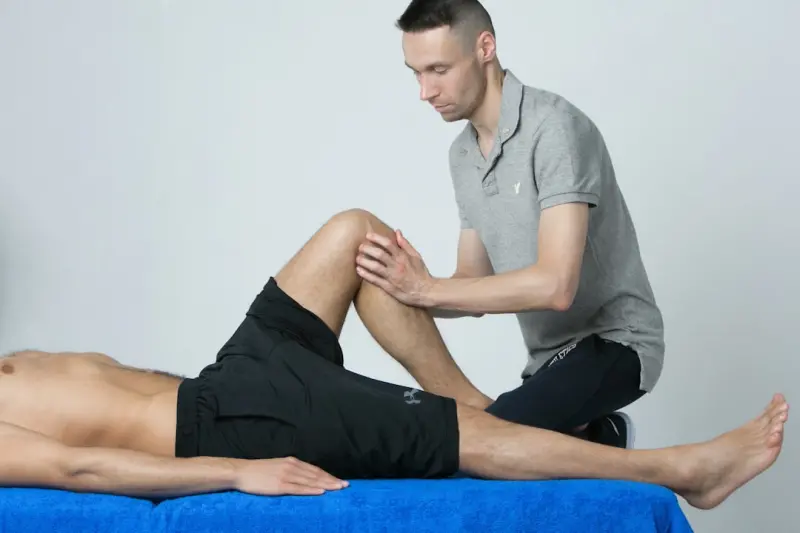
Rewiring Movement: How Modern Physiotherapy Empowers Desk‑Bound Professionals
This article explores a fresh physiotherapy framework that blends movement literacy, neuro‑muscula... Read More

The Intersection of Physiotherapy and Mental Health: A Comprehensive Approach
Physiotherapy and mental health are closely linked. A comprehensive approach to physiotherapy consid... Read More

The Intersection of Physiotherapy and Mental Health: A Holistic Approach
Explore the intersection of physiotherapy and mental health, and learn how a holistic approach can l... Read More
Top Posts

Light, Stress, and the Silent Surge: Rethinking Autoimmune Triggers in the Modern Age
This article uncovers hidden autoimmune triggers—from ambient light and timing of stress to wearable data—offering a 7‑day reset plan and a glimpse into A...Read More

From Soil to Stomach: Reimagining Gut Health Through Home Gardening
Explore a hands‑on approach to gut wellness by connecting soil‑based foods, DIY fermentation, and mindful habits, offering a fresh, actionable path to a hea...Read More
Reframing Prediabetes: A Data‑Driven, Human‑Centric Playbook
A comprehensive guide that blends continuous glucose monitoring, micro‑habits, workplace design, and preventive insurance benefits to empower individuals to r...Read More

Trending Body Detox: Kelly Reynolds’ Fresh Take on Resetting Your System
Kelly Reynolds shares a modern, science‑backed detox roadmap, blending nutrition, movement, and mindset to cleanse and energize your body in just a week....Read More
0 Comments
Post Comment
You will need to Login or Register to comment on this post!