
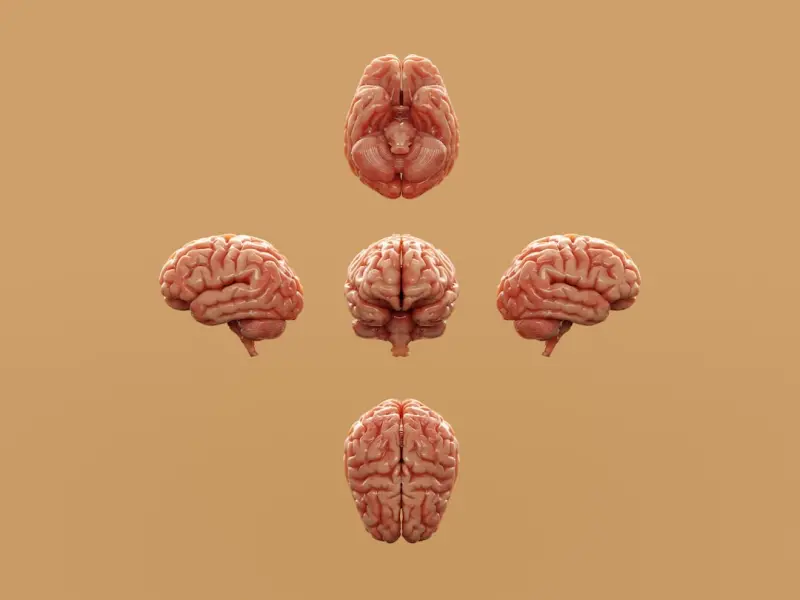
Playful Curiosity: The Unexpected Engine of Brain Health
When I first stepped into a bustling co‑working hub, I was struck not by the sleek desks or the ambient lighting, but by the subtle hum of spontaneous conversation—people sharing a surprising fact, debating a quirky hypothesis, or simply asking “what if?” That moment reminded me that our brains thrive on the very thing many of us try to suppress in the name of productivity: playful curiosity. In a world that celebrates efficiency, the act of wandering mentally, asking questions for the sheer joy of it, and allowing ourselves to be a little ridiculous can be the most powerful antidote to cognitive decline.
Why Curiosity Matters More Than We Think
Neuroscience tells us that curiosity triggers the release of dopamine, the same neurotransmitter that lights up our reward pathways when we eat chocolate or achieve a goal. But dopamine does more than make us feel good; it enhances neuroplasticity—the brain’s ability to rewire itself in response to new experiences. When we explore a novel topic or challenge a familiar assumption, we essentially give our neurons a workout, encouraging the formation of fresh synaptic connections.
Unfortunately, modern work cultures often mistake constant busyness for mental sharpness. The pressure to always be on can lead to a rigid, task‑oriented mindset where there’s little room for the “why” behind the “what.” This is where intentional curiosity steps in, acting as a mental stretch routine that counteracts the stiffness of repetitive tasks.
Three Simple Practices to Infuse Curiosity Into Your Day
- Micro‑Explorations: Allocate five minutes each hour to dive into a topic unrelated to your current project. It could be a quick read about deep‑sea bioluminescence, a short video on ancient architecture, or a quirky scientific fact you’ve never heard before. The key is brevity and surprise.
- Question‑Swap Sessions: Pair up with a colleague and spend ten minutes swapping “what if” scenarios. One might ask, “What if our product could sense user emotions?” The other could counter with, “What if we redesigned our onboarding to be a game?” These sessions spark lateral thinking and keep the brain’s default mode network active.
- Sensory Reframing: Engage a different sense while working. For instance, try listening to ambient sounds from a rainforest while brainstorming, or place a scented candle with rosemary (known for its memory‑boosting properties) nearby. This multi‑sensory approach nudges the brain into a more exploratory state.
Incorporating these habits doesn’t require a massive overhaul of your schedule; they are tiny, intentional nudges that accumulate into a robust cognitive fitness regimen.
Playful Learning in the Remote Era
Remote work, once seen as a threat to collaboration, actually offers a fertile ground for curiosity‑driven learning. When you’re not tethered to a physical office, you have the freedom to curate your own environment. You can set up a “knowledge nook”—a corner with books, whiteboards, and quirky memorabilia that invites you to pause and ponder.
But there’s a hidden challenge: the digital fatigue that comes from endless video calls and email threads. To combat this, I’ve adopted a practice I call the strategic offline time. Every few hours, I step away from the screen, close my laptop, and engage in a tactile activity—sketching, juggling a stress ball, or simply watching a cloud drift. This deliberate break not only restores visual acuity but also resets the brain’s attentional circuitry, making space for curiosity to surface when you return.
The Science of Play: More Than Just Fun
Play is often dismissed as frivolous, yet research shows it activates the prefrontal cortex, the region responsible for decision‑making, problem‑solving, and self‑control. When adults engage in playful activities—whether it’s improv comedy, board games, or building LEGO structures—the brain releases endorphins and oxytocin, fostering both creativity and social bonding.
Consider the simple act of improvisational storytelling. By creating narratives on the fly, you’re training your brain to think on its feet, weave disparate ideas together, and anticipate multiple outcomes. This mental flexibility is a core component of cognitive reserve, the brain’s ability to compensate for age‑related changes or injury.
Curiosity as a Preventive Tool Against Cognitive Decline
Longitudinal studies have linked an active, inquisitive lifestyle with a reduced risk of neurodegenerative diseases such as Alzheimer’s and Parkinson’s. While genetics play a role, lifestyle choices—especially those that keep the brain engaged—are powerful modifiers.
One study followed a group of seniors who participated in weekly “knowledge clubs,” where members discussed topics ranging from philosophy to astrophysics. Participants not only reported higher satisfaction levels but also demonstrated slower cognitive decline compared to a control group. This reinforces the idea that the brain’s health is not merely a matter of physical exercise and diet, but also of continuous mental stimulation.
Integrating Curiosity Into Corporate Culture
Companies that nurture curiosity often see tangible benefits: higher employee engagement, increased innovation, and lower turnover. To embed curiosity into the fabric of an organization, leaders can:
- Celebrate “Question Wins”: Recognize employees who ask insightful questions that lead to process improvements or new product ideas.
- Allocate “Discovery Hours”: Designate a weekly hour where staff can pursue any learning activity—coding a new language, exploring market trends, or even learning a musical instrument.
- Curiosity Boards: Install physical or digital boards where anyone can post “I wonder…” statements, encouraging collective exploration.
When curiosity is rewarded, it becomes a cultural norm rather than an exception.
Technology as an Ally, Not a Distraction
While it’s easy to blame technology for shortening attention spans, it can also serve as a catalyst for curiosity when used intentionally. Platforms that offer bite‑sized educational content—like micro‑learning apps—can feed the brain’s desire for novelty without overwhelming it.
Even older adults can benefit. The assistive tech designed for seniors often includes memory‑training games and interactive storytelling tools that keep the mind agile. The key is to select tools that promote active engagement rather than passive consumption.
Mindful Listening: The Auditory Path to Brain Fitness
Sound, when leveraged thoughtfully, can deepen curiosity. Listening to a podcast on an unfamiliar subject, or even practicing vocalization techniques, can activate brain regions linked to language and memory. In my own routine, I occasionally hum a simple melody while brainstorming—an echo of the vocal vibrations that many overlook. The subtle resonance seems to clear mental fog, allowing fresh ideas to surface.
Creating a Personal Curiosity Roadmap
To make curiosity a sustainable habit, treat it like any other professional development goal. Start with a simple framework:
- Identify Gaps: List three areas you know little about but find intriguing.
- Set Mini‑Milestones: Allocate 15 minutes each day to explore one of these topics.
- Reflect and Share: At the end of each week, journal what you learned and consider how it might apply to your work or life.
This structured approach ensures that curiosity doesn’t remain a fleeting impulse but becomes an integral part of your personal growth strategy.
Final Thoughts: Embrace the Inner Child
Remember the delight of discovering a new animal in a picture book or the thrill of solving a puzzle without a clear solution? That sense of wonder is a potent neuro‑enhancer. By consciously inviting that inner child back into our daily routines—through playful inquiry, sensory richness, and intentional breaks—we’re not just making work more enjoyable; we’re fortifying the brain’s architecture for years to come.
So, the next time you find yourself stuck in a loop of meetings and spreadsheets, ask yourself: “What would I explore if I weren’t afraid of looking silly?” The answer might just be the most valuable investment you make in your mental future.

Tammy French is a Montessori Teaching Assistant and freelance writer passionate about education, creativity, and inspiring lifelong learning through engaging content.
Related Posts
Neuroplasticity in Action: A Practical Blueprint for Skill‑Based Brain Health
Discover a step‑by‑step framework that uses purposeful skill learning to strengthen neural pathw... Read More
Neuro‑Hygiene: A Daily Playbook for Brain Health
A practical guide to daily neuro‑hygiene, offering micro‑recovery breaks, focused learning sprin... Read More
Unlocking Peak Brain Health: A Holistic Blueprint for Mental Clarity
A practical, holistic guide reveals how nutrition, mindful movement, sleep, and social connection wo... Read More
Top Posts

Beyond the Cloud: Crafting a Conscious Vaping Culture
Discover how vaping can evolve from a habit into a mindful ritual, leveraging tech, flavor psychology, and eco‑friendly choices for a healthier, more intentio...Read More
Micro‑Movement Mastery: Mini‑Workouts for Busy Professionals
Micro‑movement integrates brief, intentional exercises into daily routines, offering busy professionals a practical way to stay active, improve focus, and red...Read More

Designing the Perfect Sensory Workout Zone
Learn how to turn your workout environment into a powerful training partner by adjusting light, sound, scent, temperature, and texture, unlocking higher focus, ...Read More

Beyond Muscles: Building Emotional Strength for Modern Men
A fresh look at men's health that goes beyond physical training, exploring emotional fitness, narrative breathing, gut health, and community to build lasting re...Read More
0 Comments
Post Comment
You will need to Login or Register to comment on this post!