
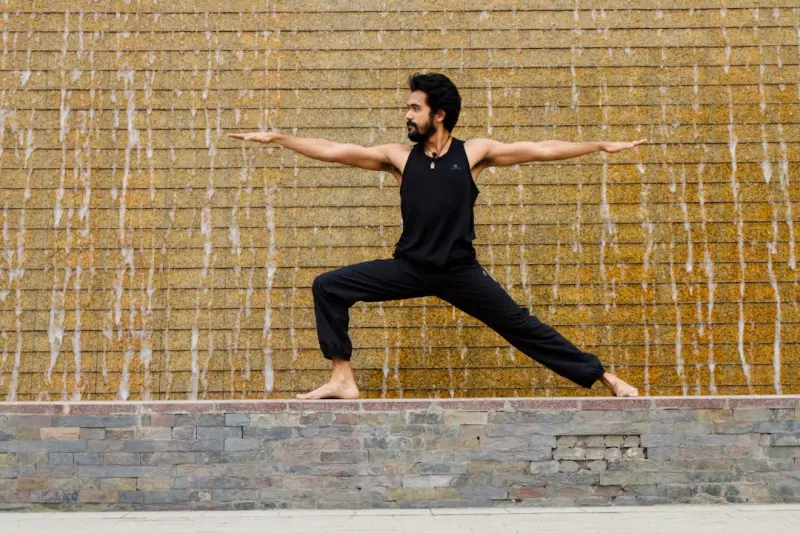
Reframing Longevity: From Mythic Fountain to Everyday Engineering
When I first started tinkering with bio‑hacks, the conversation was dominated by the classic “live to 120” mantra, peppered with talk of telomeres, fasting, and exotic supplements. Over the years, I’ve watched the hype cycle spin and settle, and I’ve learned that true longevity isn’t about chasing a single miracle. It’s about building a resilient system that can adapt, recover, and even thrive under the inevitable stresses of life. In this piece, I’ll walk you through a data‑first framework that treats longevity as an engineering problem—one you can solve with tools you already have at home, at work, and in your community.
The Environment as a Longevity Lever
We often hear the phrase “you are what you eat,” but the spaces we inhabit shape us just as powerfully. Natural light, temperature fluctuations, and even the texture of the ground under our feet send signals to our circadian clocks, hormone pathways, and immune cells. Recent research shows that modest, regular exposure to cold (think a 5‑minute dip or a brisk walk in winter gear) can stimulate brown fat, improve insulin sensitivity, and boost mitochondrial efficiency. Similarly, strategic sunlight exposure in the early morning aligns our internal clocks, optimizing hormone release and sleep quality without the need for gadgets or supplements.
What’s the actionable takeaway? Treat your environment like a set of levers you can fine‑tune. A simple morning ritual of stepping onto a balcony for 10 minutes of natural light, followed by a brief cold splash, can reset a cascade of metabolic pathways that keep aging at bay.
Purpose‑Driven Social Architecture
Human beings are wired for connection, and the quality of those connections directly influences our physiological aging. While many blogs champion “intergenerational learning” or “community wellness,” the nuance lies in purposeful, skill‑based collaboration. Think of a small cohort of professionals who meet weekly to tackle a shared challenge—be it a community garden, a hackathon for local charities, or a book club focused on emerging science. The regular exchange of ideas triggers dopamine spikes, reinforces neuroplasticity, and provides a buffer against stress‑induced inflammation.
From my own experience, forming a “longevity circle” where each member tracks one metric (sleep, movement, nutrition, mental focus) and shares weekly insights creates a feedback loop that is both supportive and data‑rich. The collective accountability turns abstract health goals into tangible, shared milestones.
Data‑Backed Habit Stacking: The Real‑World “Stack”
Habit stacking is a favorite buzzword, but the devil is in the data. Rather than blindly adding a new habit onto an existing one, map out the physiological impact of each behavior and prioritize those with the highest longevity ROI.
- Movement micro‑bursts – Short bouts of high‑intensity activity (20‑30 seconds) interspersed throughout the day elevate heart‑rate variability, a strong predictor of lifespan.
- Meal timing precision – Aligning food intake with circadian rhythms can dramatically improve metabolic health. For a deeper dive, check out The Clockwork Diet which outlines how a 12‑hour eating window can stabilize blood sugar and reduce oxidative stress.
- Digital sunset – Shutting down screens at least one hour before bed reduces blue‑light exposure, supporting melatonin production and downstream DNA repair processes.
By quantifying the impact—using wearable data, simple blood tests, or even subjective energy scores—you can iteratively refine your stack, discarding low‑impact habits and doubling down on the winners.
Integrating Technology Without Overload
We live in an era where a smartwatch can tell you your heart rate, oxygen saturation, and even your stress level. While the data flood can be overwhelming, the key is selective integration. Choose one or two metrics that directly inform your longevity goals—say, resting heart rate variability (HRV) and sleep efficiency. Focus on trends rather than daily fluctuations, and let the insights guide small, actionable tweaks.
For those concerned about the “data‑to‑stress” loop, consider a periodic “data detox” where you review metrics weekly rather than daily. This reduces anxiety while preserving the benefits of objective feedback.
The Power of Adaptive Nutrition
Nutrition is often reduced to macro‑counting, but longevity thrives on adaptability. Your body’s nutrient needs shift with seasons, stress levels, and age. By rotating food groups—think a “seasonal palette” approach—you prevent metabolic monotony and support a diverse gut microbiome.
Speaking of the gut, the Microbiome’s Secret Role in Remote Work Resilience article explored how gut diversity can buffer mental fatigue. Extending that logic, a varied diet rich in fermented foods, polyphenol‑dense berries, and different fiber sources can enhance microbial resilience, which in turn modulates inflammation pathways linked to aging.
Mindful Stress Management: Beyond “Relaxation”
Stress isn’t inherently bad—acute stressors trigger hormetic responses that fortify cells. The trick is to harness the “good stress” (eustress) while mitigating chronic overload. Practices such as deliberate cold exposure, intermittent fasting, or even tackling a challenging puzzle can invoke hormesis. Pair these with recovery strategies—deep breathing, brief meditation, or a nature walk—to close the loop.
One practical framework is the “Stress‑Recovery Ratio”: aim for at least 3 units of recovery for every unit of stress. Recovery can be measured in minutes of quality sleep, minutes of restorative breathing, or even a 5‑minute gratitude journal session.
Future‑Proofing Your Longevity Blueprint
Finally, treat longevity as a living document. Revisit your metrics quarterly, adjust your environmental levers, and iterate on habit stacks. As new research emerges—be it about senolytic compounds, novel biomarkers, or community‑level interventions—integrate the findings selectively, always testing before fully committing.
In essence, longevity isn’t a destination but a continuously engineered state. By aligning environment, purpose, data, and adaptable nutrition, you create a robust platform that not only extends lifespan but enriches each day along the way.

Craig Brett is a freelancer with a passion for the outdoors. His love for nature inspires his work, bringing authentic and engaging perspectives to projects related to outdoor activities, adventure, and environmental topics.
Related Posts
Strategic Longevity: A Data‑Centric Blueprint for Extending Your Prime
A data‑driven approach to longevity transforms health metrics, workspace design, and gut health in... Read More
The Curiosity Engine: How Lifelong Learning Fuels Longevity
Curiosity isn’t just a hobby; it’s a biological catalyst that strengthens brain plasticity, bala... Read More

The Quiet Revolution: How Intentional Silence Fuels Longevity
Intentional silence isn’t just a mental break—it’s a powerful longevity tool. Learn the scienc... Read More
Top Posts

Breathing New Life Into Eating Disorder Recovery
Explore the transformative power of breathwork in eating‑disorder recovery, blending science, simple techniques, and real‑world success stories for lasting ...Read More
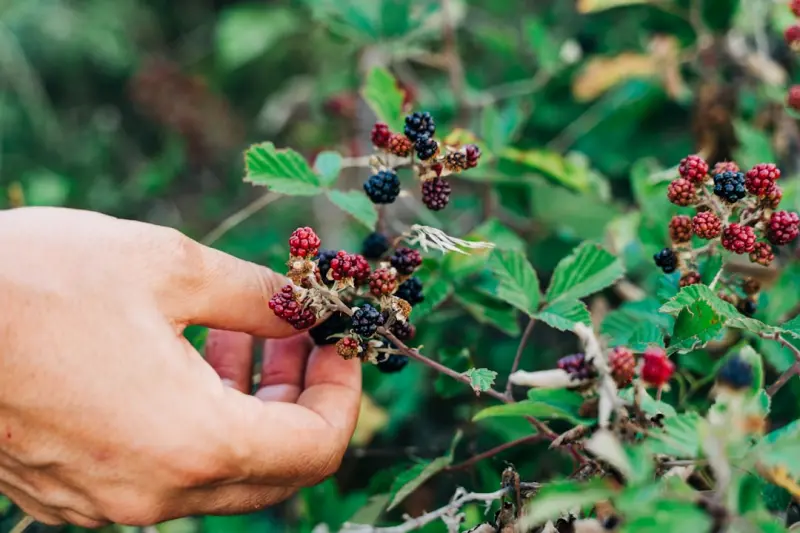
Wild Foraging Meets Modern Nutrition: A Practical Guide
Explore the nutrient power of wild greens, seasonal foraging strategies, safety tips, and simple ways to integrate foraged foods into everyday meals for a healt...Read More

Building a Resilient Immune System for Your Newborn
Learn how to nurture a robust immune system in your infant with practical tips on breastfeeding, gut health, safe exposures, and daily routines that lay the fou...Read More

The Nighttime Reset: Playful Experiments to Transform Insomnia
Treat insomnia as a sandbox for experiments. Track key variables, try low‑effort tweaks like light filters, temperature drops, and micro‑rituals, then itera...Read More
0 Comments
Post Comment
You will need to Login or Register to comment on this post!