
Why Your Gut Is the Unsung Hero of Remote‑Work Performance
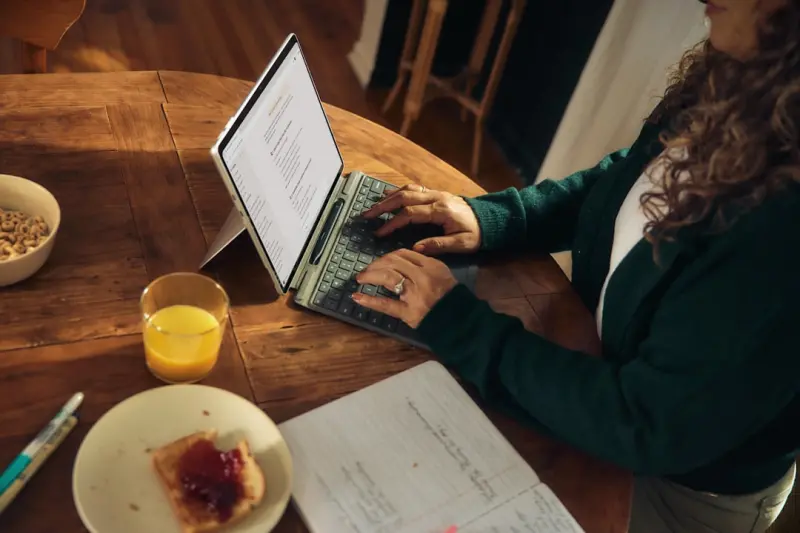
When the pandemic forced us onto Zoom calls and home‑office desks, most of the conversation centered on Wi‑Fi speed, ergonomic chairs, and the dreaded “Zoom‑fatigue.” What most professionals never considered is that the very engine powering their focus, mood, and stamina lives inside their belly—specifically, the trillions of microbes that make up the gut microbiome. In this post I’ll unpack the science, share the habits that let you harness a healthier gut, and show how those tweaks translate directly into sharper meetings, steadier creativity, and fewer afternoon crashes.
The Gut‑Brain Highway: More Than a One‑Way Street
For years, the “gut‑brain axis” was a buzzword tossed around in scientific journals, but recent research proves it’s a two‑way superhighway. Your gut sends signals to the brain via the vagus nerve, short‑chain fatty acids, and even neurotransmitters like serotonin—up to 90% of which is produced in the intestines. In turn, stress hormones from the brain can reshape the microbial landscape, creating a feedback loop that either fuels productivity or fuels panic.
What does this mean for the remote worker? When you’re stuck in a 10‑hour day without the usual office coffee breaks, you’re likely to experience spikes in cortisol. Those spikes can weaken the gut barrier, encouraging “leaky gut”‑type inflammation. The inflammation then releases cytokines that impair cognition, leading to that dreaded brain‑fog that makes spreadsheets feel like cryptic hieroglyphics.
Three Gut‑Friendly Strategies That Fit Seamlessly Into a Home Office
Below are evidence‑backed habits that don’t require a radical diet overhaul or a subscription to a boutique meal‑prep service. They’re designed to be slipped into the rhythm of a typical work‑day.
- Time‑Restricted Eating (TRE) to Reset Circadian Rhythm. Aligning your eating window with daylight hours helps synchronize the gut’s own clock, improving microbial diversity and metabolic efficiency. If you normally graze from 8 a.m. to 8 p.m., try tightening the window to 10 a.m.–6 p.m. for two weeks and notice any change in alertness.
- Prebiotic Power Snacks. A handful of raw chicory root, Jerusalem artichoke, or even a spoonful of oat bran can feed beneficial bacteria without the sugar crash associated with typical office treats.
- Micro‑Movement Meal Breaks. Stand up, stretch, or do a minute of light calisthenics right after eating. This modest activity spurs gut motility, reduces post‑lunch sluggishness, and signals to your microbiome that it’s time to metabolize nutrients efficiently.
How Timing Your Meals Can Stabilize Blood Sugar and Boost Focus
One of the most overlooked levers for gut health is meal timing. The Clockwork Diet article explored how synchronizing meals with your body’s internal clock can smooth out glucose spikes. When glucose stays steady, the gut microbiota receives a consistent flow of fermentable fibers, which in turn produce short‑chain fatty acids that calm inflammation and sharpen mental clarity. The result? No more “mid‑afternoon crash” that leaves you staring at a blank PowerPoint slide.
Detox Isn’t About Juice Cleanses—It’s About Microbial Reset
Many of us have tried a weekend “detox” only to feel worse after the fast ends. The problem is that most detox trends focus on eliminating foods rather than supporting the microbes that help the body eliminate toxins naturally. Instead, consider a targeted “microbial reset” by incorporating fermented foods (kimchi, sauerkraut, kefir) and a modest increase in polyphenol‑rich foods like berries and dark chocolate.
For a deeper dive into unconventional detox pathways that work with, rather than against, your gut, check out Resetting Your Body. The article outlines how certain plant compounds act as prebiotic substrates, essentially feeding the gut bacteria that convert harmful metabolites into harmless by‑products.
Stress‑Proofing Your Microbiome With Wearables
If you already wear a smartwatch to track heart rate variability (HRV), you’re one step away from monitoring gut‑related stress. Emerging wearables can now estimate digestive activity via skin temperature, motility sensors, and even breath analysis. By correlating spikes in stress markers with gut‑related symptoms (bloating, irregularity), you can pre‑emptively adjust your day—perhaps by taking a short walk, drinking a cup of herbal tea, or doing a brief meditation.
Integrating this data into a routine “gut check‑in” can become a habit as ingrained as your morning coffee. Over weeks, you’ll notice patterns: maybe a high‑stakes client call coincides with increased abdominal discomfort, signaling you need a micro‑movement break before the next meeting.
Case Study: From “Foggy” to “Focused” in 30 Days
Let’s look at a real‑world example. Maya, a 34‑year‑old product manager, reported chronic brain‑fog, irregular bowel movements, and a tendency to snack on sugary treats during long video calls. She implemented the three strategies above:
- Shifted her eating window to 11 a.m.–7 p.m.
- Added a daily prebiotic snack (1 tbsp of oat bran with Greek yogurt).
- Started a 2‑minute micro‑movement break after each meal.
After four weeks, Maya’s HRV improved by 12%, her average blood glucose (measured via a continuous glucose monitor) stabilized between 80‑100 mg/dL, and she reported “laser‑like focus” during sprint planning sessions. Her gut health questionnaire score increased from 55 to 78 (out of 100), indicating a significant reduction in gastrointestinal symptoms.
Putting It All Together: A Sample Day for the Remote Professional
Below is a practical schedule that marries work demands with gut‑friendly practices. Feel free to adapt the timings to your own time zone and workload.
- 08:00 – Morning Hydration. Start with 16 oz of warm water + lemon. This jump‑starts gastric motility.
- 09:30 – Focused Work Block. No screens for the first 10 minutes; use this time for deep work while your gut is still relatively empty, which improves concentration.
- 11:00 – Prebiotic Snack. A small bowl of kefir with a sprinkle of chia seeds.
- 12:30 – Main Meal (Lunch). Include a mix of lean protein, complex carbs, and plenty of vegetables. Finish within a 30‑minute window.
- 12:45 – Micro‑Movement Break. 2‑minute stretch routine targeting the core and lower back.
- 15:00 – Fermented Snack. A few slices of kimchi or a probiotic‑rich kombucha.
- 17:30 – Evening Wrap‑Up. Light walk (5‑10 minutes) to aid digestion before logging off.
- 19:00 – Dinner (Light). Keep it low‑fiber to give the gut a chance to settle before sleep.
- 21:00 – Wind‑Down. Herbal tea (peppermint or ginger) and a brief gratitude journal entry to lower cortisol.
The Bottom Line: Gut Health Is a Competitive Edge
In the age of hybrid work, performance isn’t just about mastering spreadsheets or perfecting presentations. It’s about optimizing the physiological systems that underpin cognition, mood, and resilience. By treating your gut as a strategic asset—through mindful meal timing, prebiotic nutrition, and micro‑movement—you unlock a level of mental stamina that rivals any productivity hack.
Give these tactics a trial run for a month. Track your focus levels, energy, and digestive comfort. When you see the data shift in the right direction, you’ll understand why the gut is quietly becoming the most talked‑about frontier in workplace wellness.

Tom Ferguson is a Canadian freelance writer with a passion for storytelling, current events, and thoughtful commentary. Drawing on years of writing experience, he shares engaging insights on a wide range of topics, bringing a uniquely Canadian perspective to his work.
Related Posts
Fermented Office Snacks: Boost Gut Health & Team Performance
Turn your office snack drawer into a fermentation station and unlock gut-driven energy, focus, and c... Read More
Gut Health Mastery: A Holistic Blueprint for Everyday Vitality
Unlock the secrets of a thriving gut with practical, holistic tactics—from fermented foods to stre... Read More

Gut Health Blueprint: Tom Ferguson’s Holistic Path to a Thriving Microbiome
Tom Ferguson shares his proven gut‑health blueprint, blending nutrition, stress management, and cu... Read More
Top Posts

Smart Wellness for Expecting Moms
Discover how modern tech, community gardens, gamified movement, and storytelling are reshaping pregnancy, offering expectant mothers smarter wellness tools for ...Read More
When Your Screens Feel Heavy: A Mindful Tech Blueprint
Learn how to transform screen fatigue into digital wellness with micro‑breaks, intentional device settings, and a balanced environment that supports sleep and...Read More

Unlocking Everyday Body Detox: A Holistic, Habit‑Based Approach
Detox isn’t a quick fix; it’s a lifestyle. Learn how gentle movement, smart nutrition, clean air, and stress‑reduction work together to empower your bodyâ...Read More

Cycle Syncing for High‑Performing Women: Aligning Hormones, Energy, and Ambition
This article explores cycle syncing as a strategic tool for women in demanding careers, offering practical steps to align work, fitness, and nutrition with horm...Read More
0 Comments
Post Comment
You will need to Login or Register to comment on this post!