
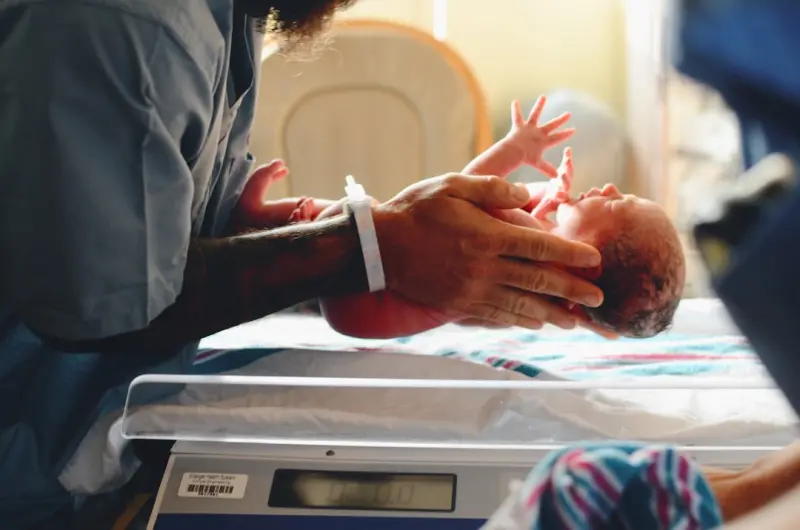
Why Early Immune Development Matters
From the moment a newborn takes its first breath, a silent battle begins between a nascent immune system and the myriad microbes that populate the world, and the outcomes of this early skirmish set the tone for a child’s health trajectory for decades to come; research shows that infants who receive robust immunological support in the first six months are less likely to develop allergies, autoimmune disorders, and severe infections later in life, making the first weeks a critical window of opportunity that parents can influence through thoughtful choices. Investing in immune resilience now not only reduces the immediate risk of illness but also cultivates a more adaptable immune repertoire, which translates into fewer doctor visits, less reliance on antibiotics, and a smoother transition into the bustling environments of daycare and preschool. By understanding the science behind immune education, caregivers can move beyond instinctive gut feelings and adopt evidence‑based practices that empower their tiny patients to thrive.
Breast Milk: Nature’s First Vaccine
Colostrum, the thick, yellowish first milk, is packed with secretory IgA antibodies, lactoferrin, and a cocktail of cytokines that act as a frontline shield, directly targeting pathogenic bacteria while simultaneously teaching the infant’s gut‑associated lymphoid tissue how to differentiate friend from foe, and the beauty of this natural immunization is that it adapts in real time to the mother’s environment, delivering a personalized defense that no synthetic supplement can replicate. Moreover, the oligosaccharides in human milk serve as prebiotic fibers, feeding beneficial Bifidobacteria and fostering a diverse microbiome that is the cornerstone of long‑term immune balance, a concept echoed in the broader discussion of the urban microbiome mastery movement. While exclusive breastfeeding for the first six months is ideal, even partial nursing provides a measurable boost to antibody levels, underscoring the importance of supporting lactation through proper nutrition, hydration, and stress management for the mother.
Beyond Milk: Introducing Beneficial Microbes
When a baby’s digestive tract begins to encounter solid foods, each bite becomes an educational moment for the immune system, and incorporating fermented foods such as plain yogurt or kefir—once the infant is developmentally ready—offers a gentle, controlled dose of live cultures that can populate the gut with Lactobacillus and Streptococcus strains known to outcompete harmful pathogens, thereby reinforcing the barrier function of the intestinal lining. Parents often worry about exposing infants to too many germs, yet controlled exposure to a variety of micro‑organisms, especially those found in outdoor soil or family pets, can stimulate regulatory T‑cells, which act as peacekeepers that prevent over‑reactive immune responses like eczema and asthma; this principle aligns with the advice found in gentle strategies for protecting your infant’s sensitive skin, which also emphasizes balanced environmental contact. Introducing a rainbow of fruits, vegetables, and whole grains not only diversifies the microbiome but also supplies phytonutrients that act as antioxidants, further shielding the infant from oxidative stress.
Skin‑to‑Skin Contact and Immune Signaling
Physical closeness between parent and child triggers the release of oxytocin, a hormone that does more than foster bonding; oxytocin modulates the hypothalamic‑pituitary‑adrenal axis, dampening cortisol spikes that would otherwise suppress immune function, and studies have shown that infants who receive regular skin‑to‑skin care exhibit higher levels of natural killer cells, the body’s rapid responders to viral threats. This tactile interaction also encourages the transfer of the mother’s skin microbiota, creating a shared microbial ecosystem that reduces colonization by opportunistic bacteria and supports the maturation of the infant’s cutaneous immune defenses. In practice, incorporating a few minutes of kangaroo care after each feeding, especially during nighttime awakenings, can become a routine that simultaneously soothes the baby, stabilizes heart rate, and fortifies immune readiness without any additional cost.
The Role of Vitamin D and Sunlight
Vitamin D functions as a hormone that regulates the expression of antimicrobial peptides such as cathelicidin, which patrol the respiratory and intestinal tracts, and while fortified formula provides a baseline, controlled exposure to natural sunlight remains the most efficient way to boost circulating levels in a newborn, especially during the early months when skin synthesis is still developing; a brief, diaper‑free outdoor session of ten to fifteen minutes a day, with the infant’s face protected from direct glare, can generate sufficient vitamin D to complement dietary intake. Parents should be mindful of geographic location and season, adjusting exposure time accordingly, and when sunlight is scarce, a pediatric‑approved supplement may be necessary to maintain optimal immune function. Beyond its antimicrobial benefits, vitamin D also supports the development of regulatory T‑cells, reinforcing the body’s ability to keep inflammatory responses in check, which is crucial for preventing chronic conditions later in life.
Smart Hygiene: Balancing Cleanliness and Exposure
The modern obsession with sterility, while well‑intentioned, can inadvertently deprive an infant’s immune system of the “training wheels” it needs to learn discrimination, and a balanced hygiene philosophy—sometimes called “microbial hygiene”—advocates for targeted cleaning of high‑risk surfaces such as kitchen counters and diaper pails while allowing toys, floors, and even the family pet’s fur to retain a natural microbial load that serves as a low‑dose vaccine. Hand washing remains essential before feeding and after bathroom use, but using gentle, fragrance‑free cleansers on the baby’s skin preserves the protective lipid barrier and prevents the removal of beneficial microbes; this approach dovetails with the principles outlined in the skin‑care article mentioned earlier, emphasizing that over‑cleansing can be counterproductive. By establishing routines that differentiate between “clean” (e.g., feeding areas) and “safe to explore” (e.g., play mats), parents can create an environment where the infant’s immune system receives the right amount of stimulation without unnecessary risk.
Sleep Positioning and Lymphatic Flow
While the primary focus of infant sleep safety centers on the supine position to prevent sudden infant death syndrome, recent insights suggest that proper alignment also influences lymphatic drainage, a key pathway for immune cell transport, and placing a newborn on a firm, flat surface with minimal bedding not only reduces the risk of suffocation but also allows the neck and shoulder muscles to relax, facilitating the unobstructed flow of lymph through the cervical channels that filter pathogens. Incorporating a brief “tummy time” session while the baby is awake further promotes muscular development and stimulates the thoracic duct, the largest lymphatic vessel, enhancing the circulation of immune‑active cells throughout the body. Consistency in sleep routines—regular bedtime, dim lighting, and a calm pre‑sleep ritual—also stabilizes the circadian rhythm, which regulates cytokine production and optimizes the body’s innate defenses during the night.
Family Lifestyle: Modeling Healthy Habits
Children are keen observers, and the habits they witness in caregivers become the blueprint for their own health decisions; when a household prioritizes balanced meals, regular physical activity, and stress‑reduction techniques such as mindful breathing, the infant internalizes these cues through both direct exposure and epigenetic signaling, which can up‑regulate genes associated with immune resilience. Limiting processed sugars and saturated fats not only curtails inflammatory pathways but also reduces the likelihood of dysbiosis, a microbial imbalance that can predispose infants to eczema, food sensitivities, and even respiratory infections. By establishing a rhythm of family walks, shared meals, and screen‑free evenings, parents create a supportive ecosystem where the baby’s immune system is constantly reinforced by the collective health of the unit.
Putting It All Together: A Simple Daily Blueprint
To translate the science into actionable steps, consider a day‑long checklist that begins with a morning skin‑to‑skin cuddle while the mother enjoys a nutrient‑dense breakfast rich in omega‑3s and vitamin D, followed by a feeding session that prioritizes breast milk or fortified formula, then a brief outdoor stroll for sunlight exposure and sensory exploration; mid‑day can include a probiotic‑rich snack such as plain yogurt for older infants, a play session on a clean but microbially diverse mat, and a focused hand‑washing routine before the next feed. Evening routines should incorporate a calm bath with mild cleansers, a gentle massage that supports lymphatic flow, and a consistent bedtime ritual that places the baby on a firm surface in a supine position, capped off with a brief period of parental mindfulness to lower stress hormones. By adhering to this structured yet flexible plan, parents provide a multi‑layered defense system that empowers the infant’s immune network to grow strong, adaptable, and ready for the adventures that lie ahead.

William Roy is a freelance writer originally from Montreal who moved to Ottawa with his wife of 50 years to be closer to their grandkids. Alongside his writing, William has a passion for fishing.
Related Posts

Data-Driven Parenting: A New Blueprint for Infant Health
Discover how combining wearable technology with mindful daily habits can empower parents to monitor ... Read More

Why Baby Skin-to-Skin Time Is a Game-Changer for Long-Term Health
Skin-to-skin contact isn’t just a sweet moment; it’s a science‑backed practice that strengthen... Read More

Boost Your Baby’s Immunity in the First Year
A practical guide for new parents on nurturing a resilient immune system in infants during the criti... Read More
Top Posts

Narrative Medicine: Redefining the Cancer Journey
A deep dive into how integrating patient stories into oncology care can boost resilience, improve treatment adherence, and humanize the cancer experience....Read More

The Narrative Cure: Using Personal Storytelling to Build Mental Resilience
Learn to harness personal storytelling as a powerful tool for mental resilience, turning everyday stress into a narrative you can rewrite and control....Read More

Nurturing Your Nest: A Holistic Blueprint for Modern Pregnancy
This article offers a fresh, holistic approach to pregnancy, blending light therapy, microbiome rewilding, gentle movement, financial planning, and supportive d...Read More
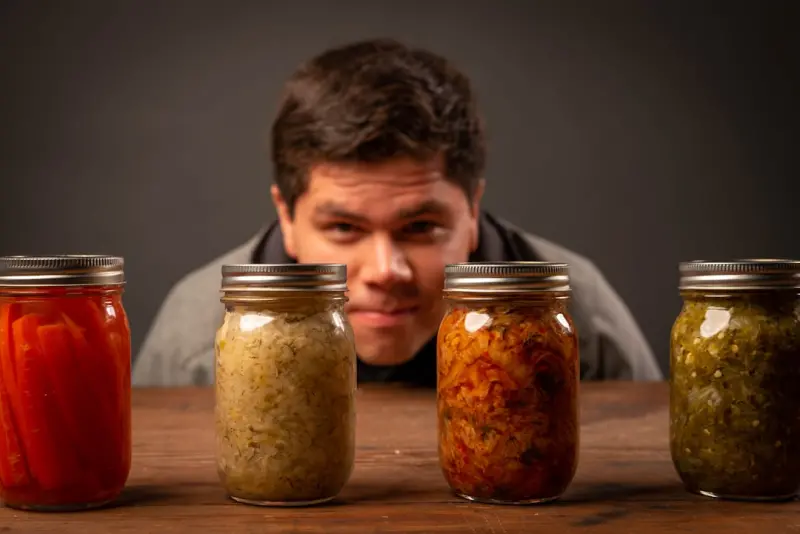
Fermented Foods: The Unsung Heroes of Modern Nutrition
Fermented foods like kimchi, kombucha, and miso offer hidden nutrients, probiotics, and enzymes that support digestion, immunity, and mental clarity—making th...Read More
0 Comments
Post Comment
You will need to Login or Register to comment on this post!