
The Curiosity Engine: How Lifelong Learning Fuels Longevity
When I first started tracking my own health metrics, I was obsessed with the usual suspects: diet, sleep, cardio, and supplements. Over time, a surprising pattern emerged. The days when I dove into a new hobby, tackled a complex puzzle, or simply let my mind wander through uncharted ideas were also the days my heart rate variability spiked, my stress markers fell, and my sense of purpose surged. This isn’t a coincidence; it’s a biological truth that researchers are only beginning to decode. In this post, I’ll unpack why curiosity and continuous learning are powerful, yet under‑appreciated, levers for extending not just lifespan, but healthspan.
The Neurological Blueprint of a Curious Mind
Neuroscience tells us that the brain is a remarkably plastic organ. Every time we learn something new, we forge new synaptic connections, strengthen existing pathways, and release a cocktail of neurotrophic factors—most notably brain‑derived neurotrophic factor (BDNF). BDNF not only supports cognitive function but also has downstream effects on metabolism, inflammation, and even telomere maintenance.
Consider the food‑brain connection. Nutrients like omega‑3 fatty acids, flavonoids, and curcumin can amplify BDNF production, but the act of learning itself super‑charges the signal. When you’re solving a complex coding problem, learning a new language, or mastering a musical instrument, you’re essentially telling your body: “I’m thriving; keep the cellular machinery humming.” This physiological state translates into lower oxidative stress and improved DNA repair mechanisms—two hallmarks of aging.
Purpose‑Driven Learning: The Emotional Engine
Longevity isn’t solely a matter of biology; it’s also about the stories we tell ourselves. When we set learning goals that align with a deeper purpose—whether it’s mentoring the next generation, preserving cultural heritage, or innovating in a field we love—we trigger the brain’s reward circuitry. Dopamine surges, cortisol drops, and the immune system gets a subtle boost.
One practical way to embed purpose into your learning routine is to adopt the “micro‑project” mindset. Instead of committing to a year‑long degree, pick bite‑sized projects that can be completed in weeks. This creates frequent moments of achievement, each reinforcing the neurochemical loop that supports resilience.
Social Learning: The Longevity Multiplier
Human beings are wired for connection, and the social dimension of learning multiplies its benefits. Engaging in group workshops, book clubs, or collaborative hackathons adds an extra layer of oxytocin release, which has been shown to protect cardiovascular health and modulate inflammatory pathways.
Take the example of community‑driven health initiatives, like the community gardens that empower seniors. While the primary focus there is horticulture, the underlying social fabric—shared knowledge, mentorship, collective problem‑solving—creates a fertile ground for cognitive and emotional vitality. Even if your interests lie in tech, design, or philosophy, the principle holds: learning in a social context is a potent longevity hack.
Integrating Curiosity into Daily Routines
Now that we’ve explored the why, let’s talk about the how. Below are actionable strategies that can seamlessly weave curiosity into the fabric of your day.
- Morning Brain Warm‑Up: Spend the first 10 minutes after waking on a mental puzzle—crosswords, sudoku, or a quick coding challenge. This primes BDNF production for the day ahead.
- Learning Lunches: Pair your midday meal with a TED Talk, a short documentary, or a podcast episode on a topic outside your expertise. The daily grind becomes a catalyst for growth.
- Micro‑Explorations During Commutes: Use your commute time to read a scientific paper, practice a language on Duolingo, or listen to an audiobook. The key is consistency, not duration.
- Weekly “Adventure” Sessions: Reserve one evening a week for a hands‑on activity—pottery, woodworking, or a cooking class. These everyday adventures keep the brain in a state of novelty.
- Reflective Journaling: End each day with a brief note on what you learned, questions that arose, and how you felt. This meta‑cognitive habit solidifies neural pathways and provides a feedback loop for future curiosity.
Measuring the Impact: Data‑Driven Curiosity
If you’re anything like me, you love metrics. Fortunately, modern wearables and health platforms let you track proxies for the benefits of learning.
- Heart Rate Variability (HRV): Elevated HRV often follows periods of mental stimulation and indicates better autonomic balance.
- Resting Heart Rate (RHR): A modest decline over weeks can signal improved cardiovascular resilience, often linked to reduced stress from engaging hobbies.
- Sleep Quality: Curiosity can improve sleep architecture, especially the proportion of deep, restorative sleep phases.
- Cognitive Performance Scores: Many apps now offer short daily assessments of memory, attention, and processing speed. Track trends to see real‑world gains.
By correlating these metrics with your learning schedule, you can fine‑tune the frequency and type of activities that deliver the greatest longevity dividends.
The Longevity Feedback Loop: From Learning to Living
When you consistently feed your brain with novelty, you create a virtuous cycle:
- Neuroplasticity Boost: New skills → increased BDNF → stronger synapses.
- Hormonal Harmony: Dopamine and oxytocin spikes → reduced cortisol → lower inflammation.
- Cellular Maintenance: Enhanced DNA repair, telomere preservation, and mitochondrial efficiency.
- Enhanced Resilience: Better stress response, immune function, and metabolic flexibility.
- Extended Healthspan: More years of vigor, less chronic disease, and a richer quality of life.
The loop isn’t linear; it’s dynamic. As your health improves, you’ll find yourself more eager to explore new domains, further amplifying the cycle.
Overcoming the Barriers to Curiosity
Life is busy, and the myth that learning requires massive time investment is pervasive. Here’s how to dismantle the most common obstacles.
Time Scarcity
Adopt the “5‑Minute Rule.” Commit to learning for just five minutes, and you’ll often discover a momentum that carries you further. The brain hates wasted effort, so once you start, it pushes you to continue.
Fear of Failure
Reframe mistakes as data points. In the same way a scientist iterates on an experiment, treat every slip‑up as feedback. This mindset reduces anxiety and keeps the dopamine flow steady.
Information Overload
Curate your sources. Use a limited set of high‑quality platforms and stick to them. A focused pipeline prevents decision fatigue and ensures deeper engagement.
Social Isolation
Leverage online communities—forums, Discord servers, or local meet‑ups—to share your journey. The accountability and shared enthusiasm act as a catalyst for sustained curiosity.
Case Study: From Desk‑Bound to Lifelong Learner
Meet Maya, a 48‑year‑old project manager who felt the early signs of burnout. She incorporated a “learning hour” each evening, rotating between photography, Python coding, and salsa dancing. Within six months, her HRV improved by 12%, her sleep latency dropped by 30 minutes, and she reported a 40% increase in perceived energy levels.
Maya’s story illustrates that longevity is less about a single miracle habit and more about a tapestry of micro‑habits that collectively shift the body’s baseline toward youthfulness.
Future Directions: Curiosity as a Public Health Pillar
Imagine a world where schools embed lifelong learning modules, workplaces allocate “curiosity budgets,” and healthcare providers prescribe “learning prescriptions.” Early pilot programs in Nordic countries are already linking community workshops to reduced hospital readmission rates. The data suggest that fostering curiosity at a population level could be a cost‑effective strategy to combat age‑related decline.
As we design the next generation of health policies, let’s not overlook the simple, scalable power of curiosity. It’s free, it’s enjoyable, and, as the science increasingly shows, it’s a potent longevity tool.
Take the First Step Today
Pick one curiosity spark—whether it’s a new recipe, a language app, or a DIY electronics kit. Schedule it into your calendar, track a few key health metrics, and observe the ripple effects. In the grand tapestry of longevity, the threads of learning are the ones that keep the pattern vibrant and resilient.

Related Posts
The Hidden Levers of Longevity: Purpose, Learning, and Community
Longevity isn’t just about supplements or tech—it’s built on purpose, lifelong learning, and p... Read More
Syncing Your Body Clock: A Rhythm‑Based Blueprint for Longevity
Learn to extend healthspan by syncing daily habits—nutrition, light exposure, movement, and social... Read More
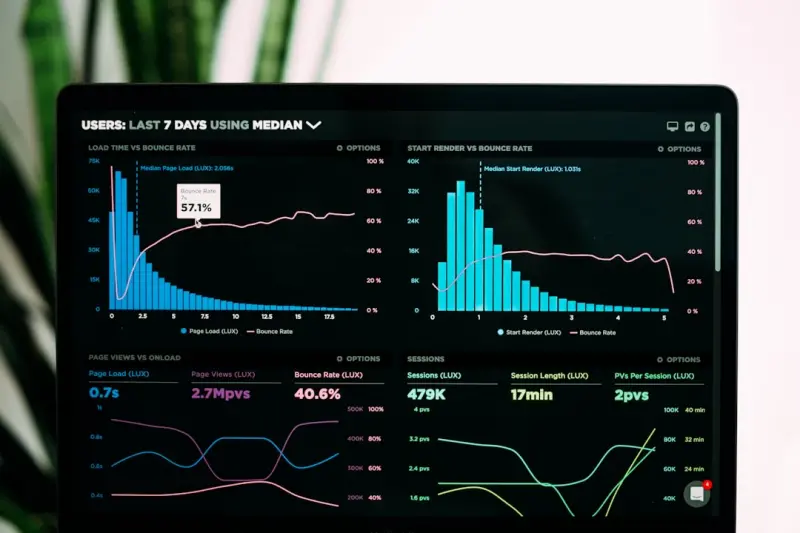
Your Personal Longevity Dashboard: Turning Data into Decades
A personal longevity dashboard transforms everyday health metrics into a clear, actionable roadmap f... Read More
Top Posts
Anticipatory Rehabilitation: Turning Data into Movement Freedom
Physiotherapy is evolving into anticipatory rehabilitation, using wearables and data analytics to predict and prevent injuries before they happen, empowering pa...Read More
Nutrition and Mental Health During Pregnancy: A Holistic Approach
Pregnancy is a transformative period marked by significant physiological, emotional, and psychological changes. A holistic approach to pregnancy emphasizes the ...Read More
Nature Immersion: A Fresh Path to Boost Brain Power
Learn practical, science‑backed ways to weave nature into your daily routine, enhancing cognition, mood, and resilience—all in just minutes a day....Read More
Weight Loss as a Narrative Reset: Crafting Your Own Body Story
A novel perspective on weight loss treats the journey as a personal narrative, emphasizing identity, sensory eating, micro‑movement, rhythm‑driven workouts,...Read More
0 Comments
Post Comment
You will need to Login or Register to comment on this post!