
Why Wild Foraging Is the Missing Link in Your Nutrition Playbook
When I first stumbled upon a patch of stinging nettles on a weekend hike, I expected a quick lesson in “don’t touch this.” Instead, I got a taste of something wild, vibrant, and surprisingly nutritious. That moment sparked a curiosity that has now turned into a full‑blown culinary adventure: integrating foraged foods into a modern, balanced diet. If you think foraging is a niche hobby reserved for seasoned botanists, think again. It’s a practical, affordable, and eco‑friendly way to diversify your nutrient intake, especially when you’re juggling meetings, deadlines, and the occasional craving for something beyond the grocery aisle.
The Nutrient Powerhouse of Wild Greens
Wild greens—think dandelion leaves, chickweed, sorrel, and indeed, stinging nettles—are often dismissed as weeds, but they pack a nutritional punch that rivals, and sometimes surpasses, cultivated lettuce or spinach. A single cup of dandelion greens delivers more calcium, iron, and vitamin K than a comparable serving of kale. These plants have grown without fertilizers or pesticides, meaning the micronutrient density is naturally higher. For busy professionals, adding a handful of wild greens to a smoothie, salad, or sauté can boost your daily intake of antioxidants, phytonutrients, and fiber without any extra prep time.
Seasonality as a Nutrition Strategy
One of the biggest challenges in nutrition planning is staying seasonal. Supermarkets flood the shelves with produce out of season, often shipped from thousands of miles away, which can diminish flavor and nutrient content. Foraging flips that script. By learning what’s available in each season, you naturally align your meals with the peak nutritional profile of each plant.
- Spring: Tender shoots of fiddleheads, ramps, and wild garlic provide a burst of vitamin C and sulfur compounds that support immune function.
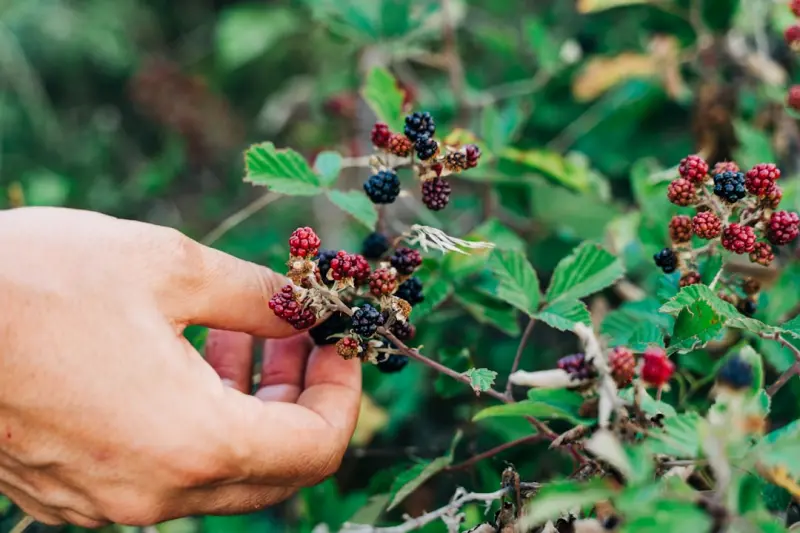
- Summer: Berries like mulberries and wild strawberries are rich in anthocyanins, excellent for cardiovascular health.
- Fall: Acorns (properly leached) and chestnuts offer complex carbohydrates and healthy fats—great for sustained energy during the busy end‑of‑year push.
- Winter: Hardy greens such as kale‑like sea kale and wild mustard can be foraged in milder climates, delivering essential vitamins when fresh grocery options dwindle.
Seasonal foraging doesn’t just improve nutrient density; it also reduces food waste. You harvest only what you’ll use, and the plants you leave behind continue to thrive, supporting biodiversity.
Safety First: Identifying and Preparing Wild Edibles
Before you start tossing any leaf you find into your lunchbox, a quick refresher on safe foraging is essential. Here are three non‑negotiable steps:
- Know Your Plant: Use a reputable field guide or a reliable mobile app to confirm the species. Remember the old adage: “If you’re not 100 % sure, don’t eat it.”
- Harvest Responsibly: Take no more than 10 % of a given plant population in an area. This ensures the ecosystem remains balanced and the plant can regenerate.
- Prep Properly: Some wild greens contain oxalic acid or other compounds that are best reduced through blanching or soaking. For example, stinging nettles lose their sting after just a minute of boiling.
When you combine these practices with a little curiosity, the kitchen becomes an extension of the trail—a place where nature’s raw data meets culinary creativity.
Integrating Foraged Foods Into Everyday Meals
Now that you’re comfortable identifying and preparing wild edibles, let’s talk integration. The key is to treat foraged ingredients as accent notes rather than the main course—especially when you’re still learning flavors.
- Salad Boosters: Add a handful of fresh sorrel or chickweed to a mixed‑green salad. The slight tang pairs beautifully with a citrus vinaigrette.
- Smoothie Power: Blend nettle leaves with banana, almond milk, and a spoonful of chia seeds for a green smoothie that feels like a nutrient‑dense super‑drink.
- Soup Enhancers: Stir in finely chopped dandelion greens or wild garlic toward the end of cooking to preserve their bright flavors and nutrients.
- Seasoning Substitutes: Use dried ramps or wild thyme as a seasoning for roasted vegetables, providing depth without added sodium.
These simple swaps keep your meals exciting and nutritionally robust without demanding a complete overhaul of your cooking routine.
Connecting Foraging With Modern Nutrition Concepts
While foraging might feel like stepping back into a pre‑industrial era, it aligns perfectly with contemporary nutrition frameworks. Take Glucose Budgeting for example. By incorporating low‑glycemic wild greens and berries, you naturally flatten post‑meal blood sugar spikes, making it easier to stay within your glucose “budget.”
Moreover, the Packaging Paradox highlights how many processed foods come wrapped in materials that can leach chemicals into the food. Foraged foods, by definition, come without packaging, removing that hidden source of gut irritation.
Even the concepts in Heritage Meals—reimagining traditional dishes with a health lens—mirror the forager’s mindset. You’re taking age‑old plants and using modern culinary techniques to enhance both flavor and health outcomes.
Economic Benefits: Cutting Costs While Boosting Health
Let’s talk dollars and sense. A single foraging trip can yield several pounds of edible greens, mushrooms, or berries—often at zero cost. When you compare that to the price tag of organic produce at the grocery store, the savings add up quickly. For a family of four, substituting even a modest portion of weekly groceries with foraged items can shave $30–$50 off the food bill each month.
Beyond direct savings, there’s an indirect financial benefit: improved health leads to fewer medical expenses. Studies have linked higher intake of phytonutrient‑rich foods with reduced inflammation and lower risk of chronic diseases, meaning you may spend less on medications and doctor visits over time.
Building a Community Around Foraged Nutrition
One of my favorite discoveries while diving into wild foods was the sense of community that forms around shared foraging trips. Local parks, community gardens, and even urban rooftops host “forage walks” where beginners learn from seasoned experts. These gatherings serve as a living classroom for nutrition, botany, and sustainable living.
Joining or organizing a foraging group can also amplify the nutritional impact. Group members often exchange recipes, preservation tips, and even swap surplus harvests. This collaborative model mirrors the social‑first approach we see in social‑first weight loss initiatives—leveraging relationships to sustain healthy habits.
Practical Tips to Get Started Today
If you’re ready to bring the wild into your kitchen, here’s a quick starter kit:
- Field Guide: Carry a pocket‑size guide for your region. Many apps allow you to photograph a plant and get instant identification.
- Basic Gear: A small basket, gloves (for nettles), and a pair of scissors. No fancy equipment needed.
- Prep Station: Designate a clean area in your kitchen for washing and blanching wild greens.
- Recipe Bank: Start with three simple recipes—salad, smoothie, and soup—that incorporate foraged items.
Remember, the goal isn’t to become a full‑time forager overnight but to integrate small, manageable steps that enrich your diet and reconnect you with the natural world.
Conclusion: A Sustainable, Nutrient‑Dense Future
In a world where food often feels disconnected from its source, wild foraging offers a tangible, rewarding bridge back to nature. It empowers you to take control of your nutrition, reduce your environmental footprint, and even save a few bucks along the way. By respecting the land, learning the language of plants, and applying modern nutrition principles, you can transform a simple hike into a powerful health strategy.
So the next time you lace up your shoes for a weekend walk, keep an eye out for the bright yellow heads of dandelion or the delicate fronds of wild garlic. Your body—and the planet—will thank you.

Jessica Hall is a dynamic freelance writer based in the vibrant city of London, Ontario. As a dedicated single mom, she expertly juggles the demands of parenthood with her passion for storytelling, crafting compelling narratives that resonate with readers. With a background in retail, Jessica brings a unique perspective to her writing, infusing her work with insights drawn from her experiences
Related Posts
Chrononutrition: Mastering Meal Timing to Supercharge Executive Focus
Learn how strategic meal timing—chrononutrition—can enhance focus, sustain energy, and improve s... Read More

How Color, Clock, and Culture Can Transform Your Nutrition
Learn the art of eating with color, timing, and mindful choices to supercharge your body, sharpen yo... Read More

Taste the Change: How Sensory Nutrition Can Transform Your Health
Explore a new nutrition approach that uses flavor, color, aroma, and texture to boost digestion, cur... Read More
Top Posts

Rethinking Liver Wellness in a Fast‑Paced World
Discover practical strategies to support liver health beyond detox trends, focusing on circadian rhythm, nutrient timing, toxin reduction, and low‑effort tech...Read More

Micro‑Movement Mastery: Turning Everyday Actions into a Physiotherapy Power‑Up
Discover how integrating micro‑movements into everyday actions—like reaching for a coffee mug or waiting for an elevator—can transform physiotherapy, enha...Read More

Cultivating a Mental Garden: Small Daily Practices for Resilience
A fresh approach to mental health: treat your mind like a garden, using simple daily rituals to grow resilience, creativity, and calm, while harvesting lasting ...Read More

Microbial Reset: A Science‑Backed Path to Whole‑Body Detox
A fresh take on detox focuses on resetting the gut and skin microbiome through diverse foods, targeted fermentation, and mindful environmental hygiene, offering...Read More
0 Comments
Post Comment
You will need to Login or Register to comment on this post!