
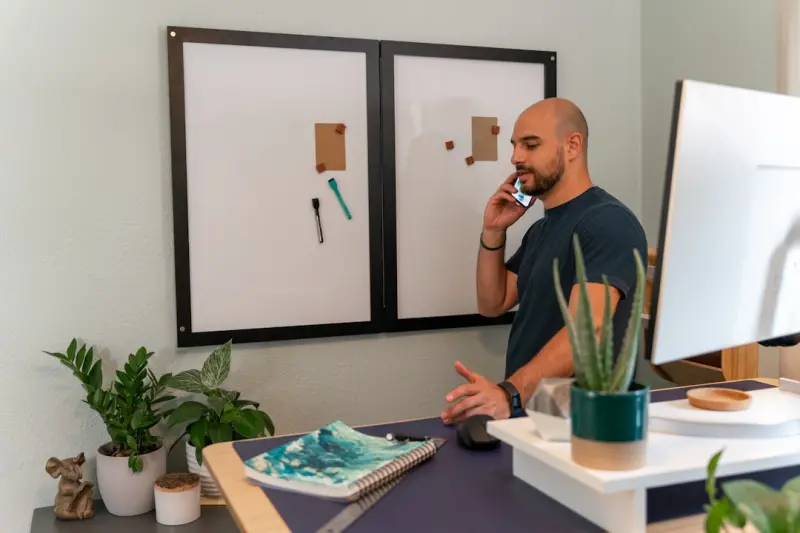
Introduction: The Remote Work Revolution and the Body’s Silent Cry
When the world shifted to home‑based offices, we all celebrated the newfound freedom of working in pajamas. Yet, beneath the comfort of a couch‑level desk, our bodies began sending quiet warnings: a stiff neck at 9 a.m., a twinge in the lower back after the third Zoom call, and a creeping fatigue that no amount of coffee could fix. As a physiotherapist who has spent years coaxing patients back from pain, I’ve learned that the modern remote workstation is a perfect storm for musculoskeletal strain. This post is my playbook for turning that storm into a gentle breeze—by weaving evidence‑based physiotherapy principles into the very fabric of your workday.
The Anatomy of a Desk‑Bound Day
Before we can fix what’s broken, we need to understand the typical rhythm of a remote worker’s day:
- Morning surge: You roll out of bed, grab a coffee, and settle into a chair that was never designed for long‑term sitting.
- Mid‑morning grind: Emails, chats, and the first video conference—head tilted forward, shoulders hunched, eyes glued to a screen.
- Lunch‑time lull: A quick bite, maybe a stroll to the fridge, but the posture rarely changes.
- Afternoon slump: Energy dips, and the body compensates with micro‑adjustments that often lead to asymmetrical loading.
- Evening wrap‑up: The final push to close tasks, often ending with a marathon of back‑to‑back meetings.
Each segment reinforces a pattern of static loading—think of it as a muscle‑memory imprint that, over weeks, can become a source of chronic pain. The good news? That imprint is malleable, and physiotherapy is the key to reshaping it.
Why Traditional Breaks Miss the Mark
Most companies advocate the classic “5‑minute stretch every hour” rule. While well‑intentioned, these breaks often become a perfunctory stare at a phone screen or a quick shoulder shrug. The problem lies in two areas:
- Duration vs. intensity: A five‑minute pause is rarely enough to reverse the cumulative load on the spine and shoulder girdle.
- Specificity: Generic stretches ignore the unique demands of each individual’s workstation setup and movement deficits.
Think of it like trying to reboot a computer with a single keystroke—you need a comprehensive reset that targets the root causes. That’s where a physiotherapist’s toolbox becomes indispensable.
The Physiotherapist’s Toolkit for Remote Workers
Below are my go‑to strategies that you can integrate without interrupting your workflow. They are grounded in biomechanical science but presented as bite‑sized actions you can perform at your desk.
1. Movement Micro‑Bites
Instead of a single, long stretch, break the day into micro‑bites—10‑second activation bursts every 20 minutes. For example:
- Neck re‑traction: Sit tall, gently tuck the chin, and pull the head straight back (not down) to elongate the cervical spine. Hold for 5 seconds, repeat three times.
- Thoracic rotation: Place a rolled‑up towel behind your lower back, cross your arms over your chest, and rotate left‑right, keeping hips stable.
- Hip flexor release: Stand, place one foot behind you, and gently rock forward while keeping your torso upright. Hold for 8 seconds each side.
These tiny movements keep the nervous system engaged, prevent the “freeze” response that comes from prolonged sitting, and improve circulation.
2. Dynamic Stretching Over Static Holds
Static stretching (holding a position) can actually increase joint laxity when performed before a task that demands stability. Opt for dynamic stretches that move through a range of motion while maintaining muscle tension. A perfect example is the standing cat‑cow—mimic the yoga flow while standing, moving the pelvis and thoracic spine in rhythm with your breath. This primes the spine for the next round of typing or mouse clicking.
3. Micro‑Load Strategies
Just as strength training relies on progressive overload, the sedentary office benefits from micro‑loads that challenge the musculoskeletal system without causing injury. Consider:
- Weighted desk work: Place a light dumbbell (1–2 kg) on your lap during a video call and perform slow bicep curls. This engages the upper limbs while you speak.
- Resistance band rows: Anchor a band to the back of your chair, pull towards your ribcage, and squeeze the shoulder blades together. Do 8–10 reps every hour.
- Isometric core holds: While standing, engage your abdominal muscles as if preparing for a punch, hold for 10 seconds, repeat five times.
These micro‑loads keep muscles “on alert,” maintaining tone and reducing the risk of atrophy.
4. Ergonomic Tweaks that Matter
Even the most diligent movement plan can be sabotaged by a poorly configured workstation. Here are three non‑negotiables:
- Screen height: The top of your monitor should be at eye level, reducing cervical flexion.
- Keyboard & mouse placement: Keep elbows close to a 90‑degree angle, wrists in neutral.
- Chair support: Use a lumbar roll or rolled‑up towel to fill the gap in the lower back, preserving the natural lordotic curve.
When you align these fundamentals, the body’s compensatory patterns dissolve, allowing your physiotherapy exercises to shine.
5. Technology as an Ally
Wearables and smart apps aren’t just for tracking steps—they can be programmed to cue movement. A simple vibration reminder every 20 minutes can signal you to stand, stretch, or perform a micro‑bite. Additionally, posture‑detecting sensors that connect to your phone can provide real‑time feedback, gently nudging you back into alignment.
For those interested in the neuro‑rehab side of things, exploring neuroscience insights can deepen your understanding of how brief, varied stimuli keep the brain engaged, which in turn supports motor learning and pain modulation.
6. Building a Culture of Movement
Physiotherapy isn’t just an individual practice; it thrives in a supportive environment. Encourage your team to:
- Adopt a movement mantra—a short phrase like “move to groove” that reminds everyone to shift posture.
- Start meetings with a 2‑minute “mobility warm‑up,” such as shoulder rolls or seated cat‑cow.
- Set up friendly challenges—who can log the most micro‑bites in a week? Use shared spreadsheets or a Slack channel.
When movement becomes a shared value, compliance soars, and the office (or virtual office) transforms into a hub of kinetic health.
Case Study: From Desk‑Bound Pain to Dynamic Productivity
Consider Maya, a senior project manager who spent 10 hours a day in front of dual monitors. She reported a constant ache in her right shoulder and a dull lower‑back pain that intensified after each meeting. After a brief physiotherapy assessment, we implemented the micro‑bite protocol, adjusted her chair height, and introduced a resistance‑band row routine.
Within two weeks, Maya’s pain score dropped from 7/10 to 2/10, and she reported a noticeable boost in concentration during long calls. Her story illustrates that consistent, small‑scale interventions—rooted in physiotherapy—can deliver rapid, meaningful results without overhauling the entire work routine.
The Long‑Term Payoff: Prevention, Performance, and Peace of Mind
By integrating these physiotherapy principles, you’re not just addressing today’s aches; you’re investing in a resilient musculoskeletal system that can withstand the inevitable stressors of the modern work environment. Benefits include:
- Reduced injury risk: Stronger stabilizing muscles protect joints.
- Enhanced productivity: Less pain translates to sharper focus and fewer sick days.
- Improved mental well‑being: Movement triggers the release of endorphins, combating the mental fatigue that often accompanies remote work.
For readers who want to explore complementary strategies, the muscle‑gain playbook offers a broader perspective on building functional strength that supports everyday tasks—whether you’re lifting a laptop or a toddler.
Putting It All Together: Your 7‑Day Action Plan
To make the transition seamless, start with this simple roadmap:
- Day 1: Conduct a quick ergonomic audit—adjust screen height, add a lumbar roll.
- Day 2: Set a timer for micro‑bites every 20 minutes; practice neck re‑traction and thoracic rotation.
- Day 3: Introduce a resistance band row during one meeting.
- Day 4: Use a wearable reminder for posture checks.
- Day 5: Lead a 2‑minute mobility warm‑up at the start of a team call.
- Day 6: Review pain levels; adjust exercise intensity if needed.
- Day 7: Celebrate progress—share a short video of your favorite micro‑bite with the team.
Consistency is the secret sauce. By the end of the week, you’ll likely notice less stiffness, a clearer mind, and a sense of empowerment over your own body.
Conclusion: Your Body Is the Best Investment
Remote work isn’t a fleeting trend; it’s reshaping how we live, think, and move. As a physiotherapist, I’m constantly reminded that the body is adaptable, but only if we give it the cues it needs. By embedding movement micro‑bites, dynamic stretches, and ergonomic mindfulness into your daily rhythm, you transform a sedentary desk into a dynamic health hub. Your muscles, joints, and nervous system will thank you—today, tomorrow, and for years to come.

Tammy French is a Montessori Teaching Assistant and freelance writer passionate about education, creativity, and inspiring lifelong learning through engaging content.
Related Posts

Fascia First: Unlocking Hidden Mobility for Desk‑Bound Professionals
Fascia, the connective tissue web, often gets ignored in workplace wellness. This article explains i... Read More
Beyond the Clinic Walls: The Virtual Reality Revolution in Physiotherapy
Virtual reality is reshaping physiotherapy by delivering immersive, data‑rich rehab experiences th... Read More
When Pixels Meet Muscles: The Rise of Data‑Driven Tele‑Physiotherapy
A deep dive into how continuous sensor data, AI-driven personalization, and human‑centred design a... Read More
Top Posts

When Sleep Becomes Canvas: Turning Narcolepsy into a Creative Superpower
Learn to transform narcolepsy’s sudden REM intrusions into a wellspring of creative ideas, using micro‑naps, dream journaling, and tech tools to boost artis...Read More

Vaping at Work: Turning a Trend into a Strategic Advantage
A deep dive into how vaping can become a performance metric, a networking tool, and a health risk—offering professionals actionable insights to turn a common ...Read More

Hidden Health‑Insurance Perks You’re Probably Missing
Explore the underused features of your health‑insurance plan—preventive services, mental‑health coverage, telehealth, and wellness stipends—and get a st...Read More

The Unspoken Truth About Men's Mental Health: A Growing Concern
Men's mental health is a growing concern that requires immediate attention. Learn about the unspoken truth, the importance of breaking the stigma, and a holisti...Read More
0 Comments
Post Comment
You will need to Login or Register to comment on this post!