
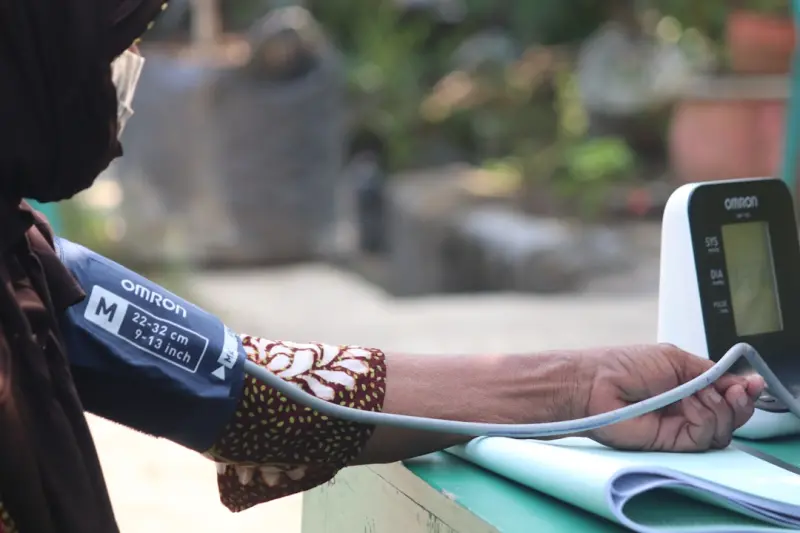
Why Blood Pressure Feels Personal
When I first saw the numbers on my cuff—140 over 90—I felt a mixture of embarrassment and curiosity, as if the reading were a secret report card on my lifestyle choices. I realized that blood pressure isn’t just a clinical metric; it’s a mirror reflecting the cumulative impact of sleep patterns, workplace stress, and even the playlists I choose during a morning jog. This realization sparked a shift in my mindset, turning the pursuit of healthier numbers into a personal experiment rather than a medical chore. Today, I approach every reading as a data point in a story I’m actively writing, and that narrative perspective has made the journey both engaging and sustainable.
Reframing the Numbers with a Storytelling Lens
Instead of treating 130/85 as a “danger zone,” I now label it a plot twist that signals a need for a new chapter of habits. By assigning narrative roles to each factor—stress as the antagonist, movement as the hero—I transform abstract statistics into characters I can influence. This storytelling approach aligns with my background in creative writing, allowing me to script small, realistic scenes that gradually lower the tension. For example, I might schedule a 10‑minute “peaceful pause” after a demanding meeting, visualizing it as a scene where the antagonist retreats, giving the hero a chance to shine.
Micro‑Movements That Shift the Scale
One of the most effective tactics I discovered was integrating micro‑movements throughout the day, turning idle moments into cardiovascular boosters without sacrificing productivity. Simple actions like standing up to stretch after every 45‑minute screen session, taking a brisk two‑minute hallway walk, or doing calf raises while waiting for coffee can cumulatively lower vascular resistance. These snippets of activity are easy to log, and over a week they add up to the equivalent of a 30‑minute moderate workout. By treating each micro‑movement as a plot point, I keep the narrative momentum alive, and my blood pressure readings have responded with a gentle, steady decline.
The Soundtrack of Calm: Using Audio to Modulate Stress
Music and ambient sound have become my covert allies in the battle against hypertension, acting like a subtle but powerful sous‑chef in the kitchen of my nervous system. I curate playlists that blend low‑frequency tones with nature sounds, playing them during high‑stress tasks to trigger the parasympathetic response. Research suggests that binaural beats can influence heart rate variability, and in my own experiments, a 15‑minute session of these sounds lowered my systolic pressure by 3–5 points on average. The key is consistency; I embed these audio sessions into my daily routine, treating them as scene transitions that cue the body to shift gears from fight‑or‑flight to rest‑and‑digest.
Nutrition Beyond Salt: A Holistic Plate Strategy
While most hypertension guides scream “cut the salt,” I found that focusing on the overall quality of the plate yields richer dividends. Incorporating potassium‑rich foods like leafy greens, sweet potatoes, and beans helps balance sodium’s effect on blood vessels, while omega‑3 fatty acids from fish or flaxseed act as natural anti‑inflammatories. I also pay attention to timing, ensuring that my largest meals occur earlier in the day to give my body ample time to process nutrients before bedtime. This approach mirrors the philosophy in seasonal eating, where the goal is to harmonize with nature’s cycles rather than fight against them.
Tech That Talks Back: Data‑Driven Self‑Coaching
Leveraging wearable technology has turned my blood pressure management into an interactive dialogue rather than a one‑way monitoring task. Devices that provide real‑time heart rate variability and cuff‑free pressure estimates feed me instant feedback, allowing me to adjust posture, breathing, or activity on the fly. I pair this data with a custom dashboard inspired by the principles in tech‑savvy health tracking, visualizing trends and setting micro‑goals that feel achievable. The sense of agency that comes from seeing the impact of a 5‑minute walk or a deep‑breathing session reinforces the habit loop, making compliance feel less like a chore and more like a game.
Community Accountability: The Power of Shared Challenges
Human beings are wired for social connection, and I discovered that inviting friends into my blood pressure journey amplifies motivation and accountability. We created a “BP Buddy” system, where each participant logs weekly readings and shares one lifestyle tweak they tried that week. This simple exchange sparked a cascade of ideas—someone introduced a “no‑caffeine after 2 PM” rule, another started a weekly walking group, and a third experimented with a mindfulness app. The collective energy turns individual data points into a shared narrative of progress, echoing the collaborative spirit found in liver health journeys that many of us have chronicled.
Sustaining the Momentum: Rituals for Long‑Term Success
To prevent the inevitable dips in enthusiasm, I anchor my blood pressure habits in rituals that align with existing routines, making them almost invisible to the conscious mind. I place my cuff next to my nightstand, pairing the evening reading of a health journal with a 2‑minute guided meditation before bed. On weekend mornings, I brew a special herbal tea and use that time to reflect on weekly progress, noting any spikes and their likely triggers. By embedding these practices into the rhythm of my day, they become as automatic as brushing teeth, ensuring that the improvements I’ve earned remain stable and continue to evolve.

Related Posts
Beyond Pills: A Holistic Playbook for Taming Blood Pressure
Learn a comprehensive, evidence‑based approach to blood pressure management that blends breathing,... Read More

Beyond Pills: Gamified Breath Work to Master Blood Pressure
A fresh, data‑driven approach to blood pressure blends gamification, breathwork, cold exposure, mi... Read More
Real‑Time Biofeedback: A New Frontier in Blood Pressure Control
Discover how continuous biofeedback integrates with daily workflows, nutrition timing, and AI insigh... Read More
Top Posts
Intergenerational Tech Hubs: A Fresh Path to Senior Vitality
Intergenerational tech hubs blend curiosity, mentorship, and digital tools to boost seniors' mental agility, emotional resilience, and overall well‑being, off...Read More
Anticipatory Rehabilitation: Turning Data into Movement Freedom
Physiotherapy is evolving into anticipatory rehabilitation, using wearables and data analytics to predict and prevent injuries before they happen, empowering pa...Read More

Unlocking Hidden Hypertrophy: A Neuro‑Mindful Blueprint for Muscle Gain
A fresh, neuro‑focused strategy for building muscle that goes beyond reps, integrating brain‑muscle link, micronutrients, sleep optimization, and tech‑dri...Read More
Nurturing Your Newborn’s Brain: A Sensory‑First Approach to Infant Health
A detailed guide for parents on how to create a calming, multi‑sensory environment that supports newborn brain development, sleep, and overall health, featuri...Read More
0 Comments
Post Comment
You will need to Login or Register to comment on this post!