
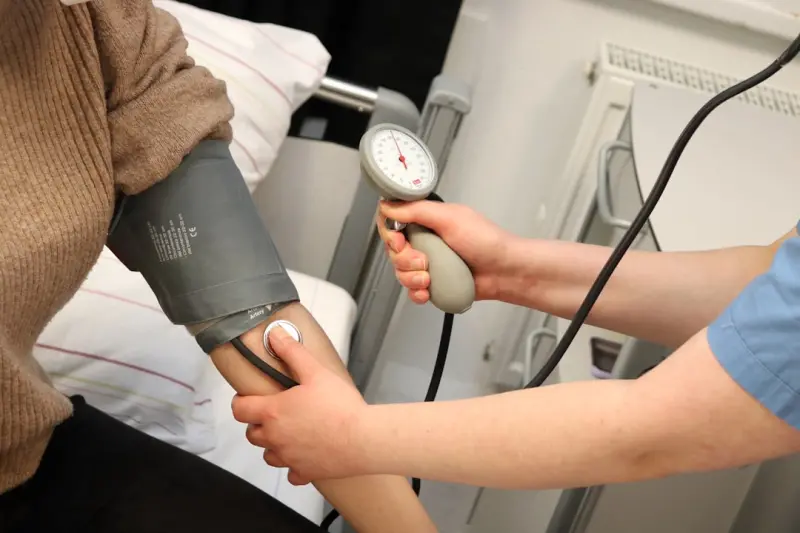
Why Blood Pressure Needs a Whole‑Person Approach
When I first stepped into my dad’s cluttered garage to tinker with his old radio, I never imagined the conversation would veer toward his hypertension medication. Yet, as we swapped stories about the “good old days,” I realized his blood pressure spikes weren’t just a medical footnote—they were a symptom of a lifestyle that had quietly drifted out of balance. The truth is, blood pressure isn’t a single‑dimensional problem that a pill can solve forever. It’s an interplay of stress, sleep, movement, nutrition, and even the subtle cues our nervous system receives from the environment. By treating it as a holistic system, we unlock strategies that complement—or even replace—pharmacology for many people.
Re‑engineering Your Daily Rhythm
Most of us think of a “routine” as a rigid checklist: wake up, coffee, commute, work, dinner, Netflix. That linear model, while convenient, often clashes with the body’s natural circadian oscillators, especially for those who juggle night shifts or erratic schedules. The key is to design a rhythm that respects the body’s need for predictable peaks and troughs. Start by anchoring the day with two non‑negotiable events: a consistent wake‑up window (even on weekends) and a wind‑down cue at least an hour before bedtime. These anchors cue the suprachiasmatic nucleus—the brain’s master clock—to regulate cortisol, a hormone that directly influences arterial tone. When cortisol spikes at the wrong time, it nudges the systolic number upward.
Micro‑Movement: The Underrated Blood Pressure Ally
We’ve all heard the mantra “move more, sit less,” but the nuance lies in how we move. Traditional cardio—running, cycling—does lower blood pressure, yet it can be intimidating for beginners or those with joint concerns. Enter blood flow restriction training. By applying a modest, safe compression band to a limb during low‑load resistance work, you trigger a cascade of hormonal and vascular adaptations that improve endothelial function—a cornerstone of blood pressure health. Even a 10‑minute session, three times a week, can enhance nitric oxide production, helping arteries stay supple and responsive.
The Breath‑Body Connection
Stress is a silent driver of hypertension. While meditation apps are popular, the simplest tool is often overlooked: intentional breathing. The slow‑paced diaphragmatic breath (inhaling for four counts, exhaling for six) activates the parasympathetic branch of the autonomic nervous system, dampening the sympathetic “fight‑or‑flight” response that tightens blood vessels. Practicing this breath for just five minutes after a stressful meeting can shave 2–4 mmHg off your systolic reading. Pair it with gentle neck rolls or shoulder shrugs, and you create a mini‑reset that recalibrates the nervous system without any equipment.
Sleep Hygiene: More Than Counting Sheep
Sleep deprivation isn’t just a foggy brain; it’s a hypertensive trigger. Short‑term sleep loss can raise blood pressure by up to 10 mmHg, while chronic insomnia builds a persistent baseline elevation. The insomnia‑proof routine I champion involves three pillars: light, temperature, and ritual. Dim the lights an hour before bed to cue melatonin; set your bedroom thermostat to a cool 65‑°F (18‑°C) to promote deeper REM cycles; and finish the day with a low‑stimulus ritual—perhaps a brief journal entry or a short stretch sequence. Consistency is the secret sauce that trains the body to unwind on cue.
Nutrition Beyond Sodium: The Hidden Electrolyte Balance
Everyone knows to “watch the salt,” but the electrolyte orchestra includes potassium, magnesium, and calcium—all of which influence vascular tone. A diet rich in leafy greens, nuts, and legumes supplies potassium, which counters sodium’s constrictive effects. Magnesium, found in pumpkin seeds and dark chocolate, relaxes smooth muscle in arterial walls. Calcium, from fortified plant milks or low‑fat dairy, stabilizes the electrical charge that drives heartbeats. Think of your plate as a electrolyte blueprint: each nutrient fine‑tunes the pressure gauge, allowing your heart to pump efficiently without overexertion.
Tech‑Enabled Monitoring Without the Gimmick
Wearable devices have exploded, but many users drown in data without actionable insight. The sweet spot is a device that tracks systolic/diastolic trends, alerts you to outliers, and integrates with a simple dashboard that suggests lifestyle tweaks—like a brief walk after a stress spike. Look for devices with validated cuff technology (as opposed to optical sensors alone) and that sync with platforms offering evidence‑based recommendations. The goal isn’t to become a data‑obsessed nerd; it’s to create a feedback loop that nudges you toward healthier choices in real time.
Mindful Distraction: Harnessing the Power of Structured Daydreaming
It sounds counterintuitive, but letting the mind wander—when done deliberately—can lower stress hormones that raise blood pressure. Structured daydreaming involves setting aside five minutes to imagine a pleasant scenario (a beach, a mountain hike) while maintaining a relaxed posture. This mental rehearsal triggers a relaxation response similar to guided imagery, reducing cortisol and, consequently, arterial tension. The trick is to keep it purposeful; random rumination often spirals into anxiety, but a guided vignette steers the brain toward calm.
Environmental Tweaks That Quiet the Vascular System
Our surroundings are louder and brighter than ever, and both light and noise can nudge blood pressure upward. Blue light from screens suppresses melatonin, while persistent low‑frequency noise (traffic, HVAC) elevates sympathetic activity. Mitigate these by installing amber‑tinted glasses in the evening, using white‑noise machines or earplugs for nighttime, and adding indoor plants that absorb pollutants—some studies suggest cleaner air reduces systemic inflammation, a hidden contributor to hypertension.
Social Connection as a Cardiovascular Buffer
Loneliness is a silent hypertension risk factor. Engaging in regular, supportive social interactions—whether a weekly coffee with a friend or a community volunteering gig—creates oxytocin surges that soften the stress response. The oxytocin release acts as a natural vasodilator, subtly widening blood vessels and easing pressure. If you’re juggling a hectic schedule, aim for brief, meaningful exchanges: a 10‑minute video call, a quick walk with a neighbor, or a shared hobby group. The cumulative effect of these micro‑connections can be as potent as a daily dose of medication.
Putting It All Together: A 30‑Day Blood Pressure Blueprint
To translate theory into habit, try this structured plan. Week 1: Anchor your wake‑up and bedtime, introduce slow breathing after each stressful episode. Week 2: Add two 10‑minute blood‑flow‑restriction sessions and a daily potassium‑rich snack. Week 3: Implement the insomnia‑proof routine, replace evening screens with amber light, and log your sleep quality. Week 4: Incorporate structured daydreaming, schedule a social touchpoint, and review wearable data for trends. At the end of the month, compare your average readings to baseline. Many readers report a 5–10 mmHg reduction—a clinically meaningful shift that can delay or even eliminate the need for medication in early‑stage hypertension.
Final Thoughts: Empowerment Over Prescription
Managing blood pressure isn’t a battle you fight in isolation; it’s a symphony of daily choices that, when tuned together, produce a harmonious cardiovascular rhythm. The real power lies in recognizing that each lever—breath, movement, sleep, nutrition, connection—offers a measurable impact. By weaving these strands into a cohesive lifestyle, you not only lower numbers on the cuff but also gain a deeper sense of agency over your health. Remember, the goal isn’t to replace your doctor’s advice but to complement it with evidence‑based, sustainable practices that keep your heart humming smoothly for years to come.

Related Posts

Quiet Zones: How Your Environment Can Naturally Lower Blood Pressure
Explore how simple adjustments to light, temperature, sound, and everyday technology can create a ca... Read More

Rhythms, Relationships, and Simple Swaps: A Fresh Playbook for Managing Blood Pressure
A personal, science‑backed guide reveals how rhythm, community accountability, strategic food swap... Read More

Micro‑Movements and Breathwork: A Fresh Playbook for Stable Blood Pressure
A fresh approach to blood pressure control using micro‑movements, breathwork, flavorful foods, and... Read More
Top Posts

Narrative Medicine: Redefining the Cancer Journey
A deep dive into how integrating patient stories into oncology care can boost resilience, improve treatment adherence, and humanize the cancer experience....Read More
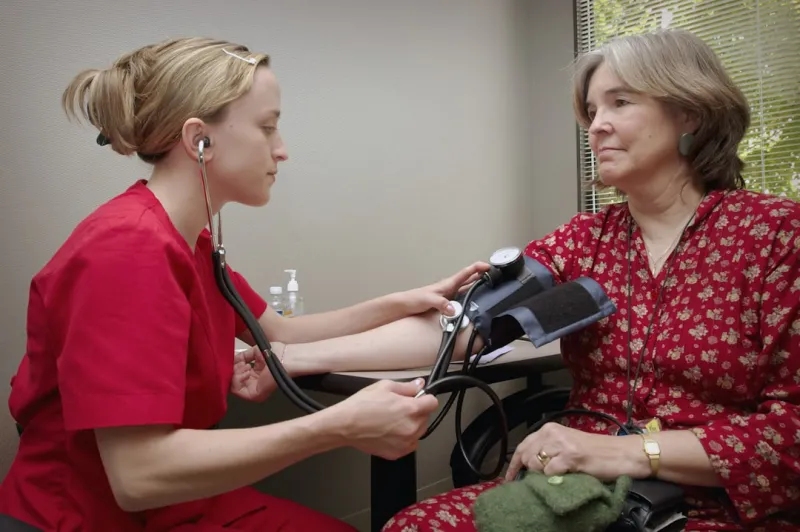
My Holistic Blueprint for Managing Blood Pressure Naturally
Nikki McDonald shares her personal, holistic plan for lowering blood pressure through diet, movement, stress control, sleep, and gut health....Read More

The Healing Power of Sound: Crafting Auditory Sanctuaries for Mental Well‑Being
Discover how intentional listening and personalized soundscapes can transform anxiety into calm, enhance focus, and foster deeper connections—all without medi...Read More

Nurturing Your Newborn’s Immune System: Practical Steps for Parents
A newborn’s immune system is a work in progress. Learn how simple daily habits like skin‑to‑skin contact, probiotic‑rich foods, clean indoor air, and pa...Read More
0 Comments
Post Comment
You will need to Login or Register to comment on this post!