

Why Intergenerational Tech Hubs Are the Secret Sauce for Senior Vitality
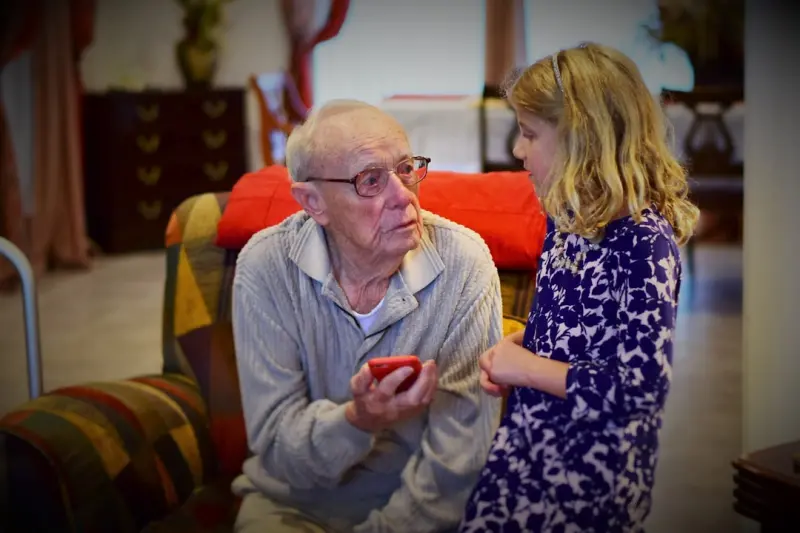
When I first stepped into a co‑working space that proudly displayed a sign reading “All Ages Welcome,” I expected to see a crowd of buzzing millennials and maybe a few curious retirees. What I actually found was a vibrant tapestry of people—high‑school students coding side‑by‑side with retirees knitting digital stories, teenagers teaching grandparents how to set up video calls, and older adults sharing their lifetime of wisdom while learning to navigate a tablet.
That moment flipped a switch in my mind. For too long, senior health has been framed around preventive medicine, exercise routines, and nutrition plans. While those are undeniably important, they often miss a critical piece of the puzzle: social connection that feels purposeful, reciprocal, and technologically current. Intergenerational tech hubs—physical or virtual spaces where people of different ages learn, create, and solve problems together—are emerging as a powerhouse for mental, emotional, and even physical health among seniors.
The Science Behind “Learning Together”
Research in cognitive neuroscience shows that the brain thrives on novelty and challenge. When seniors engage in activities that push them slightly out of their comfort zone—like mastering a new app or collaborating on a community‑driven podcast—they stimulate neuroplastic pathways that help preserve memory, attention, and processing speed. The concept of “brain fitness” is not new; you can read more about it in Neuro‑Fitness: Building Brain Strength with Adaptive Learning Loops, which explains how adaptive learning loops can keep the mind sharp.
But there’s a social twist: learning in a mixed‑age environment releases oxytocin, the “bonding hormone,” which in turn lowers cortisol (the stress hormone). Lower stress translates into better sleep, improved immune response, and a reduced risk of chronic inflammation—all key pillars of senior health.
Four Core Benefits That Seniors Experience
- Enhanced Cognitive Reserve: Regular exposure to new digital tools builds mental flexibility and helps delay age‑related cognitive decline.
- Emotional Resilience: Feeling needed and valued by younger participants boosts self‑esteem and combats loneliness, a known risk factor for depression and heart disease.
- Physical Activity—Without the Gym: Hands‑on tech projects often involve moving around—setting up equipment, reaching for supplies, or even dancing while learning a TikTok trend.
- Financial Savvy: Seniors who become comfortable with online banking, budgeting apps, and e‑commerce can protect themselves from scams and maintain greater independence.
Designing the Perfect Hub: What Really Works
Creating a space that feels inviting to both teenagers and retirees isn’t as simple as throwing together a few desks and a Wi‑Fi router. Below are the design principles I’ve gathered from visiting successful hubs across the country.
1. Accessibility First
Large‑print signage, adjustable lighting, and furniture with easy‑to‑grip armrests are non‑negotiable. Tech stations should include adaptive keyboards, screen‑magnification software, and voice‑controlled assistants. When the environment respects physical limitations, participants can focus on learning rather than on navigating obstacles.
2. Mixed‑Skill Workshops
Instead of “Beginners vs. Advanced,” design sessions that pair a “skill‑share” model: a senior who knows gardening can teach a teen about soil health while the teen teaches the senior about photo editing. The reciprocal nature of the exchange keeps ego bruises at bay and creates genuine mentorship loops.
3. Low‑Pressure “Play” Zones
Think of these as digital sandboxes—areas where participants can experiment with AR/VR headsets, 3D printers, or simple coding platforms without fear of failure. The goal is pure curiosity, not certification. A playful mindset aligns perfectly with the idea of micro‑habits, which you can explore further in Micro‑Habits & AI: A Fresh Playbook to Outsmart Prediabetes. Small, enjoyable tech interactions become habit‑forming loops that reinforce brain health.
4. Community‑Driven Content Calendar
Let members vote on upcoming topics. Some weeks could focus on “Digital Storytelling for Family History,” while others dive into “Creating a Personal Podcast.” Giving seniors agency over the agenda fuels ownership and ensures relevance.
Success Stories: Real‑World Transformations
Maria, 71, from Portland entered a hub feeling isolated after her spouse passed away. She signed up for a “Digital Photo Album” workshop. Within weeks, she not only mastered drag‑and‑drop editing but also produced a 30‑minute video memoir that she shared with her grandchildren. The project sparked weekly virtual meet‑ups, giving her a regular reason to smile and stay socially active.
Jamal, 16, from Detroit thought his older neighbors were “old‑school.” After collaborating on a community garden app, he realized they possessed a depth of knowledge about local ecosystems that no textbook could match. Their collaboration earned a city award for “Innovative Civic Engagement,” and Jamal now volunteers as a tech mentor for other seniors.
These anecdotes illustrate a single truth: when seniors feel useful, they are more likely to adopt healthy habits—whether that means taking their medication on time, walking a few extra steps, or simply reaching out for a check‑in call.
Overcoming Common Barriers
Even the most thoughtfully designed hub can hit stumbling blocks. Below are the hurdles I’ve observed and strategies to move past them.
Fear of Technology
Start with “low‑stakes” tools—voice assistants like Alexa or Google Home, which respond to natural language. Celebrate every successful command as a win. Over time, confidence builds, and seniors become curious about deeper functionalities.
Transportation Challenges
Partner with local transit agencies to provide discounted rides. Alternatively, bring the hub to seniors by setting up pop‑up stations at senior centers, libraries, and assisted‑living communities.
Generational Stereotypes
Facilitate ice‑breaker activities that highlight common interests—music, cooking, storytelling—before diving into tech. When participants see each other as humans first, the age gap fades.
Resource Constraints
Many hubs begin with modest budgets. Seek grants focused on aging, digital inclusion, or community development. Crowdfunding campaigns that showcase tangible outcomes (e.g., a senior’s first video call with a distant grandchild) often attract generous donors.
Measuring Impact: What to Track
To justify continued investment, gather data that reflects the holistic benefits of the hub.
- Engagement Metrics: Attendance rates, repeat visits, and hours spent on devices.
- Cognitive Assessments: Simple pre‑ and post‑tests (e.g., word‑list recall) to gauge mental agility.
- Emotional Well‑Being Surveys: Short questionnaires measuring loneliness, confidence, and sense of purpose.
- Physical Activity Logs: Steps counted during workshops that require movement.
- Financial Literacy Scores: Confidence in using online banking or budgeting apps.
When the numbers show upward trends, you have a compelling case to expand the program, attract sponsors, and replicate the model in other neighborhoods.
Future Outlook: From Hubs to “Digital Villages”
Imagine scaling the concept beyond a single room into an entire “digital village.” In such a scenario, each block could host its own specialty—one for virtual reality tours of museums, another for AI‑assisted health monitoring, and a third for collaborative art projects. Seniors would navigate the village using a simple app that suggests events based on personal interests and mobility levels.
This vision aligns with the broader societal shift toward inclusive design, where age is considered a factor from the start, not an afterthought. As municipalities adopt “Age‑Friendly” policies, funding streams for intergenerational tech hubs will likely become more accessible.
Getting Started: Your First Steps
- Identify a Partner: Reach out to a local senior center, school, or community college willing to co‑host a pilot program.
- Secure a Space: Look for a room with good natural light, wheelchair‑accessible entrances, and reliable internet.
- Gather Tech: Start with a handful of tablets, a smart speaker, and a projector. You can borrow equipment from libraries or apply for tech‑donation programs.
- Recruit a Mixed‑Age Team: Invite a few tech‑savvy volunteers and a couple of seniors who are eager to share their life stories.
- Launch a “Welcome Workshop”: Keep it simple—teach participants how to turn on a device, adjust volume, and open a web browser.
- Collect Feedback: Use quick polls after each session to refine the curriculum.
Remember, the magic isn’t in the gadgets; it’s in the connections they enable.
Conclusion: A Simple Invitation
Senior health isn’t just about pills and physiotherapy. It’s about feeling engaged, needed, and excited about the world that keeps changing around us. Intergenerational tech hubs offer a low‑cost, high‑impact avenue to nurture those feelings. By bridging the generational divide, we create ecosystems where wisdom meets curiosity, and together they forge a healthier, happier future for everyone.

Related Posts
Why Lifelong Curiosity Is the Secret Sauce for Senior Well‑Being
Becky Putman shares how embracing curiosity can transform seniors' mental, physical, and emotional h... Read More

Reimagining Senior Wellness Through Community and Purpose
A fresh look at senior health: building purpose, social ties, and tech-savvy habits to enhance wellb... Read More
Finding New Energy: How Seniors Can Thrive Through Community Gardening
Explore the holistic benefits of community gardening for seniors—improved mobility, sharper cognit... Read More
Top Posts

The Unspoken Ritual: How Vaping Shapes Our Daily Micro‑Moments
Vaping silently infiltrates our daily micro‑moments, turning idle pauses into habit loops. This article uncovers the psychological triggers, social cues, and ...Read More

Mental Health in the Modern World: Breaking Down Barriers
Mental health is a critical component of our overall well-being. Learn how to prioritize mental health, break down barriers, and create a supportive environment...Read More

Rethinking Vaping: The Quiet Ritual That Shapes Identity and Belonging
Vaping is more than a nicotine habit; it’s a subtle choreography that signals identity, fosters social bonds, and can be turned into a mindful practice for he...Read More

When Sleep Apnea Sneaks Into the Boardroom: A Wake‑Up Call
Untreated sleep apnea silently undermines executive performance, leading to reduced focus, poor decisions, and higher health costs. This article reveals the bus...Read More
0 Comments
Post Comment
You will need to Login or Register to comment on this post!