

Rethinking Liver Wellness in a Fast‑Paced World
When most of us think about liver health, the conversation instantly jumps to “detox teas,” “cleanse diets,” or a vague admiration for the organ’s “detox” super‑powers. I’ve spent years navigating wellness trends, and I’ve learned that the liver deserves far more nuance than a 30‑day juice fast. It’s not just a chemical processing plant; it’s a metabolic conductor, a circadian partner, and a silent sentinel against the everyday pollutants we invite into our homes.
The Liver’s Real‑World Job Description
At its core, the liver is the body’s biggest biochemical factory. It balances blood sugar, stores vitamins, manufactures essential proteins, and recycles cholesterol. It also manages the breakdown of hormones, medications, and environmental toxins. This multitasking makes it uniquely vulnerable to modern stressors—late‑night screen time, irregular meals, and the invisible cocktail of micro‑plastics that linger in our water.
Debunking the “Detox” Myth
Let’s get one thing straight: the liver doesn’t need a “detox” in the traditional sense because it’s already equipped to neutralize and eliminate waste. What many “detox” programs promise is actually a short‑term reduction in caloric intake or a temporary shift in macronutrient ratios, which can give the illusion of “cleansing.” The real work is supporting the liver’s natural pathways through consistent lifestyle choices, not a single 7‑day cleanse.
Circadian Rhythm: The Liver’s Clockwork Partner
Our bodies run on a 24‑hour internal clock, and the liver is a star player in that rhythm. Research shows that liver enzymes responsible for glucose production peak during the early morning hours, preparing us for the day ahead. When we consistently eat late or stay up scrolling, we throw this schedule off balance, leading to “non‑alcoholic fatty liver disease” (NAFLD) risk spikes.
One practical tweak is time‑restricted eating. By narrowing your eating window to, say, 10 am‑6 pm, you give the liver a predictable fasting period each night, allowing it to complete its detoxification and repair cycles without interruption.
Nutrition That Talks to the Liver, Not At It
Instead of focusing on “liver‑friendly” diets that sound like a marketing gimmick, think about the quality and distribution of nutrients.
- Healthy Fats: Omega‑3 fatty acids from wild salmon, walnuts, and flaxseed help reduce liver inflammation. They also modulate the production of VLDL particles, keeping blood lipids in check.
- Fiber‑Rich Plants: Soluble fiber from oats, beans, and apples binds bile acids, prompting the liver to use cholesterol to replace them—an elegant way to lower LDL levels.
- Polyphenol Powerhouses: Foods like berries, green tea, and turmeric supply antioxidants that support the liver’s own glutathione system, the master detox molecule.
- Protein Timing: Distribute protein evenly across meals. This steadies amino‑acid availability for the liver’s synthesis of albumin and clotting factors.
When you pair these foods with a gut‑brain connection lens, you’ll notice that a thriving microbiome also feeds the liver via the portal vein, delivering short‑chain fatty acids that bolster liver health.
Environmental Toxins: The Unseen Burden
From the plastic water bottles we sip to the household cleaners we spray, low‑level toxins accumulate in our system. The liver’s job is to transform these lipophilic compounds into water‑soluble forms for excretion, a process that can become overtaxed.
Here are three low‑effort changes that cut exposure dramatically:
- Swap Plastic for Glass or Stainless Steel. Even BPA‑free plastics can leach chemicals when heated.
- Choose Fragrance‑Free Cleaning Products. Synthetic fragrances contain phthalates, which are processed by the liver.
- Ventilate Your Kitchen. Cooking on high heat releases volatile organic compounds (VOCs) that the liver must detoxify.
Stress, Sleep, and the Liver’s Recovery Mode
Chronic stress spikes cortisol, which in turn raises blood glucose and forces the liver to work overtime to regulate it. Likewise, poor sleep diminishes the production of growth hormone, a key player in liver regeneration. The solution isn’t a “stress‑free life” (which is impossible) but intentional recovery rituals:
- Evening Wind‑Down: Dim lights an hour before bed to cue melatonin, supporting the liver’s nocturnal repair.
- Micro‑Movement: Gentle stretching or a brief walk after a stressful meeting helps lower cortisol peaks.
- Breathwork: Five minutes of diaphragmatic breathing can shift the autonomic nervous system, easing the liver’s metabolic load.
Tech Tools That Actually Help, Not Hype
While we’re cautious about “smart” gimmicks, a few evidence‑based technologies can empower you to monitor liver wellness without invasive tests.
Wearables that track heart rate variability (HRV) give indirect insight into autonomic balance, which correlates with liver stress. Mobile apps that log food timing and macronutrient composition can highlight patterns that may be overloading the liver.
For those caring for older adults, senior‑focused health platforms now include liver‑function dashboards, letting families spot concerning trends early.
Practical “Mini‑Interventions” for Everyday Liver Care
Below is a checklist you can integrate into your daily routine. Each item takes less than five minutes but collectively offers a compound benefit over weeks.
- Hydrate with Filtered Water – Aim for 2 L spread evenly; water is the medium for toxin excretion.
- Start the Day with Lemon‑Infused Warm Water – The mild citric acid supports bile flow.
- Consume a Small Portion of Fermented Foods (kimchi, sauerkraut) to feed the gut‑liver axis.
- Schedule One “No‑Screen” Hour Before Bed – Reduces blue‑light disruption of circadian rhythm.
- Practice a 5‑Minute Evening Gratitude Routine – Lowers stress hormones, giving the liver breathing room.
- Take a Weekly “Fast‑Friendly” Meal – A light broth with veggies between 6 pm‑8 pm encourages overnight liver repair.
When to Seek Professional Insight
If you notice persistent fatigue, unexplained abdominal discomfort, or abnormal blood work (elevated ALT/AST), it’s time to consult a hepatologist. Early detection of conditions like NAFLD or early‑stage fibrosis can dramatically improve outcomes, especially when paired with lifestyle modifications.
Reframing Liver Health as Everyday Empowerment
The liver isn’t a mysterious “detox” machine that only needs occasional attention. It’s a dynamic organ that thrives on rhythm, balanced nutrition, and reduced toxin exposure. By aligning our modern habits with the liver’s natural cycles, we turn an often‑overlooked organ into a cornerstone of vitality.
So next time you hear the phrase “liver health,” think beyond cleanses. Think about sleep, timing, food quality, and the quiet, steady work your liver does each day—because supporting it is the most sustainable way to support yourself.

Kelly Reynolds is a dynamic freelance writer hailing from the picturesque landscapes of Alberta. A master of the written word, she juggles her passion for storytelling with the exhilarating chaos of being a mother to five spirited children. With an impressive portfolio that spans various genres, Kelly captivates readers through her engaging blog posts and thought-provoking articles.
Related Posts

When the Clock Ticks: Aligning Your Workday with Liver Rhythm
Learn how the liver’s internal clock interacts with today’s hybrid work patterns and get practic... Read More
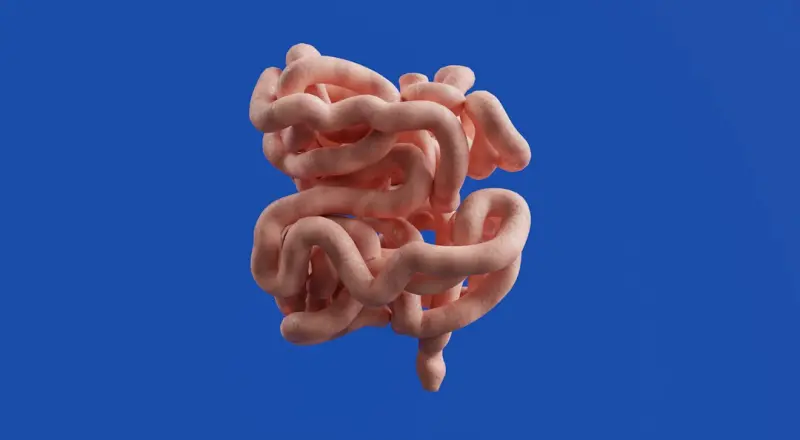
Rethinking Liver Health: The Microbiome‑Liver Connection and Digital Tools
Discover how a thriving microbiome, smart eating windows, and wearable insights can transform liver ... Read More

Seasonal Sync: A Fresh Approach to Nourishing Your Liver
Explore a fresh, seasonal strategy to nurture your liver through diet, mindfulness, sleep, and movem... Read More
Top Posts

Finding Voice in the Silence: A Personal Journey Through Eating Disorders
A heartfelt narrative reveals how creativity, community storytelling, and integrative health strategies can reshape the silent battle with eating disorders....Read More
Micro‑Moments: Tiny Rituals That Rewire Your Brain for Calm
Micro‑moments are brief, intentional pauses that reset the nervous system, improve focus, and build lasting emotional resilience. Learn how to weave these tin...Read More
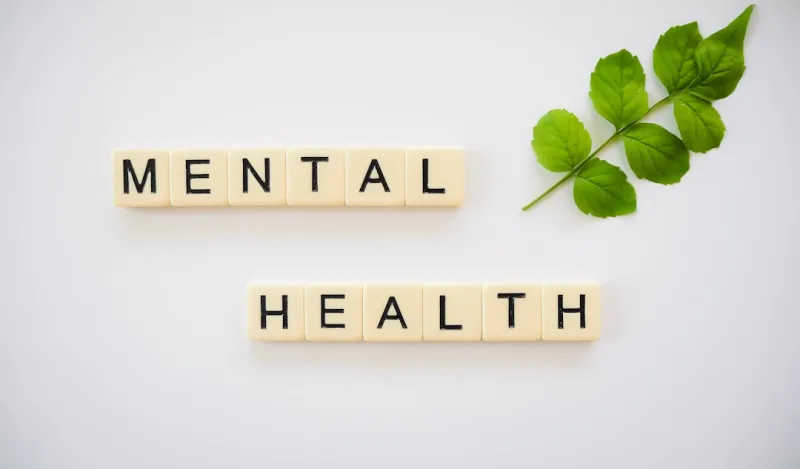
The Complex Relationship Between Mental Health and Weight Loss
Mental health and weight loss are intricately linked. Learn how stress, emotional eating, and nutrition impact your weight loss journey and find tips for a holi...Read More

Beyond the Clouds: Unpacking Vaping’s Hidden Environmental Footprint
Vaping isn’t just a personal habit; it’s an environmental issue too. This article reveals how disposable devices, flavor chemistry, and e‑waste affect our...Read More
0 Comments
Post Comment
You will need to Login or Register to comment on this post!