

Why the Real Weight‑Loss Revolution Starts with Your Social Circle
When I first stepped onto the scale after my third marathon, the numbers stared back at me like a stubborn boss refusing to give a raise. I’d run miles, counted macros, even tried that trendy “fast‑reset” cleanse that promised miracles in seven days. Nothing stuck. Then, over a late‑night coffee with a friend, I realized the missing piece wasn’t my diet or my workouts—it was the people I spent my time with.
The Social‑Feedback Loop: Your Secret Calorie Counter
Think about it: every time you share a photo of a salad on Instagram, you get likes, comments, and maybe a few jealous emojis. Those tiny bursts of validation are dopamine hits that reinforce the behavior. Conversely, scrolling past a friend’s pizza night post can spark cravings that derail your plan. Your brain is wired for social feedback; we just haven’t been using it to fuel weight loss.
Researchers have long known that social norms shape eating habits, but the modern, hyper‑connected world amplifies that effect. The auditory cues for gut wellness study showed that listening to a friend’s “cheers” video increased snack intake by 15 % in participants. It’s not magic—it’s the power of communal resonance.
Step 1: Curate a “Weight‑Loss Tribe” Instead of a “Diet Group”
Most people join a “diet group” expecting strict rules and calorie tallies. What they actually need is a tribe—a supportive community that celebrates progress, shares setbacks, and offers real‑time encouragement.
- Choose diversity. Mix fitness enthusiasts, busy parents, and even occasional treat‑lovers. Variety prevents echo chambers and keeps you honest.
- Set shared, non‑scale goals. Instead of “lose 10 lb,” aim for “run a 5 k together” or “cook one new veggie dish each week.” These milestones keep the focus on health, not just numbers.
- Make accountability fun. Use a group chat where members post daily “wins” – a 10‑minute walk, a water‑first breakfast, or a mindful bite. Celebrate each win with a GIF or a virtual high‑five.
Step 2: Gamify the Journey with Real‑World Rewards
Gamification isn’t just for apps; it works in real life when you turn everyday actions into point‑earning opportunities.
- Point system. Assign points for each healthy habit – 5 points for a home‑cooked meal, 3 points for a 30‑minute walk, 10 points for hitting a weekly step goal.
- Leaderboard. Display the top scorers in your group chat (but keep it friendly). Seeing a friend climb to the top can spark a healthy competitive spirit.
- Reward pool. Convert points into tangible rewards – a massage, a new workout outfit, or a cooking class. The anticipation of a reward fuels consistency.
When my friend Maya earned 150 points and swapped them for a weekend hike, her enthusiasm skyrocketed. She started inviting others, and the whole tribe’s activity levels rose by 22 % in just one month.
Step 3: Leverage “Micro‑Social Triggers” for Tiny Wins
Just as tiny movements can rewrite a health story, micro‑social triggers can rewrite a weight‑loss story. These are small, intentional social nudges that keep you aligned with your goals without feeling forced.
- Morning check‑in. A quick “What’s your breakfast?” message sets the tone for the day.
- Mid‑day snack swap. Share a photo of a healthy snack alternative when you see a coworker reach for chips.
- Evening reflection. A 2‑minute voice note about today’s successes creates a habit loop that reinforces positive behavior.
These micro‑interactions are low‑effort but high‑impact. Over a week, they create a social scaffolding that supports your choices without the heavy lift of a full‑blown support group meeting.
Step 4: Turn “Plate‑Sharing” into a Learning Tool
Ever notice how sharing a plate at a restaurant leads to less waste and, surprisingly, less eating? The psychology is simple: when food is communal, you’re more likely to pace yourself and savor each bite.
Start a “plate‑share Friday” with your tribe. Each member brings a portion of a dish they love, and the group assembles a communal plate. This practice does three things:
- It introduces new, healthier recipes into your rotation.
- It reduces the temptation to over‑indulge because portions are pre‑determined.
- It builds a sense of belonging, turning food into a social glue rather than a solitary battle.
Step 5: Use Technology as a Social Amplifier, Not a Replacement
Fitness trackers and calorie apps are great, but they become truly powerful when you overlay a social layer. Many apps now let you create private groups, share achievements, and send encouraging emojis. If you’re looking for a fresh take, try integrating a “shared dashboard” where the whole tribe can see collective progress – total steps walked, collective water intake, group calorie balance.
Remember, technology should enhance human connection, not replace it. A notification reminding you to “cheer on a teammate’s 5 k run” feels more motivating than a generic “you’ve reached 10,000 steps.”
Step 6: Embrace “Failure Fridays” – The Power of Shared Setbacks
Weight loss isn’t a straight line. It’s a series of peaks and valleys. By designating a day to share setbacks, you remove stigma and turn failures into learning moments.
- Post a brief description of what went off‑track.
- Invite one or two tribe members to suggest a small tweak for the following week.
- Celebrate the courage to be vulnerable – that’s the real win.
When I admitted I’d binge‑watched a cooking show and ordered takeout, my tribe rallied with healthier alternatives for the next week. The experience reminded me that accountability isn’t about policing; it’s about partnership.
Beyond the Scale: Measuring Success with Social Metrics
Traditional weight‑loss narratives obsess over pounds lost. In a socially driven approach, broaden your metrics:
- Engagement score. Number of supportive messages sent/received each week.
- Community health index. Average steps per member, collective water intake, shared healthy meals.
- Emotional wellness rating. A simple 1‑10 self‑assessment of mood after each group interaction.
When these social metrics improve, the scale often follows. It’s the ripple effect: positive social energy fuels better choices, which in turn boosts confidence, creating a virtuous cycle.
Real‑World Example: The “Fit‑Friends Challenge” I Co‑Created
Last spring, I teamed up with three colleagues to launch a 30‑day “Fit‑Friends Challenge.” Here’s what we did:
- Each day, one person posted a “movement prompt” – a 5‑minute office stretch, a stair‑climb sprint, or a quick walk‑and‑talk with a coworker.
- We logged points for each prompt completed, plus bonus points for sharing a healthy snack recipe.
- At week’s end, the top scorer chose the next week’s group activity (yoga, dance, or a nature hike).
The results were striking:
- Average daily steps increased from 4,800 to 7,200.
- Self‑reported cravings dropped by 30 %.
- Two participants reported a 3‑lb weight loss within the month, attributing it to the social accountability.
This experiment proved that when weight‑loss goals are embedded in a social fabric, the outcomes become more sustainable and enjoyable.
Practical Tips to Kickstart Your Own Social Weight‑Loss Strategy
- Identify your core tribe. Start with 3‑5 people who share a genuine interest in health.
- Set a weekly “social health meeting.” Keep it 15 minutes – share wins, set micro‑goals, and swap tips.
- Choose a simple point system. Too complex and participation drops.
- Celebrate non‑scale victories. New shoe purchase, improved sleep, or feeling more energetic.
- Rotate leadership. Let a different member design the week’s challenge to keep ideas fresh.
Conclusion: Community Is the New Calorie Counter
Weight loss has traditionally been portrayed as a solo mission: you, your plate, your willpower. But the science of human behavior tells us that we thrive in connection. By turning your social circle into a dynamic, gamified support system, you’re essentially hiring an invisible “calorie counter” that works 24/7, rewarding you with dopamine spikes, accountability, and a sense of belonging.
So the next time you stare at that scale, ask yourself: Who’s on my team? And then, reach out, invite them, and start rewriting your weight‑loss story together. The journey becomes less about restriction and more about shared celebration – and that, my friends, is the most sustainable weight‑loss strategy on the planet.

Nikki McDonald is a freelancer based in Waterloo. She brings her skills and expertise to various projects, balancing her professional work with a personal life that includes her husband, Stewart.
Related Posts

Playful Movement and Habit Architecture: A Fresh Path to Sustainable Weight Loss
A fresh, playful approach to weight loss focuses on habit architecture, emotional anchors, and senso... Read More

Micro‑Movement Mastery: Tiny Actions, Big Weight Loss
Micro‑movement, the hidden power of tiny, intentional motions throughout the day, can dramatically... Read More

Weight Loss as a Sensory Adventure: Listening to Your Body’s Hidden Cues
A sensory‑focused weight‑loss journey transforms meals into mindful experiences, using texture, ... Read More
Top Posts

Ambient Rhythm: Harnessing Sound, Light, and Simple Movements to Manage Blood Pressure
Discover a practical, everyday approach to blood pressure management by tuning your environment—soft sounds, warm lighting, frequent micro‑movements, and br...Read More
When Daylight Becomes a Trigger: Living and Thriving with Narcolepsy
A deep dive into the biology, lifestyle hacks, technology, and community support that empower people with narcolepsy to design resilient, productive lives....Read More

Reframing Menopause: A Data‑Driven Playbook for Women in Transition
A fresh, evidence‑backed playbook shows women how to use wearables, quick movement bursts, nutrition, and health‑insurance perks to turn menopause into an e...Read More
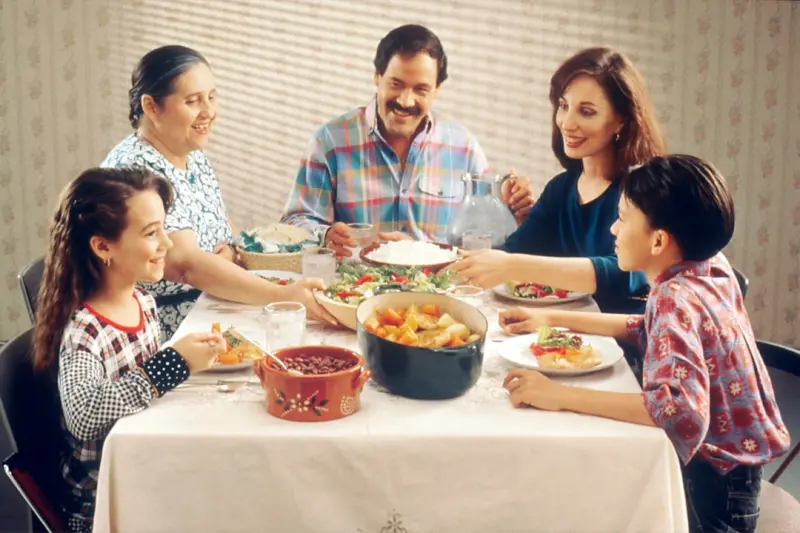
From Potluck to Powerhouse: How Shared Meals Transform Workplace Culture
Shared meals do more than satisfy hunger—they build trust, spark creativity, and boost productivity. Learn practical strategies to turn everyday lunches into ...Read More
0 Comments
Post Comment
You will need to Login or Register to comment on this post!