
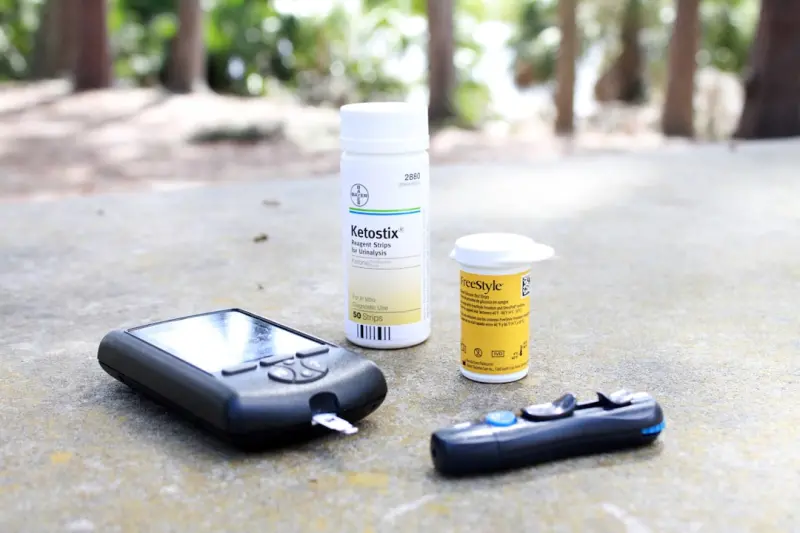
Why Treating Blood Sugar Like a Personal Finance Project Can Change the Game
Imagine you’re looking at your bank statement every week. You see deposits, withdrawals, and that lingering mystery fee you can’t quite place. You adjust your spending, set a budget, and maybe even automate savings. Now, what if you applied the exact same discipline to the way you manage your glucose?
That’s the lens I’ve been using for the past year—turning blood sugar control into a “glucose budget.” It’s not about strict calorie counting or endless carb‑free meals. It’s about giving yourself a clear, actionable framework that lets you make smart decisions, reward progress, and stay accountable without feeling like you’re living in a laboratory.
The “Glucose Budget” Blueprint
At its core, a glucose budget is three things:
- Income: The carbohydrate calories you intentionally introduce into your day.
- Expenses: The spikes and dips that happen when you eat, move, stress, or sleep.
- Balance: The difference between the two, which you aim to keep within a healthy range.
Just as you’d track money, you can track carbs, fiber, and protein, then compare those numbers to how your body reacts. The magic happens when you start seeing patterns—like a particular snack consistently causing a “late‑afternoon dip,” or a 20‑minute walk after lunch smoothing out a post‑meal spike.
Micro‑Habits Over Mega‑Changes
Most blood‑sugar advice leans heavily on “big leaps”—cutting all sugar, adopting a strict keto plan, or doing a full‑body workout every day. Those tactics can work, but they also create a binary mindset: you’re either “on track” or “off the rails.”
Micro‑habits flip that script. Instead of a massive dietary overhaul, you add tiny, repeatable actions that nudge your glucose in the right direction. Here are a few that have become staples in my own glucose budget:
- Fiber first, carbs later: A tablespoon of chia seeds or a handful of nuts before a carbohydrate‑rich meal can blunt the spike.
- Hydration cue: Drinking a glass of water 10 minutes before eating acts as a signal to your digestive system, slowing absorption.
- Movement minutes: A two‑minute march around the office after lunch, or a quick stair climb, can shave off 10–15 minutes from the peak.
- Stress‑check pause: Setting a five‑minute alarm to breathe deeply before a high‑stress meeting helps keep cortisol‑driven glucose spikes at bay.
Because these habits are small, they’re easy to adopt and, more importantly, easy to sustain.
Data‑Driven Feedback Without the Spreadsheet Overload
Now, I’m not a fan of endless spreadsheets. I prefer visual, bite‑size data that tells a story at a glance. A simple line chart on your phone showing glucose trends over a week, overlaid with color‑coded “income” and “expense” blocks, does the trick. It’s like a personal health dashboard that you can glance at before a meeting or during a coffee break.
If you’re already using a continuous glucose monitor (CGM), most devices let you export data. Many third‑party apps turn that raw data into the kind of budget visualization we’re talking about. The key is to keep the view high‑level: look for weekly averages, peak times, and recovery rates, not every single minute‑by‑minute fluctuation.
Gamify It: Turning Numbers Into Narrative
People love games because they provide immediate feedback, clear goals, and a sense of progress. By turning your glucose budget into a game, you can tap into that same motivation. Here’s a framework that works without feeling gimmicky:
- Set a weekly “spending limit”: For example, aim to keep post‑meal spikes under 140 mg/dL for at least five out of seven days.
- Earn “points” for good habits: Each time you hit a micro‑habit, you earn a point. Accumulate points to “unlock” a reward—maybe a new kitchen gadget or a weekend hike.
- Community leaderboard: Share your weekly scores with a trusted group—friends, a support forum, or a workplace wellness team. The subtle competition can boost adherence.
In fact, the concept of using rhythm to influence glucose is explored in Light, Rhythm, and Blood Sugar: A Fresh Lens on Prediabetes. While that post dives deep into circadian patterns, the underlying principle is the same: consistent, timed cues can shape metabolic outcomes.
The Gut Connection You Might Be Ignoring
Even the most disciplined glucose budget can be derailed by an unhappy gut. The microbes living in your intestines affect how you process carbs, regulate inflammation, and even influence cravings. A diverse, fiber‑rich microbiome tends to produce short‑chain fatty acids that improve insulin sensitivity.
If you want a quick win, consider adding a “prebiotic punch” to one meal each day—think roasted chicory root, dandelion greens, or a sprinkle of oat bran. Over time, you’ll notice more stable glucose curves and fewer “mystery cravings.” For a deeper dive into how the gut impacts decision‑making and overall health, check out The Hidden Power of Your Gut in Decision‑Making and Creativity.
Social Accountability Without the Pressure
One of the most underrated tools in glucose management is the power of shared experience. You don’t need a formal support group; a simple chat with a coworker about “how you handled that afternoon coffee spike” can create a ripple effect of ideas and encouragement.
Try a “glucose buddy” system: pair up with someone who has similar goals, exchange daily check‑ins, and celebrate each other’s micro‑wins. The accountability is gentle, yet it adds an extra layer of motivation that pure data can’t provide.
Putting It All Together: A Sample Day
Here’s how a “glucose budget” day might look for someone who works a typical 9‑to‑5 office schedule:
- 7:00 am – Income entry: A bowl of steel‑cut oats with berries (30 g carbs, 5 g fiber).
- 7:30 am – Micro‑habit: 10 minutes of light stretching before the first sip of coffee, which helps temper the morning cortisol rise.
- 12:00 pm – Expense entry: Turkey sandwich on whole‑grain bread with avocado (45 g carbs, 8 g fiber).
- 12:10 pm – Immediate action: A 2‑minute walk around the building and a glass of water.
- 3:00 pm – Checkpoint: CGM shows a mild dip; you grab a handful of almonds (healthy fats, low carbs) and do a quick breathing exercise.
- 6:00 pm – Evening balance: Grilled salmon, roasted veggies, and quinoa (50 g carbs, 10 g fiber). Post‑meal, you log the “expense” and note a 10‑minute evening stroll.
- 8:00 pm – Review: You glance at your dashboard, see that you stayed under the spike threshold for four out of five meals, earn 5 points, and reward yourself with an episode of your favorite podcast.
The day feels normal—no drastic diet, no marathon workout—but the intentional micro‑steps create a cumulative effect that smooths glucose curves over weeks.
Common Pitfalls and How to Dodge Them
1. Over‑monitoring: Checking glucose every five minutes can become obsessive. Aim for a few strategic points—fasting, pre‑ and post‑meal, and bedtime.
2. Ignoring non‑food triggers: Stress, sleep loss, and hormonal shifts can all act as “expenses.” Incorporate stress‑management techniques and prioritize sleep as part of your budget.
3. All‑or‑nothing thinking: Missing a micro‑habit doesn’t mean the whole day is a failure. Reset, note what went off track, and adjust tomorrow’s plan.
Technology as a Friendly Assistant, Not a Dictator
While I’m a tech enthusiast, I’m wary of letting apps dictate every move. Choose tools that provide insight without demanding constant interaction. A good CGM app, a simple habit‑tracker, and perhaps a community platform for sharing scores are sufficient. Remember, the technology should amplify your intuition, not replace it.
Take the First Step Today
Start by writing down the carbohydrate “income” for tomorrow’s meals. Pair each entry with one micro‑habit you’ll try. At the end of the day, glance at your glucose trend and give yourself credit for any improvement, no matter how small.
When you treat blood sugar management as a living, adaptable budget, you gain the flexibility to experiment, the clarity to see results, and the motivation to keep going. It’s not a diet—it’s a sustainable, data‑informed lifestyle that fits into a busy professional’s reality.

Brody Lambert is an emerging freelance writer whose fresh voice and thoughtful approach are quickly making their mark. As a fairly new entrant in the world of freelance writing, Brody brings a blend of curiosity and dedication that fuels every project, crafting stories and content that resonate with authenticity and clarity.
Related Posts
Glucose Harmony: Everyday Hacks to Keep Blood Sugar Steady
A practical guide that blends mindful breathing, smart meal pairing, micro‑workouts, and sleep hac... Read More
Turning Glucose Numbers into Your Personal Narrative
By framing glucose data as a story, you turn numbers into meaningful chapters, making blood sugar ma... Read More
How Your Home’s Air and Light Shape Blood Sugar Balance
Explore the hidden influence of indoor air and light on blood sugar regulation, with actionable tips... Read More
Top Posts

Beyond the Clouds: How Vaping Culture, Tech, and Sustainability Are Redefining the Experience
A deep dive into the evolving world of vaping, examining cultural shifts, regulatory impacts, tech advances, and environmental responsibility....Read More

Time‑Smart Eating: How Meal Timing Supercharges Blood‑Sugar Stability
Learn why the timing of your meals matters more than you think. This guide walks you through chrononutrition, movement breaks, stress tools, and a practical 7â€...Read More

A Personal Survival Guide to Sleep Terrors
A heartfelt guide reveals how simple bedroom tweaks, mindful reframing, and community support can transform sleepless terror into calm, restorative nights....Read More

Playful Movement: Turning Everyday Activities into Joyful Workouts
Learn to fuse fun, community, and functional moves into daily life, making exercise feel less like a chore and more like a playful adventure....Read More
0 Comments
Post Comment
You will need to Login or Register to comment on this post!