
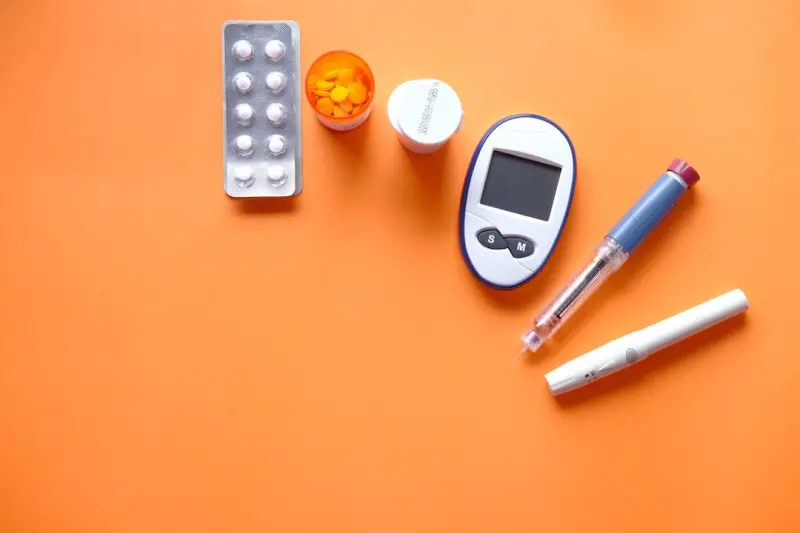
Reframing the Prediabetes Narrative
When I first got the prediabetes label, my mind went straight to panic‑inducing statistics and doom‑laden headlines. I quickly realized that the label was less a verdict and more a traffic light, flashing yellow and urging a change in speed. Seeing it as a signal rather than a sentence opened a mental doorway that let me explore realistic adjustments instead of grand, unsustainable overhauls. This shift in perspective is the first, and perhaps most underrated, tool in the prediabetes playbook; it gives you permission to experiment, to fail, and to try again without feeling like you’ve already lost. In the weeks that followed, I stopped obsessing over perfect numbers and started focusing on daily habits that felt doable, even on the busiest of days.
Redesigning the Food Landscape at Home
The kitchen is the battlefield where most blood‑sugar wars are won or lost, but the fight doesn’t have to be brutal. I began by mapping out the “food flow” in my house—identifying the easy‑grab snacks, the placement of the fruit bowl, and the default meals that appeared on the table after a long workday. Simple swaps, like replacing sugary cereals with a bowl of plain oats topped with fresh berries, reduced my morning glucose spikes dramatically. I also introduced a modest amount of fermented foods, such as kimchi and kefir, which support gut health and can improve insulin sensitivity; you can read more about the science behind fermentation in food fermentation for blood sugar control. The key is to make the healthier option the most convenient one, turning the environment itself into a silent coach that nudges you toward better choices without constant mental effort.
Turning Movement into Momentum
Most of us think “exercise” means a scheduled, sweaty hour at the gym, but the reality is that daily movement can be woven into existing routines with almost no extra time. I started by integrating micro‑activities: a two‑minute march in place while waiting for the kettle to boil, a brisk hallway walk between conference calls, and a quick set of body‑weight squats during TV commercial breaks. These bite‑sized bursts add up, creating a cumulative calorie burn that helps lower insulin resistance. I also experimented with “walking meetings,” which not only keep my blood sugar stable but also spark creative thinking and strengthen team bonds. The science is clear—regular, low‑intensity movement improves glucose uptake, and you don’t need a heavy schedule to reap those benefits. By treating movement as a series of tiny, intentional steps rather than a monolithic workout, you remove the mental barrier that often keeps people from getting started.
Stress Management Without the Spa
Stress is the silent saboteur that spikes cortisol and throws blood‑sugar regulation off balance, yet most of us think managing it requires costly retreats or endless meditation apps. I discovered that short, grounding techniques can be just as effective. A three‑minute box‑breathing exercise before lunch, a quick stretch while watching a short video, or even a mindful sip of water can reset the nervous system enough to blunt the glucose‑raising effects of stress. The goal isn’t to eliminate stress—an impossible task—but to create simple, repeatable practices that act as a buffer. Over time, these micro‑resets become habit loops that your brain associates with calm, making it easier to stay steady when life throws curveballs. By integrating these bite‑sized stress relievers into your day, you protect your pancreas from the hormonal roller coaster that fuels prediabetes progression.
Leveraging Health‑Care Resources You Already Have
Many people assume that navigating the health‑care system is a maze reserved for the sick or the ultra‑wealthy, but there are often hidden tools within your existing insurance plan that can accelerate prediabetes reversal. I dug into my policy and uncovered free nutrition counseling sessions, covered continuous glucose monitors for a trial period, and discounts on fitness classes that I never knew existed. Understanding how to claim these benefits required a bit of research, but the payoff was huge: I saved money while gaining professional guidance that kept my plan on track. If you’re unsure where to start, the optimizing insurance for preventive care article offers a step‑by‑step roadmap for extracting maximum value from your coverage without becoming an administrative nightmare. The message is clear—your insurer can be an ally, not a barrier, when you know how to ask the right questions.
Building a Support Network That Actually Works
Going it alone can feel empowering, but research shows that accountability dramatically improves adherence to lifestyle changes, especially for blood‑sugar management. I invited a close friend to join me in a weekly “healthy cooking challenge,” where we each prepared a low‑glycemic meal and shared the recipe, photos, and results. This friendly competition turned a solitary task into a social event, making it easier to stay motivated and discover new foods. I also tapped into online communities that focus on realistic, science‑backed nutrition, avoiding the hype‑filled forums that promise miracle results. These groups provide a steady stream of tips, moral support, and real‑world success stories, reinforcing the belief that incremental change is both possible and sustainable. By surrounding yourself with people who celebrate small wins, you transform the journey from a lonely slog into a collective adventure.
Tracking Progress Without Obsession
Numbers can be both motivating and demoralizing, so I shifted from daily weight checks to a more holistic set of indicators. Instead of staring at the scale, I logged simple metrics: how often I felt energized after meals, the number of steps taken during a workday, and the frequency of “steady‑glucose” days where I didn’t experience spikes after dinner. A quick weekly review of these data points gave me a clear picture of trends without the anxiety that comes from daily fluctuations. I also used a color‑coded calendar to mark days I adhered to my core habits—green for success, amber for partial compliance, and red for missed opportunities. This visual cue kept the focus on consistency rather than perfection, allowing me to celebrate patterns of improvement and adjust strategies before small setbacks turned into larger problems.
Celebrating the Journey, Not Just the Destination
The most rewarding part of my prediabetes reversal has been the unexpected side effects: better sleep, sharper focus, and a renewed sense of confidence that spilled over into work and relationships. These secondary benefits remind me that the goal isn’t merely to dodge a diabetes diagnosis but to enhance overall quality of life. I encourage anyone reading this to pick one tiny habit—whether it’s adding a fermented snack, taking a 5‑minute walking break, or scheduling a brief breathing exercise—and stick with it for a month. When that habit becomes automatic, add another. The compounding effect of these micro‑wins can transform a “yellow light” into a green light, signaling not just safety but thriving health. Remember, the journey is yours to shape, and every small step you take is a victory worth celebrating.

Tom Ferguson is a Canadian freelance writer with a passion for storytelling, current events, and thoughtful commentary. Drawing on years of writing experience, he shares engaging insights on a wide range of topics, bringing a uniquely Canadian perspective to his work.
Related Posts

The Social Kitchen: Turning Community Meals into a Prediabetes Defense
A fresh look at prediabetes reveals that community meals, collective movement, and supportive networ... Read More

The Silent Saboteur: How Workplace Culture Fuels Prediabetes and What You Can Do
A deep dive into how stress, sedentary work, and digital overload create hidden metabolic risks, wit... Read More
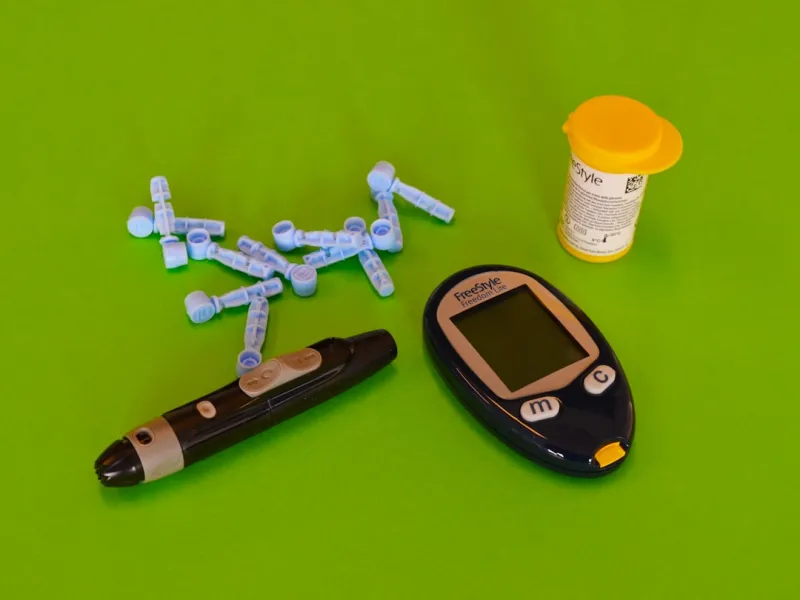
Turning Prediabetes Around: A Holistic Journey to Balance
A candid, holistic guide from personal experience on reversing prediabetes through mindful eating, b... Read More
Top Posts

Movement in Motion: A Physiotherapy Blueprint for Hybrid Teams
A practical guide for hybrid teams to integrate micro‑movements, tele‑physio, and data‑driven recovery, transforming sedentary workdays into a culture of ...Read More
Beyond the Bottle: Everyday Strategies to Fortify Your Liver Naturally
Explore simple, science‑backed habits—including carb timing, breathing breaks, and light resistance—that support liver health and improve energy, digestio...Read More

Micro‑Loading Mastery: Small‑Scale Gains for Big Strength
Learn the micro‑loading method: use tiny, frequent resistance throughout your day, combine it with playful movement and gut‑friendly nutrition, and achieve ...Read More

From Vapor to Voice: Rewriting My Vaping Story
A personal journey that turns vaping rituals into reflective narratives, using flavor, community, and seasonal sync to rewrite habits....Read More
0 Comments
Post Comment
You will need to Login or Register to comment on this post!