
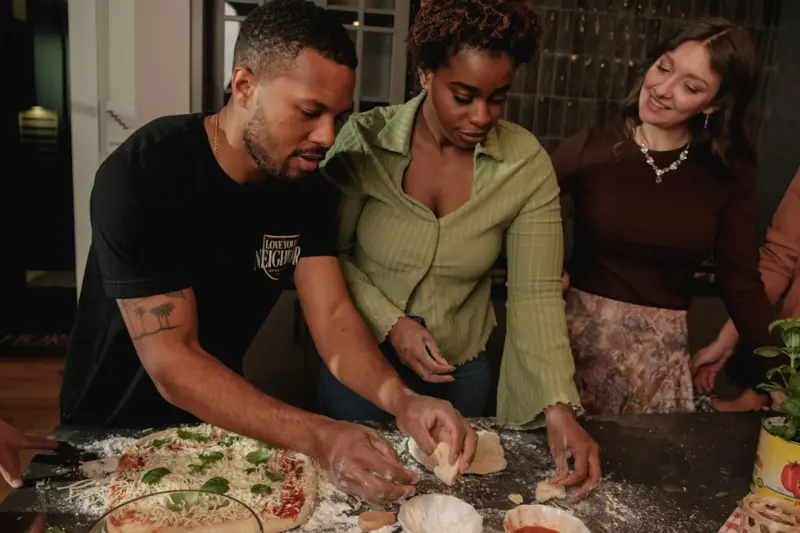
When I first heard the term “prediabetes,” my mind went straight to the sterile lab reports and the endless cascade of charts that feel more like a math problem than a human story. I’ve spent years translating clinical data into relatable narratives for my clients, and I’ve learned that the most powerful interventions often happen far from the exam room—around the kitchen table, at a community potluck, or during a neighborhood walk.
Why Community Matters More Than You Think
Prediabetes isn’t just a set of numbers on a glucometer; it’s a lived experience that intertwines our habits, our emotions, and our social circles. Studies show that people who feel socially connected are more likely to stick with lifestyle changes, whether that’s moving more, eating better, or simply getting enough sleep. The Gamify Your Blood Sugar post highlighted how turning data into a game can boost motivation, but the real game‑changer is the people cheering you on.
Think about it: when you’re in a supportive environment, you’re less likely to justify a late‑night snack with “I’m stressed” and more likely to say, “I’m choosing a healthier option because my friends are doing the same.” That subtle shift from individual willpower to collective momentum can be the difference between a fleeting change and a lasting habit.
The Social Kitchen: A Hub for Healthier Choices
Food is the most obvious place where community can intervene, yet we often let cultural expectations dictate our plates without questioning how those traditions impact blood sugar. The Chrono‑Nutrition article explored the timing of meals, but there’s an equally important piece of the puzzle: who is cooking and eating with you.
- Shared Planning: When families or friend groups plan meals together, they can balance macro‑nutrients, incorporate fiber‑rich veggies, and swap out high‑glycemic carbs for smarter alternatives. This collaborative planning reduces the mental load on any single person.
- Cooking Together: The act of chopping, sautéing, and seasoning side‑by‑side creates a sense of ownership over the food. It also opens the door for real‑time education—like discussing why swapping white rice for quinoa can flatten glucose spikes.
- Portion Awareness: Serving dishes family‑style, where everyone takes a plate, naturally encourages portion control. When the whole table gets a taste, there’s less temptation to go back for seconds.
In my own life, I host a monthly “Glucose‑Friendly Potluck.” Each participant brings a dish that’s been tweaked to be lower in added sugars or refined carbs. We label each dish with the carbohydrate count, and we all vote on the most creative “swap.” The result? Not only do we enjoy delicious meals, but we also walk away with a toolbox of ideas for everyday cooking.
Storytelling in the Kitchen: Reframing the Narrative
Just as narrative therapy can reshape our relationship with weight, storytelling can reshape our relationship with blood sugar. When we label a dish as “prediabetes‑friendly” instead of “diet food,” we’re changing the emotional connotation from restriction to empowerment. This subtle linguistic shift can reduce the feeling of loss that often accompanies lifestyle changes.
One of my favorite anecdotes comes from a participant named Maya. She used to describe her meals as “cheat days” whenever she deviated from her strict plan. After we started calling our gatherings “Flavor Experiments,” Maya began seeing the occasional indulgence as a data point, not a failure. She now tracks her glucose response in a journal, noting the context—who she was with, the setting, her stress level—allowing her to understand patterns beyond just the food.
Leveraging Existing Resources: Health Insurance as a Community Ally
Many of us overlook the power of our health benefits when tackling prediabetes. The Smart Health Insurance piece explained how insurers are moving from passive coverage to active health partnership. Here’s how you can turn that into a community advantage:
- Group Wellness Programs: Some insurers offer discounted gym memberships or virtual coaching when a certain number of employees enroll. Organize a workplace “Prediabetes Challenge” and pool resources to unlock these benefits.
- Nutrition Coaching Sessions: Many plans cover a limited number of dietitian visits. Schedule a group session where a professional can tailor advice to the collective dietary habits of your community.
- Preventive Screening Events: Coordinate with local clinics to host free A1C testing days. When the whole neighborhood participates, it normalizes regular health checks and reduces stigma.
By treating your health insurance like a community fund rather than a personal safety net, you amplify its impact.
Movement as a Social Ritual
Physical activity is a cornerstone of prediabetes management, but the “exercise alone” narrative is outdated. Remember the Micro‑Movements at the Desk post? It taught us that tiny shifts can accumulate, yet the real magic happens when those shifts become shared rituals.
Consider these ideas:
- Walking Meetings: Instead of conference rooms, take your next brainstorming session around the block. It’s a low‑impact cardio boost that also sparks creativity.
- Neighborhood Step Challenges: Use a simple spreadsheet or free app to track daily steps as a group. Celebrate milestones with a healthy brunch.
- Dance‑Along Sessions: Host a monthly “Move‑It” night where friends gather for a 20‑minute dance routine. It’s fun, burns calories, and builds camaraderie.
When movement is tied to social interaction, it no longer feels like a chore—it becomes a celebration.
Stress, Sleep, and Social Support: The Triple Threat
Stress and sleep are often the hidden culprits that sabotage glucose control. While the “Sleep Terrors” article highlighted the leadership signals of poor rest, we can apply those insights at a community level. A supportive group can help you establish healthier sleep hygiene by:
- Encouraging consistent bedtime routines through shared challenges.
- Offering accountability partners for evening wind‑down activities, like a calming tea ceremony or guided meditation.
- Providing a safe space to discuss work‑related stressors, reducing the mental load that often leads to late‑night snacking.
When you feel heard and understood, cortisol levels drop, and your body is better equipped to maintain stable blood sugar.
Technology as a Bridge, Not a Barrier
Digital tools can amplify community efforts without replacing the human touch. Simple solutions include:
- Shared Glucose Logs: Create a private group chat where members post daily glucose readings (anonymized if preferred). Patterns emerge, and the group can suggest tweaks.
- Recipe Swaps on Cloud Docs: A shared Google Sheet where everyone uploads their favorite low‑glycemic recipes, complete with photos and prep times.
- Virtual Accountability Pods: Small groups (3‑5 people) meet on video calls weekly to set goals, share wins, and troubleshoot obstacles.
These tools keep the momentum alive, especially when in‑person gatherings aren’t possible.
Measuring Success Beyond the Scale
Traditional metrics like weight or A1C are important, but community health thrives on broader indicators:
- Frequency of Social Meals: Track how many times per month you share a health‑focused meal with others.
- Group Activity Hours: Log collective movement minutes—whether it’s a park jog or a yoga session.
- Emotional Wellness Scores: Use a simple 1‑10 rating after each group interaction to gauge mood and stress levels.
When these numbers trend upward, they signal a resilient, supportive network that can keep prediabetes at bay.
Action Plan: Building Your Own Prediabetes Community
- Identify Your Core Group: Start with family, coworkers, or friends who express interest in healthier living.
- Set a Shared Vision: Define what success looks like—lowered A1C, more frequent group walks, or a weekly potluck.
- Leverage Existing Resources: Explore your health insurance benefits, local community centers, and free online tools.
- Schedule Regular Touchpoints: Calendar invites for meal planning sessions, activity meet‑ups, and health check‑ins.
- Celebrate Wins: Recognize both big milestones and small daily victories. A simple “Congrats on your consistent step count!” goes a long way.
By weaving health into the fabric of your social life, you turn prediabetes from a solitary battle into a shared adventure.
Closing Thoughts
Prediabetes is a warning sign, not a verdict. It tells us that our bodies are sending a message, and it’s up to us to listen—not just through lab results, but through the rhythm of our daily interactions. When we bring our health goals into the communal space—be it the kitchen, the park, or a virtual chat—we harness the power of connection to rewrite the story of prediabetes.
So the next time you hear the word “prediabetes,” imagine a table full of colorful plates, a playlist of upbeat steps, and a circle of supportive voices cheering you on. That, my friends, is where real change begins.

Brandy Miller is a dynamic freelance writer based in the vibrant city of Cambridge, Ontario. With a passion for storytelling that knows no bounds, she crafts compelling narratives that captivate and inspire. Brandy’s love for writing shines through in her versatile work, whether she’s penning thought-provoking articles or engaging content that resonates with readers. Her unique perspective and friendly tone make her a sought-after voice in the writing community. When she’s not weaving words together, you can find her exploring the beautiful landscapes of Ontario, always seeking new adventures and inspiration for her next piece. Brandy is not just a writer; she’s a creative force, making her mark one word at a time.
Related Posts

Habit Stacking for Prediabetes: Tiny Wins, Big Gains
Learn a practical habit‑stacking framework that uses micro‑movements, nutrition tweaks, and stre... Read More

Heritage Meals, Healthier Hearts: Redesigning Traditional Cuisine to Beat Prediabetes
Explore practical ways to transform beloved traditional dishes into prediabetes‑friendly meals, us... Read More
From Prediabetes to Balance: My Holistic Roadmap
A candid, step‑by‑step account of how I transformed prediabetes into balanced health using diet,... Read More
Top Posts

Rewiring Your Body’s GPS: Proprioceptive Play for Desk‑Bound Lives
I share my favorite proprioceptive exercises that turn a 9‑to‑5 desk job into a daily movement playground, keeping joints happy and the mind sharp....Read More

Health Insurance: The Unsung Hero of Employee Well‑Being
A deep dive into how health insurance, when treated as a strategic wellness partner, can reduce burnout, improve mental health, and become a growth engine for c...Read More

Why Curiosity Keeps You Young: A Healthy Aging Blueprint
Curiosity isn’t just a trait—it’s a powerful anti‑aging tool. Explore how lifelong learning, from micro‑habits to community skill swaps, rewires the b...Read More

Redesigning Your Weight‑Loss Journey: A Story‑Centric, Environment‑First Blueprint
A new weight‑loss roadmap that treats your body as the hero of a story, reshapes your space for passive movement, and uses micro‑habits to fuel sustainable ...Read More
0 Comments
Post Comment
You will need to Login or Register to comment on this post!