

Why Remote Workers Need a Physiotherapy Playbook: Turning Desk‑Bound Hours into Movement Wins
When I first swapped my office cubicle for a home‑office setup, the excitement of ditching the commute quickly gave way to a nagging ache in my lower back and a stiffness in my shoulders that seemed to deepen with each Zoom call. I realized I wasn’t alone—my colleagues, friends, and even my family members who had recently become “remote‑only” were describing the same creeping discomfort. As a physiotherapist who thrives on solving movement puzzles, I decided to treat this modern epidemic the way I would any other musculoskeletal challenge: with a structured, evidence‑based playbook that blends hands‑on therapy, habit engineering, and technology.
In this post I’ll walk you through the three pillars of a remote‑work physiotherapy strategy—Micro‑Movement Integration, Habit‑Driven Consistency, and Smart Tech Feedback. You’ll get concrete exercises, scheduling hacks, and tool recommendations that you can start using today. Think of it as a DIY physiotherapy clinic that fits right on your desk.
1. Micro‑Movement Integration: The Power of Tiny, Purposeful Motions
The human body is designed for variation. When we sit for hours on end, we force our joints, muscles, and fascia into a static configuration that quickly becomes maladaptive. The solution isn’t a marathon workout after work (although that can be beneficial); it’s to weave micro‑movements into the fabric of your day.
Why micro‑movements matter – Research shows that even a 30‑second stretch or a 10‑second joint roll can restore blood flow, reset proprioceptive signaling, and reduce the buildup of inflammatory metabolites. The cumulative effect over an 8‑hour day can be the difference between a sore, stiff evening and a relaxed, mobile one.
Here are three micro‑movement protocols you can adopt, each taking less than a minute:
- Desk‑Top Thoracic Windmills: Sit upright, clasp your hands behind your head, and gently rotate your torso left‑right, aiming for a 30‑second set. This opens up the thoracic spine, which often hunches forward when we stare at screens.
- Hip Flexor Pulse: While standing, lift one knee slightly, then lower it without letting the foot touch the floor. Perform 20 pulses per leg. This activates the hip flexors and counters the anterior pelvic tilt caused by prolonged sitting.
- Neck Release Waves: Tilt your head toward each shoulder, then gently roll forward and back, creating a fluid wave. Spend 15 seconds per side to relieve tension in the upper trapezius and scalene muscles.
Set a timer to remind you every 45‑60 minutes. The key is consistency, not intensity. Over weeks, you’ll notice improved posture, less “pinched nerve” sensations, and a greater sense of bodily awareness.
2. Habit‑Driven Consistency: Building a Physiotherapy Routine That Sticks
One of the biggest barriers to any physiotherapy regimen is adherence. Even the most sophisticated exercise program fails if it isn’t performed regularly. This is where habit‑stacking—a technique popularized by behavioral science—becomes invaluable. By anchoring a new physiotherapy micro‑movement to an existing habit (like checking your email), you create a mental cue that makes the movement automatic.
For example:
- After you open your email client, perform a Desk‑Top Thoracic Windmill.
- Before you start a video call, do a quick Hip Flexor Pulse.
- When you finish a meeting, roll through the Neck Release Waves.
This “cue‑routine‑reward” loop reinforces the behavior and reduces the mental friction of “starting” a new exercise.
To make habit formation even easier, I recommend reading the Micro‑Habit Blueprint for Lasting Weight Loss. Although the focus there is weight management, the underlying principles of stacking tiny actions onto existing routines are identical to what we need for physiotherapy. The article breaks down how to design a cue, select a simple movement, and celebrate the micro‑win—all without overwhelming yourself.
3. Smart Tech Feedback: Turning Data Into Actionable Insights
Wearable technology has exploded in the last few years, but many remote workers still view it as a “step counter” for fitness challenges. The truth is, modern wearables can provide granular data on posture, muscle activation, and even breathing patterns—information that can guide your physiotherapy interventions in real time.
Here are three categories of tech you should consider integrating:
- Posture Sensors – Devices like the Upright Go attach to your upper back and vibrate gently when you slouch. Over time, you develop a subconscious awareness of your spinal alignment, reducing the need for corrective exercises.
- EMG Bands – Electromyography (EMG) wearables measure muscle activation levels. By placing a band on your lower back or shoulders, you can see which muscles are over‑working and adjust your desk setup or micro‑movement routine accordingly.
- Breathing Coaches – Apps paired with chest‑strap sensors can track diaphragmatic breathing. Proper breathing supports core stability, which is essential for protecting the lumbar spine during prolonged sitting.
When selecting a device, look for the following features:
- Real‑time vibration or visual alerts.
- Integration with smartphone dashboards for trend analysis.
- Customizable thresholds so you can fine‑tune the sensitivity to your own comfort level.
Once you have data, the next step is interpretation. I recommend a weekly “data‑review” session where you glance at your posture scores, note any spikes in muscle tension, and adjust your micro‑movement schedule accordingly. This feedback loop mirrors the principles described in Reimagining Physiotherapy: The Rise of Digital Motion Coaching, where technology is used not as a replacement for therapist expertise but as an extension of it.
4. The Home Office Environment: Ergonomics Meets Physiology
Technology and habit can only go so far if your workstation is fundamentally flawed. A quick ergonomic audit can eliminate many of the stressors that precipitate pain.
- Chair Height: Your hips should be slightly higher than your knees, with feet flat on the floor. If your chair doesn’t allow this, use a footrest.
- Monitor Position: The top of the screen should be at eye level, about an arm’s length away. This prevents forward head posture.
- Keyboard & Mouse Placement: Keep elbows at a 90‑degree angle and wrists neutral. Consider a split keyboard or vertical mouse to reduce ulnar deviation.
- Lighting: Natural light reduces eye strain, which can indirectly affect neck tension. Position your screen to avoid glare.
After you adjust your environment, continue the micro‑movement protocol to reinforce the new posture patterns. Think of ergonomics as the foundation; physiotherapy micro‑movements are the finishing touches that keep the structure strong.
5. Mind‑Body Synergy: Adding a Breath‑Focused Reset
Physiotherapy isn’t just about muscles and joints; the nervous system plays a pivotal role in pain perception. Incorporating a brief, diaphragmatic breathing exercise before or after your micro‑movements can activate the parasympathetic nervous system, lowering stress hormones that exacerbate muscle tension.
Try this 60‑second breath reset:
- Place one hand on your chest and the other on your abdomen.
- Inhale slowly through the nose for a count of four, feeling the belly rise.
- Hold the breath for a count of two.
- Exhale gently through the mouth for a count of six, feeling the belly fall.
- Repeat four times.
Doing this before a video call or after a long period of typing can dramatically improve your overall sense of calm and body awareness, making the subsequent physiotherapy moves more effective.
6. Tracking Progress Without the Pressure
One of the hidden traps in any self‑managed health program is the obsession with “numbers.” While data is valuable, it should serve as a guide, not a source of anxiety. Use a simple spreadsheet or a note‑taking app to log:
- Date and time of each micro‑movement session.
- Any pain or discomfort levels before and after (scale of 0‑10).
- Observations on posture or fatigue.
- Device metrics (e.g., posture score, EMG activity) if you’re using wearables.
Review your log weekly. Look for trends—perhaps you notice that your lower back pain diminishes after you consistently perform Hip Flexor Pulses before lunch. Celebrate those wins. If a pattern emerges where pain spikes after a particular meeting length, investigate whether you’re slouching during that time and adjust accordingly.
7. When to Call a Professional
While the playbook empowers you to take charge of everyday discomfort, it’s not a substitute for professional assessment in cases of acute injury, severe chronic pain, or neurological symptoms (e.g., tingling, numbness). If you experience any of the following, schedule an appointment with a licensed physiotherapist:
- Sharp, localized pain that doesn’t improve after a few days of self‑care.
- Persistent numbness or tingling in the arms or legs.
- Loss of strength that interferes with daily tasks.
- Any red‑flag symptoms such as unexplained weight loss, fever, or night sweats.
A therapist can provide manual techniques, tailored exercise programs, and manual diagnosis that go beyond what a remote self‑care routine can achieve.
Conclusion: Making Movement the Default, Not the Exception
Remote work is here to stay, and with it comes a new set of musculoskeletal challenges. By embedding micro‑movements into your daily rhythm, stacking those movements onto existing habits, leveraging smart technology for feedback, and fine‑tuning your ergonomic environment, you can transform your desk from a source of pain into a platform for performance.
Remember, the goal isn’t to become a gym‑rat in your living room; it’s to cultivate a body that feels fluid, resilient, and ready for the demands of modern work life. Start small, stay consistent, and let the data guide you—your future self will thank you.

Lifan Chen is a freelancer based in Toronto specializing in marketing. With expertise in crafting effective marketing strategies and campaigns, Lifan helps businesses grow their brand presence and reach target audiences. As a Toronto-based freelancer, Lifan combines local market insights with creative marketing skills to deliver tailored solutions for clients.
Related Posts
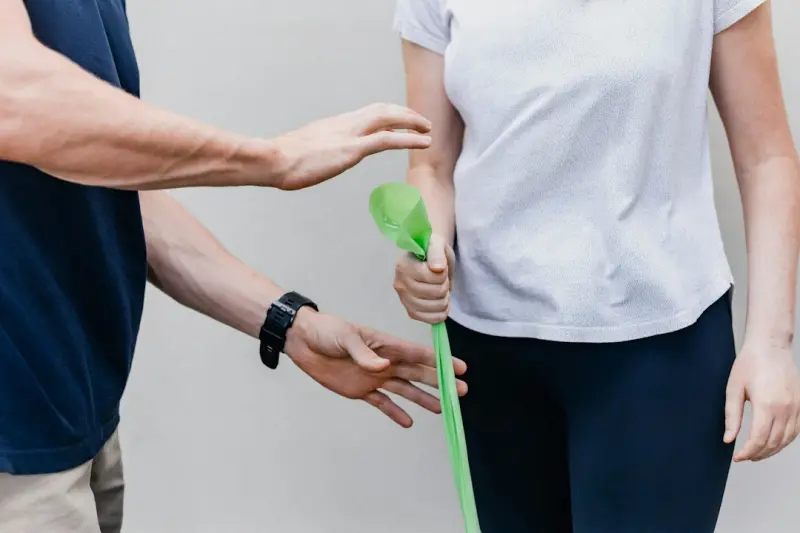
Playful Physio: Turning Rehab into a Game
Learn how adding game-like elements to physiotherapy can boost motivation, improve adherence, and ac... Read More
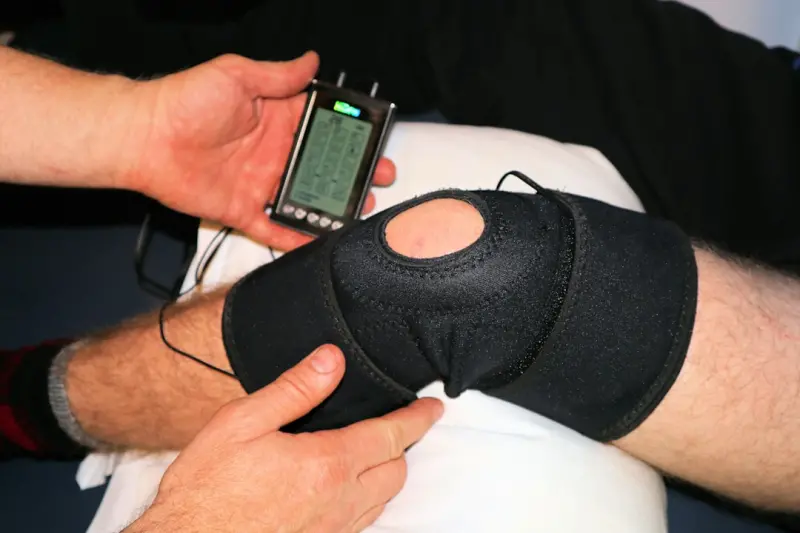
AI‑Powered Physiotherapy: How Smart Tech Is Redefining Recovery
Explore the rise of AI‑powered physiotherapy, where computer vision, smart wearables, and adaptive... Read More
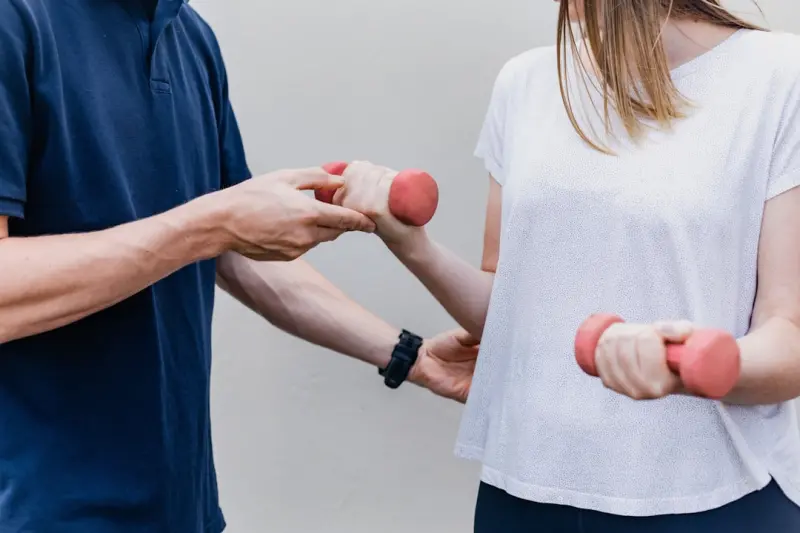
Your Desk as a Physiotherapy Hub: Turning Everyday Work into Movement‑Based Healing
Learn to convert your office chair into a low‑intensity physiotherapy station using movement micro... Read More
Top Posts

Curiosity as a Mental Health Hack: Turning Wandering Thoughts into Resilience
Discover why curiosity is a powerful mental‑health tool, learn three daily practices to harness it, and see how curiosity can transform stress into resilience...Read More

Beyond the Haze: How Vaping Is Redrawing the Map of Urban Sustainability
A deep dive into vaping’s hidden environmental costs, emerging policies, and the innovative design shifts that could turn disposable pods into a catalyst for ...Read More

Creative Flow as Immunity: Harnessing Art and Music to Calm Autoimmune Flames
Discover how integrating art, music, and storytelling into daily routines can modulate the immune system, reduce flare‑ups, and empower those living with auto...Read More

My 2026 Holistic Roadmap for Living with Narcolepsy
I share my 2026 journey navigating narcolepsy, blending cutting‑edge science, daily self‑care rituals, and holistic habits to stay alert, balanced, and hope...Read More
0 Comments
Post Comment
You will need to Login or Register to comment on this post!