
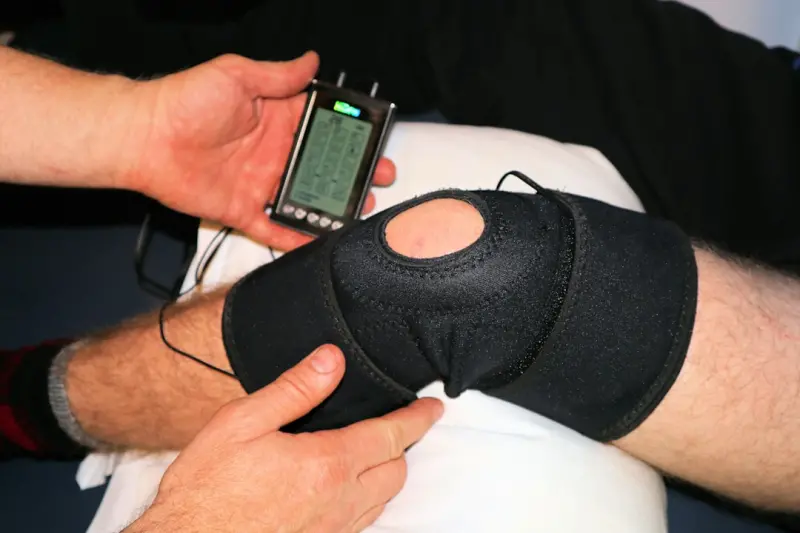
Imagine stepping onto a mat at home, slipping on a sleek pair of sensor‑filled socks, and instantly having a virtual therapist whispering real‑time cues as you glide through your rehab routine. This isn’t a sci‑fi vignette—it’s the emerging reality of AI‑powered physiotherapy, a movement that’s turning the traditional clinic model on its head and putting precision care into the palms of everyday people.
Why the Shift Matters Now
Physiotherapy has long been the silent engine behind recovery from injuries, surgeries, and chronic pain. Yet, the conventional model—appointments scheduled weeks apart, travel to a clinic, and limited home‑exercise monitoring—creates gaps that can stall progress. The COVID‑era telehealth boom cracked open the door to remote care, but most video calls still rely on patients self‑reporting and therapists guessing about movement quality.
Enter artificial intelligence. Modern AI algorithms can process video streams, biomechanical data, and even subtle changes in muscle activation patterns to deliver feedback that rivals, and sometimes exceeds, what a human eye can discern. When paired with affordable wearables and smartphone cameras, the technology democratizes access, allowing anyone with an internet connection to receive clinic‑grade guidance.
The Core Technologies Powering the Revolution
- Computer Vision & Pose Estimation: Using deep learning models, software can map a user’s skeletal structure in three dimensions, flagging deviations in real time.
- Smart Wearables: Sensors embedded in bands, socks, or even clothing capture muscle activity (EMG), joint angles, and pressure distribution, feeding the AI a richer data stream.
- Adaptive Algorithms: Machine‑learning models learn from each session, tailoring difficulty, repetitions, and rest intervals to the patient’s evolving capacity.
- Gamified Interfaces: By turning exercises into interactive challenges—think virtual obstacles, scoreboards, and narrative quests—motivation spikes and adherence improves dramatically.
From Data to Action: How AI Personalizes Rehab
Traditional physiotherapy relies on a therapist’s expertise to design a program, then checks back weeks later to adjust based on reported pain or limited range of motion. AI compresses that feedback loop into minutes. Here’s a typical workflow:
- Initial Assessment: The patient records a short video of basic movements (e.g., squat, arm raise) while wearing sensors. The AI instantly benchmarks range, speed, and symmetry.
- Customized Prescription: Based on the data, the system generates a tailored exercise set, complete with visual guides and audio cues.
- Live Monitoring: As the patient performs each rep, the AI flags form errors (e.g., knee valgus) and offers corrective prompts—“Shift your weight onto the heel,” or “Engage your core before lifting.”
- Progress Analytics: After each session, a dashboard visualizes improvements in strength, balance, and pain levels, empowering patients to see tangible gains.
- Therapist Collaboration: Clinicians can review the AI‑generated reports, intervene when needed, and adjust the program—all without a single in‑person visit.
Real‑World Success Stories
Early adopters of AI‑driven physiotherapy report outcomes that echo the findings of conventional research—only faster. A pilot study with post‑ACL reconstruction patients showed a 30% reduction in time to return to sport when participants used a sensor‑guided app compared to standard home‑exercise sheets. Another case series involving chronic low‑back pain sufferers highlighted a 45% drop in pain scores after eight weeks of AI‑enhanced movement retraining.
These successes stem from two critical factors: precision feedback and consistent engagement. By catching subtle misalignments before they become entrenched habits, AI helps rewire movement patterns more efficiently. And the gamified, data‑rich environment keeps patients returning daily—a habit many traditional programs struggle to instill.
Integrating Breath and Muscle Insight
While AI excels at visual and kinetic data, the body’s internal rhythms also play a pivotal role in recovery. For instance, integrating breathwork can accelerate tissue healing, improve oxygen delivery, and reduce anxiety associated with chronic pain. A recent article on breath as your quiet ally illustrated how mindful breathing techniques synchronize with hormonal cycles to optimize performance. When AI platforms incorporate breath sensors or guide users through diaphragmatic breathing between sets, they create a holistic feedback loop—aligning external movement with internal regulation.
Moreover, understanding muscle activation patterns (the very “levers” behind strength) is essential. The deep dive into muscle growth science emphasized that hypertrophy isn’t just about load; it’s about timing, tension, and neural recruitment. AI wearables that capture EMG signals can pinpoint whether the targeted muscle is truly firing, allowing clinicians to adjust load or cue recruitment more precisely than ever before.
Addressing Common Concerns
“Can a machine replace a therapist?” The short answer is no. AI is a tool, not a substitute. Human therapists bring empathy, nuanced clinical judgment, and the ability to address psychosocial factors—elements that algorithms can’t fully replicate. The ideal model is a hybrid: AI handles the day‑to‑day monitoring and data crunching, while therapists focus on strategic planning, education, and emotional support.
“Is the data safe?” Privacy is paramount. Leading platforms employ end‑to‑end encryption, anonymized storage, and strict compliance with health regulations (HIPAA, GDPR). Users retain control over who can access their records, and many apps provide clear consent pathways before data collection.
“What about cost?” While premium devices can carry an upfront price, the long‑term savings from reduced clinic visits, faster return-to-work timelines, and fewer secondary injuries often offset the investment. Some insurers are beginning to reimburse for validated digital physiotherapy solutions, recognizing their cost‑effectiveness.
Practical Tips for Getting Started
- Choose the Right Platform: Look for solutions that combine video analysis with wearable integration, and that have a proven clinical validation study.
- Start Simple: Begin with basic movements—squat, lunge, overhead reach—and let the AI establish a baseline before progressing to complex patterns.
- Sync With a Real Therapist: Even if most sessions are virtual, schedule periodic check‑ins with a licensed physiotherapist to review data and refine goals.
- Embrace Breathwork: Incorporate short breathing drills between sets; many apps now cue a 4‑7‑8 pattern to reset the nervous system.
- Track Lifestyle Factors: Sleep, nutrition, and stress all influence tissue repair. Use the platform’s journal feature to log these variables for a fuller picture.
The Future Landscape: From Reactive to Predictive Rehab
We’re only at the cusp of what AI can achieve in physiotherapy. As sensor technology becomes even more unobtrusive—think skin‑like patches that harvest bio‑electric signals—algorithms will predict injury risk before a single symptom appears. Imagine a runner whose smart shoes alert them to a developing patellofemoral strain, prompting a pre‑emptive strengthening session guided by AI.
Additionally, the integration of large‑scale data sets across populations will enable “personalized normative models.” In other words, your AI coach could compare your movement patterns to thousands of similar individuals, identifying subtle deviations that even seasoned clinicians might overlook.
Finally, the convergence of virtual reality (VR) with AI promises immersive rehab environments. Picture a patient with shoulder impingement navigating a serene virtual forest, where each arm movement interacts with the surroundings, and the AI adjusts the challenge level based on real‑time performance metrics.
Closing Thoughts: A New Chapter in Healing
Physiotherapy has always been about empowering the body to heal itself. By harnessing AI’s analytical muscle and pairing it with human expertise, we amplify that empowerment—making personalized, data‑driven care accessible beyond the clinic walls. Whether you’re a seasoned athlete, a desk‑bound professional, or someone navigating post‑surgical recovery, the tools to optimize movement are finally at your fingertips.
Embrace the technology, stay curious, and remember that the most powerful catalyst for recovery remains the same: consistent, purposeful movement—now guided by a smarter, more responsive ally.

Deb Roberts is a freelancer who writes on various subjects, bringing versatility and depth to her work. Alongside her broad writing expertise, she has a special passion for horses.
Related Posts

Beyond the Stretch: How Emerging Tech Is Redefining Physiotherapy
Discover the latest physiotherapy innovations—from immersive VR rehab and daily micro‑movements ... Read More

When the Couch Becomes a Clinic: How Virtual Reality is Transforming Physiotherapy
Virtual reality is turning physiotherapy into an immersive, data‑rich experience. Discover the sci... Read More
Beyond the Clinic Walls: The Virtual Reality Revolution in Physiotherapy
Virtual reality is reshaping physiotherapy by delivering immersive, data‑rich rehab experiences th... Read More
Top Posts

Playful Movement: The Simple Secret to Boosting Mental Health
Explore the science and practical steps for turning everyday moments into joyful micro‑movements that boost mental health and resilience....Read More

The Hidden Environmental Toll of Disposable Vapes—and How Companies Can Turn a Crisis Into a Sustainability Win
Disposable vapes generate a surge of plastic and e‑waste that many workplaces overlook. This article reveals the hidden environmental costs and offers a clear...Read More

Turning Data into Lifespan: A Pragmatic Guide to Tech‑Enhanced Longevity
A data‑driven approach to longevity blends measurement, tiny habit tweaks, and seamless life integration, offering practical steps to extend healthspan withou...Read More

Tammy French’s Holistic Journey: Turning Insomnia Into Insight
Tammy French shares her personal, holistic strategies for conquering insomnia, from nutrition and breathwork to tech boundaries and professional help....Read More
0 Comments
Post Comment
You will need to Login or Register to comment on this post!