
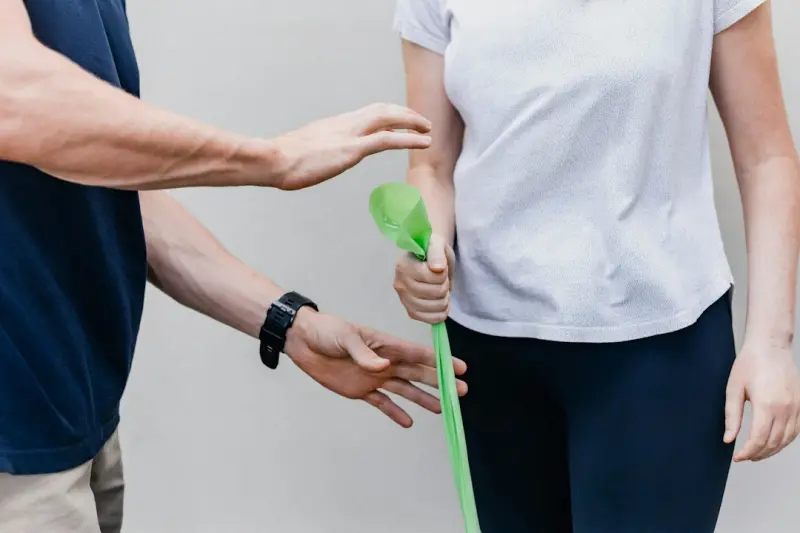
Why Play Matters in Physical Therapy
When most people think of physiotherapy, the image that pops up is often a clinical setting: a patient lying on a table, a therapist counting repetitions, and a stack of boring exercise sheets. But healing doesn’t have to feel like a chore. In fact, the brain’s reward system thrives on play, curiosity, and novelty. By weaving playful elements into rehab, we can tap into the same dopamine pathways that make video games addictive, turning a tedious routine into an experience patients actually look forward to.
From “Do This” to “Let’s Play” – The Science Behind Gamified Rehab
Neuroscience tells us that intrinsic motivation—the drive that comes from within—outperforms extrinsic motivators like “you’ll get better if you finish this set.” When we engage in playful activities, the prefrontal cortex releases dopamine, which not only makes us feel good but also enhances motor learning. This means the brain is more receptive to new movement patterns, a critical factor in post‑injury recovery.
Studies on motor skill acquisition show that when tasks are presented as games, participants retain the learned movements longer and with greater precision. The same principle applies to physiotherapy: a well‑designed game can improve adherence, reduce perceived exertion, and accelerate functional gains.
Key Elements of a Gamified Physiotherapy Program
- Clear Goals and Feedback – Just like a level‑up in a video game, patients should know exactly what they’re aiming for and receive instant feedback on performance.
- Progressive Challenge – Start easy and gradually increase difficulty, mirroring the way games introduce new obstacles as players improve.
- Social Interaction – Leaderboards, cooperative challenges, or simple peer encouragement turn solitary rehab into a community experience.
- Storytelling – A narrative gives context: “You’re rescuing a stranded explorer by strengthening your grip.” The story fuels purpose.
- Reward Systems – Badges, points, or even a simple “high‑five” from the therapist reinforce effort and celebrate milestones.
Tools and Platforms That Make Play Possible
Technology has lowered the barrier to creating immersive rehab experiences. Here are a few accessible options:
- Mobile Apps – Many apps now include built‑in gamification, allowing patients to track reps, earn points, and compete with friends. Look for apps that let therapists customize the exercise library.
- Wearable Sensors – Simple accelerometers or smart bands can translate real‑world movement into on‑screen avatars, providing real‑time feedback without a bulky setup.
- Virtual Reality (VR) – Though more investment‑heavy, VR creates fully immersive environments where patients can “walk” on a beach while performing balance drills.
- Low‑Tech Game Boards – Even a deck of cards or a board with colored squares can become a fun way to structure sets and repetitions, especially for patients who prefer a screen‑free approach.
Designing Your First Playful Session
Start small. Choose a single exercise—say, heel raises for ankle stability—and build a simple point system. Each successful raise earns a point; five points unlock a “bonus round” where the patient attempts a slightly higher raise or adds a balance component. Celebrate the achievement with a quick high‑five or a digital badge.
As confidence builds, layer in more complexity: integrate music with a steady beat, add a timer that mimics “beat‑the‑clock” challenges, or invite a family member to act as a teammate. The key is to keep the session fun while still targeting therapeutic objectives.
Case Study: Turning a Stiff Shoulder into a High‑Scoring Quest
Emily, a 42‑year‑old graphic designer, suffered a frozen shoulder after a minor car accident. Traditional therapy involved passive stretches and isolated rotator‑cuff strengthening—effective but dull. Her therapist introduced a “Treasure Hunt” game using a tablet app that displayed a pirate ship on the screen. Each time Emily completed a set of pendulum swings, the ship moved closer to an island treasure.
Within four weeks, Emily’s compliance skyrocketed from 45% to 92%, and she reported feeling less “like she was in a clinic” and more “engaged in an adventure.” Her range of motion improved by 30°, and she reclaimed the ability to lift her child overhead—something she hadn’t expected in such a short period.
Addressing Common Concerns
Is gamification a gimmick? Not when it’s grounded in evidence‑based practice. The game elements are simply a delivery method for proven therapeutic exercises.
Will it increase the risk of over‑exertion? Properly calibrated challenges prevent patients from pushing beyond safe limits. Therapists set thresholds and monitor fatigue, just as they would in a conventional session.
What about patients who dislike technology? Gamification isn’t limited to screens. Simple card games, dice rolls, or physical obstacle courses can provide the same motivational boost.
Integrating Play with Existing Rehab Strategies
Gamified physiotherapy doesn’t replace traditional methods; it enhances them. For instance, you can blend a micro‑movement approach with a point system, rewarding patients for every tiny, purposeful motion they complete throughout the day. Similarly, the self‑guided physiotherapy routine can be upgraded with a leaderboard that encourages remote workers to compete in short “movement bursts” during breaks.
By weaving playful components into existing protocols, you preserve the clinical rigor while adding a layer of engagement that can dramatically improve outcomes.
Measuring Success: Data-Driven Play
One of the biggest advantages of gamified rehab is the ability to collect granular data. Each interaction—whether a completed rep or a missed target—feeds into a dashboard that therapists can review in real time. This data-driven approach allows for:
- Early detection of plateaus or regressions.
- Tailoring difficulty levels to individual progress.
- Demonstrating objective improvements to patients and insurers.
When patients see their own progress visualized as a rising score or a completed quest, motivation spikes—creating a positive feedback loop that fuels further improvement.
Future Trends: AI, Adaptive Learning, and Community Platforms
Artificial intelligence is already being integrated into rehab apps to dynamically adjust difficulty based on performance analytics. Imagine an AI coach that watches a patient’s movement patterns, predicts fatigue, and instantly modifies the game’s challenge level to keep the effort within the optimal therapeutic zone.
Community platforms are also emerging, where patients can form virtual teams, share achievements, and support each other’s recovery journeys. This social component mirrors the success of fitness apps that rely on group challenges, but with a clinical focus on safe, targeted movement.
Getting Started: A Practical Checklist
- Identify Target Exercises – Choose movements that align with the patient’s goals.
- Select a Play Format – Decide between digital, low‑tech, or hybrid approaches.
- Define Goals and Rewards – Set clear milestones and decide how you’ll acknowledge success.
- Test for Safety – Ensure the game’s difficulty stays within prescribed limits.
- Launch and Collect Feedback – Gather patient input after each session and tweak the game accordingly.
- Analyze Data – Use collected metrics to refine the program and demonstrate outcomes.
Conclusion: Healing Through Joy
Physiotherapy is, at its core, about restoring function and improving quality of life. When we infuse that process with play, we’re not just treating a body—we’re nurturing a spirit. Gamified rehab transforms the perception of therapy from a burdensome obligation into an exciting quest, unlocking higher adherence, faster progress, and a deeper sense of empowerment for patients.
Whether you’re a seasoned clinician looking to modernize your practice or a patient yearning for a more enjoyable path to recovery, consider the power of play. The next time you hand a patient a set of exercises, ask yourself: How can I turn this into a game? The answer may just be the key to unlocking their full potential.

Brody Lambert is an emerging freelance writer whose fresh voice and thoughtful approach are quickly making their mark. As a fairly new entrant in the world of freelance writing, Brody brings a blend of curiosity and dedication that fuels every project, crafting stories and content that resonate with authenticity and clarity.
Related Posts

When the Couch Becomes a Clinic: How Virtual Reality is Transforming Physiotherapy
Virtual reality is turning physiotherapy into an immersive, data‑rich experience. Discover the sci... Read More

Rewilding Rehabilitation: How Nature and Play Transform Physiotherapy
Physiotherapy meets the outdoors in this fresh perspective, exploring how natural terrain, playful c... Read More

Functional Strength Unleashed: Physiotherapy Strategies for Real‑World Performance
A fresh, evidence‑based guide shows how to turn everyday activities into functional strength train... Read More
Top Posts
Playful Physio: Turning Rehab into a Game
Learn how adding game-like elements to physiotherapy can boost motivation, improve adherence, and accelerate healing, turning ordinary rehab into an enjoyable, ...Read More

The Untapped Power of Health Insurance for Preventive Wellness
A deep dive into using health insurance beyond claims, focusing on prevention, mental health coverage, and strategies for the modern workforce....Read More

Sarah Gray’s Holistic Blueprint for Quitting Smoking & Vaping in a Modern World
Sarah Gray shares a comprehensive, holistic plan to break free from smoking and vaping, blending mindfulness, nutrition, and supportive community for lasting ch...Read More

When Nightmares Take the Wheel: Turning Sleep Terrors into Creative Power
Sleep terrors are more than disruptive episodes; they’re hidden signals that can spark creativity and problem‑solving. Learn a practical framework to captur...Read More
0 Comments
Post Comment
You will need to Login or Register to comment on this post!