
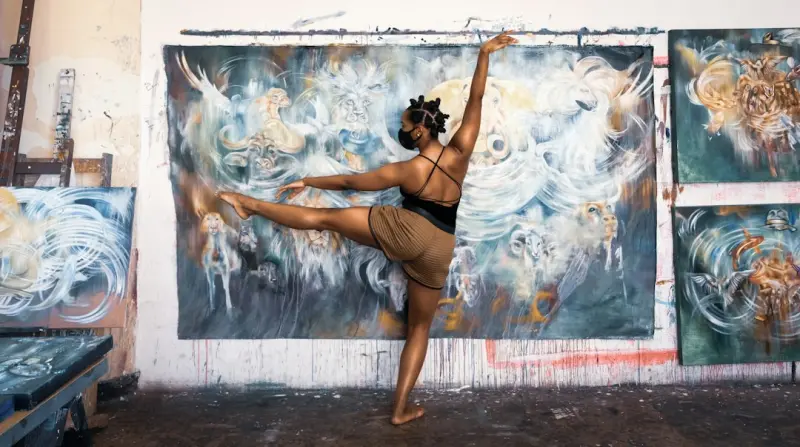
Creative Flow as Immunity: Harnessing Art and Music to Calm Autoimmune Flames
When I was first diagnosed with an autoimmune condition, the medical jargon felt like a foreign language—inflammation, cytokine storms, and a cascade of lab values that seemed to dictate my every move. I spent months in a cycle of appointments, prescription adjustments, and endless “what‑if” questions. Somewhere in that whirlwind, I discovered a quiet, unexpected ally: creative expression. Not the polished paintings you’d hang in a gallery, but the simple, daily rituals of humming a favorite tune, sketching in a notebook, or weaving a story about your own journey.
In this post, I’ll share why creative flow isn’t just a feel‑good pastime—it’s a scientifically backed tool that can modulate the immune system, reduce flare‑ups, and restore a sense of agency. I’ll also explore how storytelling, music, and visual art intersect with the mind‑body axis, and offer a practical roadmap for anyone looking to turn creativity into a therapeutic habit.
The Science Behind Sound and Color
Decades of research into psychoneuroimmunology have shown that emotions and perception can influence immune signaling. When you listen to music that resonates with you, the brain releases dopamine and endorphins—neurotransmitters that not only lift mood but also dampen the production of pro‑inflammatory cytokines such as IL‑6 and TNF‑α. A 2016 study in Brain, Behavior, and Immunity demonstrated that participants who engaged in a 30‑minute music‑listening session experienced a measurable drop in cortisol, the stress hormone that often fuels autoimmune flare‑ups.
Similarly, visual art activates the default mode network, a brain region associated with introspection and emotional regulation. When you paint, doodle, or even color in a mandala, you encourage a meditative state that lowers sympathetic nervous system activity—again, a pathway that can calm the inflammatory cascade.
These findings dovetail with the broader mind‑body practices that have become a cornerstone of holistic health. The key takeaway? Creative flow is a biological lever you can pull, right from your living room.
Storytelling: Giving Your Immune System a Narrative
Stories are more than entertainment; they are frameworks our brains use to organize experience. In the realm of chronic illness, the narrative you tell yourself can shape physiological outcomes. When you cast your condition as a villain, you may inadvertently fuel a fight‑or‑flight response, keeping the immune system on high alert. Conversely, re‑framing your autoimmune journey as a story of resilience and adaptation can shift the autonomic balance toward rest‑and‑digest, a state conducive to healing.
Consider the work done in oncology, where storytelling as a healing tool has been integrated into patient care pathways. While the context differs, the underlying principle holds: narratives can modulate stress hormones, influence immune cell trafficking, and even affect gene expression through epigenetic pathways.
Here’s a simple exercise you can try tonight:
- Pick a moment of calm. Recall a time when you felt safe, perhaps a sunrise on a beach or a quiet coffee shop.
- Write it as a scene. Use sensory details—what you saw, heard, smelled.
- Introduce your immune system. Personify it as a gentle guardian, not an enemy. Describe how it listens to your body’s signals and chooses to protect rather than attack.
- Close with gratitude. Thank your body for its perseverance.
Doing this once a week can rewire the emotional associations your brain has with the disease, fostering a calmer internal environment that translates into fewer flare‑ups.
Movement Meets Melody: The Rhythm of Recovery
While many of us have explored the benefits of physical exercise for autoimmune health, pairing movement with music amplifies the effect. Rhythm‑based activities—dance, tai chi, even walking to a steady beat—synchronize heart rate variability (HRV) and improve vagal tone. Higher HRV is linked to better regulation of inflammatory pathways.
In my own practice, I set a daily “sound‑and‑step” window. I cue a playlist of low‑tempo, instrumental tracks and move through a sequence of gentle stretches. The music serves as a metronome, guiding breath and motion, while the movement reinforces the brain’s reward circuits.
If you’re skeptical, start small. Put on a three‑minute song you love, stand up, and let your body sway. Notice how your shoulders relax, your breath deepens, and—most importantly—how the urge to check your phone diminishes. That brief pause is a micro‑reset for the nervous system, one that can cascade into reduced systemic inflammation.
Practical Toolkit: Turning Creative Flow into a Habit
Below is a step‑by‑step framework that blends art, music, and narrative into a cohesive routine. The goal isn’t to become a professional musician or painter, but to embed low‑effort, high‑impact creative moments into your day.
- Morning Soundscape. Begin your day with a curated playlist (classical, ambient, or nature sounds). Spend five minutes simply listening, eyes closed, breathing into the music. Tip: Use a timer so you don’t lose track of time.
- Mid‑day Sketch. Keep a small sketchbook on your desk. When you feel a surge of fatigue or joint pain, open it and doodle for three minutes. No judgment—just lines, shapes, or color blocks.
- Afternoon Narrative. Write a short journal entry (150–200 words) that frames your current experience as a chapter in a larger story of growth. Highlight moments of resilience.
- Evening Rhythm Walk. Put on a playlist with a steady beat (60–80 BPM) and take a 10‑minute walk, syncing your steps to the rhythm. Feel the synergy between your heartbeat and the music.
- Weekly Creative Review. At the end of each week, review your sketches and journal entries. Notice patterns—what themes recur, what colors dominate, which songs uplift you. This reflection reinforces the mind‑body connection.
Consistency is more important than intensity. Even a handful of minutes each day can tip the balance toward a calmer immune response.
Technology as a Creative Companion
In today’s digital age, you don’t have to rely on pen and paper alone. Several apps cater specifically to creative health practices:
- Audio Journaling Apps. Record spoken reflections while you’re on a walk. Listening back can reveal emotional trends you might miss in written form.
- Digital Sketchpads. Tools like Procreate or simple tablet doodle apps let you capture visual ideas instantly, even during a clinic visit.
- Music‑Mood Trackers. Platforms such as Spotify’s “Your Daily Mix” can be paired with mood‑logging features, helping you identify which genres correlate with lower symptom scores.
These tools serve as a bridge between your creative impulses and measurable outcomes, allowing you to track the impact of artistic expression on your flare‑up frequency and severity.
Community: Sharing the Creative Journey
Isolation is a common undercurrent in chronic illness. Sharing your creative output—whether it’s a snippet of a song, a sketch, or a story—creates a sense of belonging and validates your experience. Online forums, local support groups, or even a private Instagram account can become safe spaces for this exchange.
When you post a piece of art that reflects a symptom you’ve been battling, you may discover others who resonate, fostering empathy and collective coping strategies. This communal feedback loop reinforces the therapeutic value of creativity, turning it from a solitary act into a shared healing ritual.
Integrating Creativity with Traditional Care
It’s crucial to emphasize that creative flow complements, not replaces, medical treatment. Share your creative routine with your healthcare team; many clinicians are now receptive to integrative approaches. By documenting your creative sessions alongside symptom logs, you can provide concrete data that may inform medication adjustments or lifestyle recommendations.
For instance, if you notice that days after a particularly immersive music‑making session you experience fewer joint pains, you can discuss this pattern with your rheumatologist. Over time, this collaborative model can lead to a more personalized care plan that respects both biomedical and artistic dimensions of health.
Final Thoughts: Your Canvas, Your Symphony, Your Story
Autoimmune disease can feel like an ever‑present storm, but within that turbulence lies an invitation to explore the quieter, more vibrant parts of yourself. By weaving art, music, and storytelling into your daily routine, you harness a set of natural, accessible tools that speak directly to the brain‑immune interface.
Remember, the goal isn’t perfection; it’s presence. Each brushstroke, each lyric, each narrative thread adds a layer of resilience, a note of calm, a splash of color to a life that otherwise might feel muted by medication schedules and lab results.
So, pick up that pencil, cue your favorite song, and let the creative current flow. Your immune system will thank you, and you’ll discover a richer, more harmonious way of living with autoimmunity.

Related Posts

Beyond Medication: How Lifestyle Architecture Empowers Autoimmune Resilience
A deep dive into “lifestyle architecture” – a data‑driven, habit‑focused framework that le... Read More

Designing an Autoimmune‑Friendly Workplace: Strategies for Sustainable Success
A practical guide to creating an autoimmune‑first workplace, covering flexible hours, biofeedback ... Read More

Exploring How Travel and Changing Environments Can Calm Autoimmune Flare‑Ups
Travel isn’t just an escape; it can be a strategic tool for calming autoimmune inflammation. Learn... Read More
Top Posts

Design Your Environment: The Hidden Path to Sustainable Weight Loss
Learn to transform your surroundings—from pantry layout to grocery routes—into powerful allies that naturally guide you toward healthier choices and steady ...Read More

Smart Home Ecosystems: Boosting Senior Independence Through Connected Living
A deep dive into how smart home ecosystems enhance seniors’ independence, covering safety sensors, voice assistants, health monitoring, and community integrat...Read More

Nicotine’s Double‑Edged Sword: Boosting Focus Without Burning Out
A deep dive into nicotine’s cognitive effects, weighing its productivity benefits against health risks, and offering practical guidelines for professionals se...Read More

Silencing the Night: How Light, Food, and Gut Health Fuel Sleep Terrors
Sleep terrors arise from mismatched signals like blue light, late heavy meals, and gut dysbiosis. This guide reveals how to reset your evening routine, use brea...Read More
0 Comments
Post Comment
You will need to Login or Register to comment on this post!