
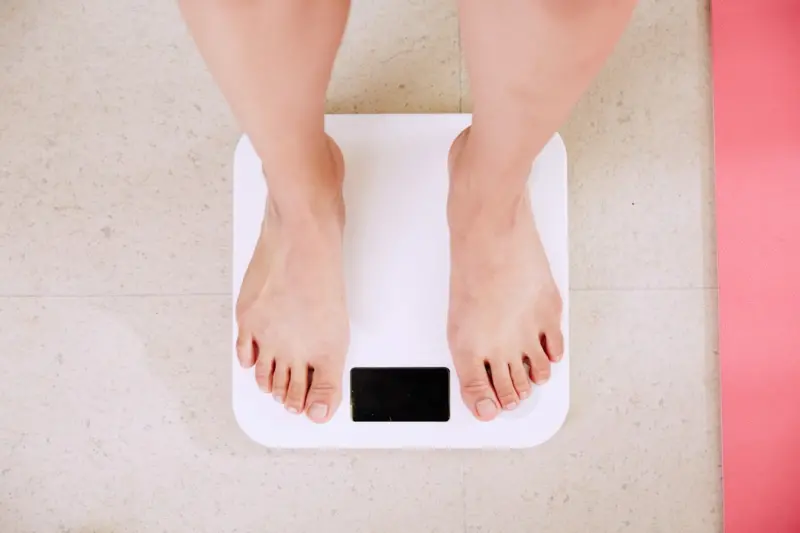
Why Micro‑Habits Beat Mega‑Resolutions Every Time
When most people think about shedding pounds, the first image that pops up is a dramatic overhaul: a strict diet, an intense workout regimen, and a relentless focus on the scale. It’s an alluring narrative, but it’s also a recipe for burnout. The truth, backed by emerging behavioral science, is that tiny, repeatable actions—what I call micro‑habits—create a cascade of physiological and psychological benefits that far outpace any short‑term sprint.
The Science Behind Tiny Wins
Our brains are wired for efficiency. Each decision we make fires a network of dopamine pathways that reward us for conserving energy. When a habit is too big, the brain perceives it as a threat to its equilibrium and triggers resistance. By contrast, micro‑habits are just small enough to slip under the radar of that resistance, allowing the reward loop to activate without a fight.
Research from the University of Southern California shows that when a habit takes less than two minutes to complete, the likelihood of adherence jumps from 30% to over 70%. That’s because the brain registers a “win” almost instantly, reinforcing the behavior and building neural pathways that eventually make the habit automatic.
Designing Your Personal Micro‑Habit Blueprint
Creating a sustainable weight‑loss plan starts with a clear, data‑driven framework. Here’s a step‑by‑step process you can implement right now:
- Identify a Core Goal: Instead of “lose 20 lbs,” focus on “add 10 minutes of low‑impact movement daily.”
- Break It Down: Slice the core goal into bite‑size actions that take under two minutes. Example: “Do five squats while waiting for coffee.”
- Anchor to Existing Routines: Pair the micro‑habit with an established cue (e.g., “After I brush my teeth, I’ll stretch for 30 seconds”).
- Track and Iterate: Use a simple spreadsheet or a habit‑tracking app to log completion. Review weekly to spot patterns and adjust.
Micro‑Habit Categories That Directly Impact Weight
Not all micro‑habits are created equal. To maximize impact, align them with the three pillars of weight management: energy intake, energy expenditure, and metabolic health.
1. Energy Intake Tweaks
Instead of a full‑blown diet, embed subtle shifts that reduce caloric density without sacrificing satisfaction:
- Place a glass of water on the table before every meal. Research suggests that simply drinking 8 oz of water can reduce hunger by up to 13%.
- Swap one spoonful of high‑fat sauce for a dash of fresh herbs or spices. Flavor stays, calories drop.
- Set a 5‑minute timer when you open the fridge; the pause often curtails impulse snacking.
2. Energy Expenditure Boosters
Movement doesn’t have to be a marathon. Small bursts of activity, known as non‑exercise activity thermogenesis (NEAT), add up dramatically over weeks:
- Do a quick 30‑second march in place during conference calls.
- Take the stairs for just two flights; repeat three times a day.
- Park two spots farther away from the office entrance—an effortless 2‑minute walk each way.
3. Metabolic Health Enhancers
Optimizing gut health, sleep quality, and stress management can turbocharge weight loss without a single extra calorie burned. For a deeper dive into the gut‑microbiome connection, see The Executive’s Secret Weapon: Leveraging the Gut Microbiome for High Performance. A thriving microbiome improves insulin sensitivity, reduces inflammation, and supports satiety signals.
Leveraging Data Without Getting Overwhelmed
Data can be a double‑edged sword. While numbers provide insight, too much focus can lead to analysis paralysis. Here’s how to keep data useful and motivating:
- Choose One Metric: Pick a single KPI—like “minutes of movement per day” or “glasses of water consumed.” Track it consistently.
- Set Micro‑Milestones: Celebrate every 10‑minute increase rather than waiting for a 50‑minute jump.
- Visual Feedback: Use a color‑coded calendar where green squares represent habit completion. The visual pattern becomes a powerful motivator.
Technology as a Habit Ally
Modern tools can automate the reminder and tracking process, reducing the mental load required to maintain micro‑habits. For instance, smart speakers can announce a “stretch break” every hour, while wearable devices give gentle vibrations when you’ve been sedentary for too long.
If you’re interested in a community‑driven approach that blends technology with accountability, explore the concept of Digital Companion Hubs. Though originally designed for senior health, the underlying framework—real‑time data sharing, peer support, and AI‑guided nudges—translates beautifully to weight‑loss micro‑habit ecosystems.
Case Study: From “All‑Or‑Nothing” to Incremental Wins
Meet Maya, a 38‑year‑old product manager who spent years cycling through fad diets with little lasting success. After a burnout episode, she decided to experiment with micro‑habits:
- Morning Hydration: She placed a reusable water bottle next to her alarm clock. Drinking 8 oz before getting out of bed became automatic.
- Desk Squats: While waiting for her laptop to boot, Maya did five bodyweight squats. Over a month, she logged 150 squats, burning roughly 75 extra calories.
- Meal Prep Mini‑Tasks: Instead of cooking a full week’s meals on Sunday, she chopped one vegetable each evening—a task under two minutes.
After three months, Maya reported a 5‑lb weight loss, improved energy, and, most importantly, a mindset shift: she no longer viewed weight loss as a monolithic challenge but as a series of manageable steps.
Common Pitfalls and How to Dodge Them
Even the best‑designed micro‑habit plan can falter if you fall into these traps:
- Over‑Ambition: Adding too many new habits at once overwhelms the brain’s reward system. Start with one or two, then layer on additional actions.
- Inconsistent Cues: A habit anchored to an unreliable cue (e.g., “when I feel like it”) will crumble. Choose stable triggers like “after brushing teeth” or “when the timer chimes.”
- Neglecting Recovery: Micro‑habits are not a license to ignore sleep and stress. Poor recovery sabotages hormonal balance, making weight loss harder.
Integrating Micro‑Habits with Larger Lifestyle Shifts
Micro‑habits are the foundation, but they can seamlessly support broader changes when the time is right:
- Use a habit of walking 10 minutes after lunch as a stepping stone to a 30‑minute daily walk.
- Combine a water‑first habit with a habit of logging meals, gradually improving portion awareness.
- When you feel confident with your micro‑habits, introduce a weekly “tech‑free dinner” to reduce mindless snacking.
Future Trends: Gamified Micro‑Habit Platforms
Emerging platforms are turning habit formation into a game. By awarding points, badges, and leaderboards, they tap into the brain’s natural desire for achievement. While many of these tools are still in beta, early adopters report higher adherence rates and a more enjoyable experience. Keep an eye on the market—these gamified systems could become the next standard for sustainable weight management.
Take Action Today: Your 7‑Day Micro‑Habit Sprint
Ready to test the blueprint? Here’s a simple 7‑day plan to jump‑start your journey:
- Day 1: Drink a glass of water before each meal.
- Day 2: Perform five squats after brushing your teeth.
- Day 3: Set a 5‑minute timer before opening the fridge; pause and assess hunger.
- Day 4: Take a 2‑minute walk after each phone call.
- Day 5: Add a pinch of fresh herbs to one dish you prepare.
- Day 6: Log one metric (e.g., minutes moved) in a notebook.
- Day 7: Celebrate your consistency with a non‑food reward—perhaps a new book or a relaxing bath.
After the week, review your data, note which habits felt effortless, and double down on those. The beauty of micro‑habits is that they compound—what feels tiny today becomes the norm tomorrow, and the norm tomorrow fuels larger, lasting transformations.
Conclusion: The Power of Consistency Over Intensity
Weight loss is not a singular event; it’s a marathon of micro‑decisions. By embracing a data‑driven micro‑habit approach, you sidestep the emotional rollercoaster of drastic diets and instead build a resilient, adaptable system that serves you for life. Remember, every 2‑minute action is a vote for the body you want to become. Cast your votes wisely, and watch the scale tip in your favor.

Brody Lambert is an emerging freelance writer whose fresh voice and thoughtful approach are quickly making their mark. As a fairly new entrant in the world of freelance writing, Brody brings a blend of curiosity and dedication that fuels every project, crafting stories and content that resonate with authenticity and clarity.
Related Posts

The Creative Kitchen: Turning Cooking into a Weight‑Loss Power Play
Explore a fresh, creative approach to weight loss by treating cooking as an artistic playground—us... Read More
Rewire Your Environment for Sustainable Weight Loss
Kelly Reynolds shares a fresh, environment‑design blueprint that turns everyday spaces into weight... Read More
Turning Your Weight Loss Journey into a Real‑Time Dashboard
Learn how to design a simple, personalized dashboard that tracks movement, nutrition, sleep, stress,... Read More
Top Posts

The Holistic Approach to Pregnancy and Mental Health
Pregnancy is a transformative journey that requires a holistic approach to support mental health and wellbeing. Learn how to prioritize self-care, nutrition, an...Read More
The Creative Kitchen: Turning Cooking into a Weight‑Loss Power Play
Explore a fresh, creative approach to weight loss by treating cooking as an artistic playground—using themes, ingredient swaps, and storytelling to stay lean ...Read More

Unlocking the Secrets to a Longer, Healthier Life: A Holistic Approach to Longevity
Unlock the secrets to a longer, healthier life with a holistic approach to longevity. Learn how to prevent chronic diseases, improve mental health, and increase...Read More

Beyond the Numbers: Personal Strategies to Tame Blood Pressure
A candid, data‑driven guide shares simple breathing, posture, hydration, and digital biofeedback habits that lowered the author’s blood pressure, offering a...Read More
0 Comments
Post Comment
You will need to Login or Register to comment on this post!