
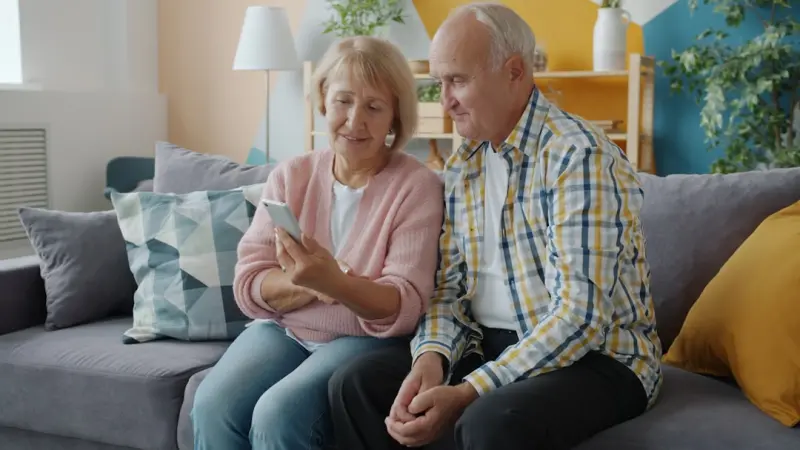
Embracing the Digital Age: How Smart Tech Empowers Seniors to Thrive Physically and Mentally
When I first swapped my flip‑phone for a sleek smartwatch, I expected a few notifications and maybe a step counter. What I didn’t anticipate was a whole new worldview that could help my aging parents—and myself—stay healthier, sharper, and more socially connected. The truth is, technology isn’t just for the young. It’s a powerful ally for seniors who want to keep moving, thinking, and engaging with the world around them.
Why Seniors Should Consider Going Digital
Older adults often hear the phrase “digital divide” and imagine a chasm too wide to cross. In reality, the gap is narrowing thanks to intuitive designs, voice‑activated assistants, and affordable wearables. The benefits go far beyond convenience:
- Real‑time health monitoring—heart rate, blood pressure, sleep patterns, and even fall detection can be tracked without a clinic visit.
- Medication adherence—reminders and pill‑tracker apps reduce the risk of missed doses.
- Social connection—video calls, community forums, and virtual classes fight isolation, a major risk factor for cognitive decline.
- Brain fitness—puzzle apps and memory games offer daily mental workouts that support neuroplasticity.
- Personal safety—GPS-enabled devices let loved ones know where you are, providing peace of mind for families.
All of these advantages can be woven into a seamless daily routine, turning technology from a daunting gadget into a trusted companion.
Choosing the Right Devices: A Practical Checklist
Not every gadget is created equal. When selecting tech tools, keep these criteria in mind:
- Ease of use—large fonts, simple navigation, and voice control reduce the learning curve.
- Battery life—devices that last several days minimize charging hassles.
- Data privacy—look for products with clear privacy policies and encrypted data storage.
- Integration—choose devices that sync with smartphones, tablets, or health platforms you already use.
- Support ecosystem—brands that offer tutorials, customer service, and community forums make adoption smoother.
For many seniors, a smart fitness band paired with a smartphone app hits the sweet spot: it’s lightweight, tracks movement, and provides gentle prompts for activity.
Smartwatch Essentials for Senior Wellness
Smartwatches have evolved from novelty gadgets to comprehensive health hubs. Here’s what to look for:
- Heart‑rate monitoring—continuous tracking can flag irregular rhythms early, prompting a doctor’s visit.
- SpO₂ sensors—monitor blood oxygen levels, especially useful for those with respiratory concerns.
- Fall detection—automated alerts to emergency contacts when a sudden impact is sensed.
- Sleep analysis—breakdowns of deep, light, and REM phases help identify sleep disturbances.
- Medication reminders—customizable alerts ensure pills aren’t forgotten.
Brands now offer models with oversized displays, tactile buttons, and even detachable bands that can be swapped for a more comfortable fit. Pairing these watches with a phone that runs a health dashboard gives seniors a clear visual of trends over weeks and months.
Leveraging Apps for Cognitive Vitality
Physical activity isn’t the only pillar of senior health; mental agility matters just as much. Cognitive‑training apps present a fun, low‑impact way to keep the brain humming. Look for platforms that:
- Offer a variety of tasks—memory, attention, problem‑solving, and language.
- Adjust difficulty based on performance, ensuring a “just‑right” challenge.
- Provide progress tracking so users can see improvements over time.
Many of these apps also incorporate social features, letting users compete or cooperate with friends—a built‑in motivation booster. When combined with a smartwatch’s activity data, seniors can enjoy a holistic view of both body and mind performance.
Staying Connected: The Social Power of Video and Voice
Isolation is a silent health threat. According to research, loneliness can increase the risk of heart disease, depression, and cognitive decline. Simple tools like video‑calling apps and voice‑activated smart speakers make it easier to stay in touch with family, join virtual book clubs, or attend online exercise classes.
Voice assistants such as Amazon Echo or Google Nest can read news headlines, set medication reminders, or even call a loved one with a single command. For seniors with limited mobility or vision challenges, these hands‑free options are game‑changers.
Creating a Senior‑Friendly Digital Environment at Home
Technology works best when it’s woven into the living space. A few strategic tweaks can transform a home into a health‑supporting hub:
- Smart lighting—adjustable bulbs that mimic natural daylight support circadian rhythms and reduce fall risks.
- Voice‑controlled thermostats—maintain comfortable temperatures without fiddling with knobs.
- Connected medical devices—digital blood pressure cuffs or glucose meters that sync data directly to a phone.
- Wireless speakers—play calming music or guided meditation sessions, fostering relaxation.
For inspiration on how the built environment can nurture health, see biophilic design principles that bring nature indoors, even for seniors living in apartments.
Safety First: Data Security and Privacy Considerations
It’s natural to worry about personal information when adopting new tech. Here are practical steps to protect privacy:
- Use strong, unique passwords for each device and enable two‑factor authentication.
- Regularly review app permissions—disable access to contacts or location if unnecessary.
- Choose devices that store data locally or use encrypted cloud services.
- Keep software up‑to‑date to patch known vulnerabilities.
Educating seniors about these basics empowers them to enjoy technology without fear.
Integrating Wearables with Traditional Healthcare
Many healthcare providers now accept data from consumer wearables as part of routine check‑ups. By sharing trends in heart rate, activity levels, and sleep patterns, seniors can provide doctors with a richer picture of their health between visits. Some clinics even have portals where patients can upload their smartwatch data directly, facilitating more personalized treatment plans.
Before sharing data, discuss with your physician which metrics are most relevant. For example, a senior with hypertension might prioritize continuous blood pressure tracking, while someone recovering from surgery could focus on step counts and mobility trends.
Success Stories: Real‑World Examples of Tech‑Enhanced Aging
Below are three snapshots of seniors who have embraced digital tools and seen tangible benefits:
- Margaret, 78—After a mild stroke, she started using a smartwatch with fall detection and a medication reminder app. Within weeks, her confidence returned, and her family felt reassured knowing help could be summoned instantly if needed.
- James, 72—A retired engineer who loved puzzles began a daily brain‑training routine on a tablet. Over six months, his memory scores improved, and he reported feeling sharper at work during his volunteer tutoring sessions.
- Elaine, 80—Living alone, she installed a voice‑activated speaker that reads her favorite radio shows and sets reminders for doctor appointments. The device also lets her call her grandchildren with a simple “Hey Google, call Lily.”
These stories illustrate that technology can be tailored to diverse needs, from physical safety to mental enrichment.
Overcoming Common Barriers
Even with clear benefits, some seniors hesitate. Here’s how to address typical concerns:
- “It’s too complicated.”—Start with one device, explore tutorials, and practice together. Many products offer “setup assistance” via phone or in‑home visits.
- “I don’t want to be glued to a screen.”—Choose devices that provide brief, glanceable insights rather than constant notifications. Set specific times for app engagement.
- “I’m worried about cost.”—Look for senior discounts, refurbished models, or community programs that lend equipment.
- “My doctor won’t use my data.”—Ask your healthcare provider about compatible platforms before investing.
Patience, incremental adoption, and a supportive network go a long way in breaking down these obstacles.
Future Outlook: Emerging Technologies on the Horizon
The tech landscape for seniors is evolving rapidly. Some promising innovations include:
- AI‑driven health assistants—virtual coaches that analyze trends and suggest personalized lifestyle tweaks.
- Advanced wearables with glucose monitoring—non‑invasive sensors that could simplify diabetes management.
- Virtual reality (VR) experiences—immersive travel or guided meditation sessions that enhance mood and mobility.
- Smart home health hubs—centralized systems that integrate fall detection, medication dispensing, and emergency alerts.
While not all of these tools are mainstream yet, staying informed helps seniors and their families prepare for the next wave of health‑enhancing tech.
Putting It All Together: A Step‑by‑Step Action Plan
Ready to start? Follow this simple roadmap:
- Assess needs—Identify which health aspects you want to monitor (e.g., activity, heart health, medication).
- Research devices—Read reviews, compare features, and check for senior‑friendly designs.
- Start small—Purchase a single device, such as a basic smartwatch, and spend a week getting comfortable.
- Integrate apps—Add one or two apps that complement the device (e.g., medication reminder, brain‑training).
- Set up support—Invite a family member or friend to help configure settings and troubleshoot.
- Track progress—Review weekly data summaries and note any trends or improvements.
- Share with healthcare provider—Bring summaries to appointments for a collaborative discussion.
- Expand gradually—Add new tools like voice assistants or smart home devices as confidence grows.
Remember, the goal isn’t to become a tech guru overnight but to harness technology as a gentle, empowering partner in your health journey.
Conclusion: Redefining Aging with Smart Tools
Age should never dictate the quality of life you enjoy. By embracing smart wearables, intuitive apps, and connected home devices, seniors can monitor their health, stay socially engaged, and maintain mental sharpness—all while preserving independence. The digital age offers a toolbox of solutions; all it takes is a willingness to explore, a sprinkle of curiosity, and a supportive community to guide the way.
If you’re intrigued by the idea of blending technology with wellness, start with a simple device and let the data guide your next steps. Your future self will thank you for the proactive choices you make today.

Tammy French is a Montessori Teaching Assistant and freelance writer passionate about education, creativity, and inspiring lifelong learning through engaging content.
Related Posts

Purpose‑Driven Movement: Redefining Senior Health Through Meaningful Activity
Discover how purpose‑driven activities—like crafting, gardening, and intergenerational programsâ... Read More

AI Friends: Redefining Connection and Care for Seniors
Digital companions are transforming senior health by offering personalized conversation, medication ... Read More

Community Gardens: A Fresh Prescription for Senior Health
A senior-friendly guide showing how community gardening can enhance physical strength, cognitive fun... Read More
Top Posts

The Importance of Holistic Approaches in Men's Health
A holistic approach to men's health considers the interconnectedness of physical, emotional, and mental health, and seeks to address the root causes of illness ...Read More

Navigating Infant Health: A Holistic Approach to Wellness
A holistic approach to infant health considers the physical, emotional, and environmental factors that impact your child's well-being. Learn how to create a nur...Read More

Beyond the Scale: Re‑imagining Eating Disorder Support in a Hyper‑Connected World
A deep dive into how workplace culture, digital tools, and a shift from willpower to whole‑person alignment can transform the way we understand and support th...Read More

The Ice‑Breaker: How Cold Exposure Supercharges Men’s Health
Cold exposure isn’t a trendy gimmick—it’s a proven, ancient method that can raise testosterone, improve metabolism, and sharpen mental focus. Learn a simp...Read More
0 Comments
Post Comment
You will need to Login or Register to comment on this post!