
Why Virtual Communities Are the Secret Weapon for Senior Cognitive Resilience
When I first started consulting for health‑focused tech firms, the conversation always revolved around what seniors could do to stay physically active. The answer was clear: walking groups, yoga classes, low‑impact strength work. But a deeper, quieter crisis was slipping under the radar – the gradual erosion of mental sharpness that often goes unnoticed until it’s too late.
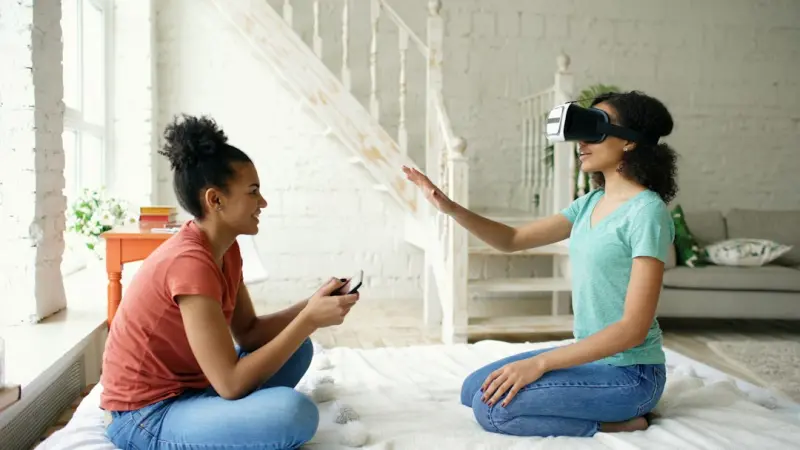
My own grandparents taught me that a good story, shared over a cup of tea, can be as nourishing as any soup. The problem is, in our fast‑moving, screen‑obsessed world, those intimate, inter‑generational gatherings are shrinking. That’s where virtual communities step in, offering a scalable, low‑risk platform for seniors to keep their brains buzzing, their hearts warm, and their sense of purpose alive.
The Science of Social Connection and Brain Health
Neuroscience tells us that social interaction is a neuroprotective factor. Each meaningful conversation triggers the release of oxytocin, dopamine, and a cascade of growth factors that support synaptic plasticity. In older adults, these chemicals help preserve the hippocampus – the brain region critical for memory formation.
Unfortunately, isolation is a silent predator. Studies show that seniors who experience chronic loneliness are up to 30% more likely to develop cognitive decline. The good news? The brain is remarkably adaptable, even in later life. By providing regular, purposeful social stimuli, we can literally rewire neural pathways.
Virtual Communities: More Than Just Video Calls
When most people think “online community,” they picture a Zoom call with a few familiar faces. That’s a start, but the next generation of platforms goes far beyond basic video chats. Think of immersive environments where participants can:
- Attend a live virtual lecture on art history, followed by a breakout discussion with peers worldwide.
- Join a guided meditation session that synchronizes breathing patterns across participants, creating a shared sense of calm.
- Participate in collaborative games designed to challenge memory, attention, and problem‑solving skills.
All of these activities are anchored in the principle of “cognitive load balance” – offering enough challenge to stimulate the brain without overwhelming it.
Micro‑Movements Meet Digital Interaction
One of my favorite discoveries in the senior wellness space is the power of micro‑movements. These tiny, intentional motions – a shoulder roll, a seated leg extension, a gentle neck stretch – can be seamlessly woven into virtual gatherings.
Imagine a weekly “movement circle” where participants follow a short guided routine while chatting about the week’s book club pick. The result is a double‑dose of benefit: improved circulation and joint health from the movement, plus the cognitive boost from the conversation.
These micro‑movements also serve as a natural “reset button” for attention. By briefly shifting physical posture, seniors can re‑engage their prefrontal cortex, making the ensuing discussion more focused and memorable.
Gut Health, Brain Health, and the Digital Diet
It may sound far‑fetched, but the gut‑brain axis is a critical piece of the senior health puzzle. A thriving microbiome can reduce inflammation, support mood regulation, and even influence neurogenesis. For seniors navigating the digital realm, nutrition often takes a backseat to convenience.
Integrating simple dietary guidance into virtual community platforms can make a massive difference. A short, weekly segment that highlights a gut‑friendly recipe – think fermented foods, fiber‑rich veggies, and probiotic‑laden smoothies – can empower participants to make choices that support both their gut and their mind.
When seniors see the direct link between what they eat and how they feel during a lively online discussion, the motivation to adopt healthier habits skyrockets.
Designing the Ideal Virtual Experience for Seniors
Creating a digital environment that feels welcoming to older adults requires thoughtful design:
- Clear Navigation: Large buttons, high‑contrast text, and intuitive icons reduce the learning curve.
- Audio Quality: Crystal‑clear sound is essential; many seniors rely on subtle vocal cues to stay engaged.
- Moderated Spaces: A facilitator who can gently guide conversation, manage turn‑taking, and ensure everyone feels heard.
- Personalization: Allow users to select topics they care about – from gardening to classic cinema – so the community feels relevant.
When these elements align, the virtual space becomes a second living room – a place where seniors can gather, share, and thrive without the barriers of geography or mobility.
Case Study: The “Silver Scholars” Initiative
Last year I partnered with a nonprofit that launched “Silver Scholars,” a virtual learning circle for adults 65+. Participants met twice a week: once for a 30‑minute lecture on a rotating topic (history, science, literature) and once for a 45‑minute discussion group.
Key outcomes after six months:
- Memory Recall: Participants showed a 20% improvement on standard recall tests.
- Social Connectedness: Survey scores indicated a 35% increase in feelings of belonging.
- Physical Activity: Incorporating micro‑movements led to a measurable rise in daily step counts, as reported by wearable devices.
What made “Silver Scholars” successful was the deliberate blend of cognitive challenge, social interaction, and gentle physical activity – all delivered through a user‑friendly digital platform.
Overcoming Common Barriers
Many seniors hesitate to dive into virtual spaces due to:
- Technology Anxiety: The fear of “breaking” a device or “messing up” the call.
- Sensory Limitations: Hearing loss, vision impairment, or reduced fine motor skills.
- Privacy Concerns: Worries about data security and unwanted exposure.
Addressing these concerns starts with education and support. Offering one‑on‑one onboarding sessions, providing simple troubleshooting guides, and using platforms with robust privacy controls can dramatically increase adoption rates.
Future Directions: AI‑Powered Companions for Seniors
While the focus of this article is on community, the next frontier lies in AI‑driven companions that can personalize content in real time. Imagine a virtual assistant that monitors a senior’s speech patterns, detects subtle signs of cognitive fatigue, and suggests a short “brain break” with a micro‑movement or a quick mindfulness exercise.
Such technology could act as a bridge, nudging seniors toward the right community activities at the optimal moment, thereby maximizing engagement and benefit.
Putting It All Together: A Blueprint for Seniors, Caregivers, and Providers
- Identify Interests: Conduct a quick survey to discover the topics seniors are most passionate about.
- Choose a Platform: Select a user‑friendly solution with high‑quality audio, video, and screen‑sharing capabilities.
- Integrate Micro‑Movements: Embed short movement breaks into every session.
- Highlight Nutrition: Share easy, gut‑friendly recipes and discuss their impact on brain health.
- Facilitate Moderation: Train a facilitator to keep conversations inclusive and on‑track.
- Measure Impact: Use simple cognitive tests, mood surveys, and activity trackers to assess outcomes.
- Iterate: Adjust topics, pacing, and technology based on participant feedback.
By following this roadmap, we can transform digital isolation into a vibrant, supportive ecosystem that keeps seniors mentally agile, socially connected, and physically active.
Final Thoughts: The Gift of Connection
When I sit down with my own grandparents and listen to their stories, I’m reminded that the most valuable medicine is often intangible – a laugh shared, a curiosity sparked, a sense of belonging felt. Virtual communities, when thoughtfully designed, can deliver that medicine at scale, ensuring that seniors everywhere have a seat at the table of lifelong learning and thriving.
So the next time you think about senior health, don’t just count the steps they take. Count the conversations they have, the ideas they explore, and the tiny movements they make – all of which combine to create a richer, more resilient brain.

Craig Brett is a freelancer with a passion for the outdoors. His love for nature inspires his work, bringing authentic and engaging perspectives to projects related to outdoor activities, adventure, and environmental topics.
Related Posts
How Rhythm and Music Can Revitalize Senior Health
Explore the transformative power of music for seniors, from walking to beats to choir singing, and l... Read More

Finding Purpose After Retirement: How Volunteering, Mentorship, and Lifelong Learning Boost Senior Health
Explore the powerful link between purpose and senior health. From volunteer work to intergenerationa... Read More

The Importance of Mental Health in Seniors: A Holistic Approach
Mental health issues are a significant concern for seniors. Learn about the importance of mental hea... Read More
Top Posts

When Nightmares Turn Real: Decoding Sleep Terrors Through the Lens of Stress Hormones
A deep dive into the hormonal roots of sleep terrors, revealing how stress hormones disrupt sleep architecture and offering evidence‑based lifestyle tweaks to...Read More

Nurturing Your Baby’s Microbiome: Fermented Foods, Sleep, and Sensory Play
A practical guide to supporting your infant’s gut health through diet, sleep, and sensory experiences, highlighting safe fermented foods and easy daily routin...Read More

Fueling Focus: Engineering Blood Sugar for High‑Stakes Creativity
A practical guide to using protein‑fiber pairings, micro‑fuel snacks, liver support, and stress‑reduction tactics to keep blood sugar steady and boost men...Read More
Holistic Strategies for Elevating Mental Health in a Busy World
Explore holistic, actionable steps to improve mental health—covering sleep, diet, movement, and gut health—designed for busy individuals seeking lasting emo...Read More
0 Comments
Post Comment
You will need to Login or Register to comment on this post!