

Tech‑Infused Physiotherapy: How Wearables, AI, and VR Are Redefining Recovery
In the last decade, the physiotherapy landscape has undergone a seismic shift, moving from the traditional hands‑on clinic to a hybrid ecosystem where data streams and digital feedback dominate the therapeutic dialogue. Clinicians now wield algorithms as readily as manual techniques, translating biomechanical patterns into actionable insights that patients can see on a screen in real time. This convergence of science and technology not only accelerates recovery timelines but also reshapes the therapist‑patient relationship, fostering a collaborative environment where progress is quantified, visualized, and celebrated.
At the heart of this evolution are wearable sensors that cling to limbs, backs, and even shoes, capturing micro‑movements with millimeter precision and feeding continuous streams of kinetic data to secure cloud platforms. By interpreting metrics such as joint angle velocity, muscle activation latency, and ground‑reaction forces, these devices empower therapists to pinpoint compensatory patterns that might elude the naked eye during a brief office visit. Moreover, patients receive instant haptic or visual cues—vibrations, color‑coded graphs, or auditory alerts—that prompt corrective adjustments before maladaptive habits solidify, turning every walk, squat, or reach into a therapeutic rehearsal.
Mobile applications serve as the connective tissue between clinic and home, translating raw sensor outputs into intuitive dashboards that track adherence, pain scores, and functional milestones over weeks or months. The user‑friendly interfaces allow patients to log subjective experiences, set personalized goals, and receive automated reminders for stretching or strengthening routines, thereby cultivating a sense of agency often missing in conventional rehab protocols. When therapists remotely review these dashboards, they can modify exercise prescriptions on the fly, reducing the need for frequent in‑person visits while maintaining clinical oversight.
Artificial intelligence has entered the fray as a sophisticated coach, employing computer‑vision algorithms to analyze video submissions and compare movement trajectories against evidence‑based templates. These AI models flag deviations in real time, offering granular feedback such as “increase hip extension by 5° during gait” or “engage core musculature before initiating lumbar flexion.” By standardizing assessment criteria, AI diminishes inter‑rater variability and provides a reproducible benchmark for progress, which is especially valuable in multi‑disciplinary teams where consistency is paramount.
Virtual reality (VR) adds an immersive layer to rehabilitation, transporting patients into controlled environments that gamify repetitive exercises while ensuring correct form. Through motion‑tracked controllers and head‑mounted displays, individuals can practice balance on a virtual beam, perform squat challenges on a mountain trail, or engage in rhythm‑based coordination drills that mimic real‑world tasks. The immersive nature of VR not only heightens engagement but also offers precise quantification of performance metrics—time to completion, error rates, and postural sway—allowing therapists to fine‑tune protocols with data that previously required elaborate lab setups.
Telehealth platforms have matured beyond simple video calls, integrating scheduling tools, secure file exchange, and real‑time sensor streaming into a single seamless workflow. This integrated approach reduces administrative friction, enabling clinicians to focus on therapeutic decision‑making rather than technical troubleshooting. Additionally, the ability to review live sensor feeds during a virtual session means that therapists can correct form, adjust resistance levels, and demonstrate modifications instantly, preserving the tactile nuance of in‑person care within a digital framework.
With great data comes great responsibility; the influx of personal health information mandates rigorous adherence to privacy standards, encryption protocols, and informed consent processes. Therapists must become stewards of digital ethics, ensuring that data storage complies with regional regulations and that patients understand how their movement profiles may be used for research or quality improvement. Transparent communication about data use not only builds trust but also safeguards the therapeutic alliance from potential breaches of confidence.
The future is inevitably hybrid, blending the tactile expertise of seasoned physiotherapists with the analytical power of technology. While wearables and AI drive precision, complementary modalities such as Creative Arts as a Catalyst in Physiotherapy remind us that the human element—music, movement, and emotional connection—remains irreplaceable. By embracing a multimodal toolkit that includes Micro‑Break Mastery principles for office ergonomics, clinicians can craft individualized pathways that honor both the science of biomechanics and the art of healing.
For practitioners ready to embark on this digital transformation, the first steps are deceptively simple: audit your current technology stack, select a wearable platform that aligns with your patient demographics, and allocate weekly time for data review and AI‑driven case discussions. Pair these actions with ongoing education—webinars, certification courses, and peer‑learning circles—to stay abreast of emerging algorithms and VR content libraries. By iteratively integrating technology, physiotherapists can unlock higher success rates, deeper patient satisfaction, and a resilient practice that thrives in the age of information.

Related Posts

Rewilding Rehabilitation: How Outdoor Play Revitalizes Physiotherapy
Physiotherapist Jessica Hall explores the untapped power of outdoor, play‑focused rehabilitation, ... Read More
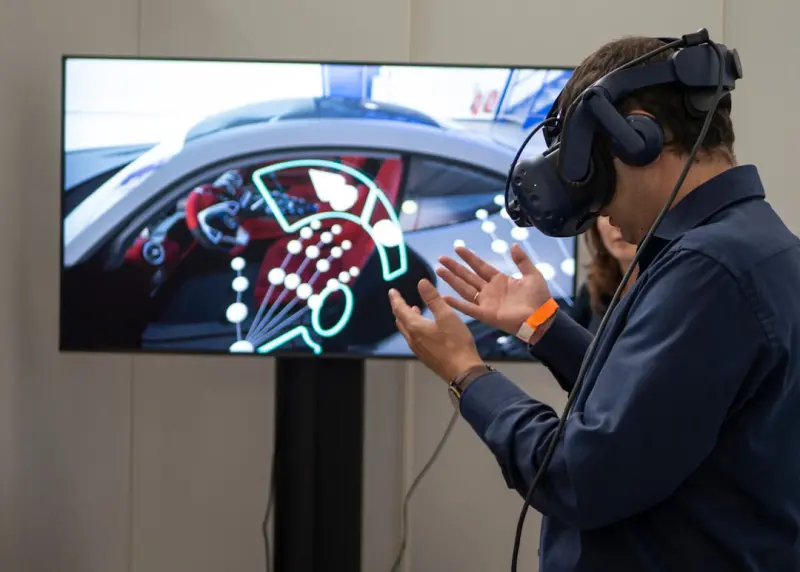
Stepping Into the Future: How Virtual Reality is Transforming Physiotherapy
Virtual reality is turning physiotherapy from routine exercises into engaging, data‑rich experienc... Read More

Gamified Physiotherapy: Turning Rehab into Playful Progress
Traditional physiotherapy exercises often suffer from low adherence and boredom. This post explores ... Read More
Top Posts
The Holistic Playbook for Lifelong Vitality
A personal guide to thriving longer through mindful habits, functional movement, gut health, and community connection—crafted for everyday vitality....Read More

Beyond the Metrics: Redesigning Workplace Culture to Support Eating Disorder Recovery
A deep dive into how modern workplace culture, remote work dynamics, and tech influence disordered eating—and practical steps leaders can take to create a sup...Read More

Holistic Muscle Gain: A Whole‑Body Blueprint for Sustainable Strength
A holistic guide to building muscle that integrates nutrition, smart training, recovery, hormonal balance, and mental resilience for sustainable strength....Read More

Living Awake: My Personal Journey with Narcolepsy
A candid, holistic look at daily life with narcolepsy—nutrition, exercise, brain health, and community—offering practical strategies and hopeful empowerment...Read More
0 Comments
Post Comment
You will need to Login or Register to comment on this post!