
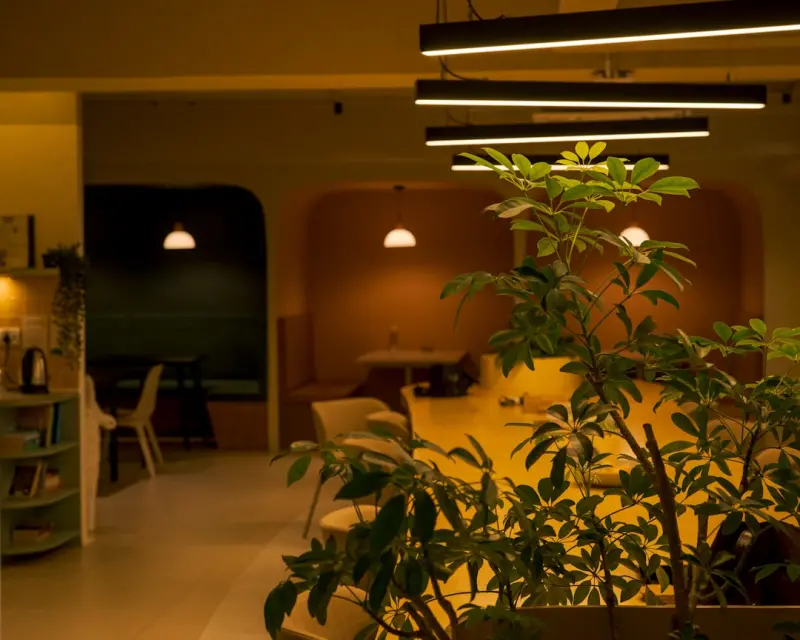
Imagine stepping into a workspace that feels like a sunrise, not a fluorescent bunker. The subtle hum of LED panels, the warm glow of natural light spilling across desks, and the gentle shift of color temperature as the day progresses—all of these cues silently dictate how our bodies perform, think, and recover. While most of us obsess over caffeine, ergonomic chairs, or the latest productivity hack, the light that bathes our work environment is the most underrated health lever we have.
The Science Behind Light and the Human Body
Our bodies run on a 24‑hour internal clock known as the circadian rhythm. This rhythm is synchronized primarily by light exposure, especially the blue‑rich spectrum of morning daylight. When our eyes detect this light, a cascade of hormonal signals—most notably the suppression of melatonin and the release of cortisol—kick‑starts alertness, sharpens cognition, and primes us for activity.
Conversely, exposure to low‑intensity, warm‑tone lighting in the evening signals the brain to wind down, facilitating the production of melatonin, the hormone that shepherds us into restorative sleep. Disrupt this delicate dance, and you’ll see a spike in eye strain, mood swings, metabolic imbalance, and even chronic inflammation.
Why Traditional Office Lighting Misses the Mark
Most corporate spaces still rely on static, high‑intensity fluorescent tubes. These lights emit a harsh, blue‑heavy spectrum that can keep melatonin at bay long after the workday ends. The result? Employees experience a “second‑day” feeling—persistent fatigue, reduced focus, and a higher propensity for stress‑related ailments.
- Constant glare leads to digital eye strain, manifesting as headaches, blurred vision, and dry eyes.
- Monotonous lighting fails to cue natural breaks, encouraging prolonged periods of uninterrupted screen time.
- Lack of variability deprives the body of the subtle cues needed to transition between high‑energy and restorative states.
It’s not just about comfort; it’s about physiological alignment. When lighting doesn’t support our circadian rhythm, we inadvertently sabotage our immune function, hormone balance, and even the gut‑brain connection, which thrives on regular sleep‑wake cycles.
Designing a Light‑Optimized Workspace: A Step‑by‑Step Blueprint
Below is a practical, data‑driven approach you can implement today, whether you manage a startup, a mid‑size firm, or a remote‑first team.
1. Audit Your Current Light Environment
Start with a simple light meter (many smartphones have apps for this). Measure:
- Intensity (lux): Aim for 300–500 lux in task areas, 100–200 lux in collaborative zones.
- Color temperature (Kelvin): 5000‑6500K in the morning, 3000‑3500K by late afternoon.
- Glare and flicker: Note any hotspots or buzzing from fluorescent fixtures.
2. Introduce Dynamic Lighting Controls
Modern LED systems allow you to program lighting schedules that mimic natural daylight. Set them to:
- Morning boost: Bright, cool light (6500K) for the first two hours.
- Midday balance: Slightly warmer (5000K) to reduce eye fatigue.
- Evening wind‑down: Warm, dimmed light (3000K) after 5 PM.
These shifts can be automated via IoT platforms, syncing with calendar events, occupancy sensors, or even personal preferences stored in employee profiles.
3. Leverage Natural Light
If your office has windows, make them a centerpiece, not a afterthought. Strategies include:
- Adjustable blinds that tint automatically based on solar intensity.
- Desk positioning to face the light source, reducing screen glare.
- Reflective surfaces (light-colored walls, glass partitions) that bounce daylight deeper into the space.
4. Encourage Light‑Friendly Behaviors
Even the best lighting system falters if employees don’t use it wisely. Promote habits such as:
- Taking walking meetings outdoors during daylight hours.
- Scheduling “sunlight breaks”—five‑minute pauses to step outside or gaze at a window.
- Using blue‑light filter apps on screens after 4 PM to complement the dimmed environment.
5. Integrate Light Into Your micro‑habits Framework
Micro‑habits are tiny, repeatable actions that stack up to big outcomes. Pair light‑based cues with existing routines:
- Post‑lunch focus sprint: Turn on a bright, cool light for a 25‑minute Pomodoro.
- Pre‑meeting prep: Dim the lights 15 minutes prior to reduce stress hormones.
- End‑of‑day reset: Activate warm lighting and a short guided breathing exercise to cue relaxation.
Health Benefits Backed by Research
When you align office lighting with circadian biology, the payoff is measurable:
- Enhanced cognitive performance: Studies show a 12‑15% increase in reaction time and working memory under dynamic lighting.
- Reduced eye strain: Proper spectrum and intensity cut reported headaches by up to 30%.
- Improved mood: Employees report higher satisfaction scores, correlating with lower cortisol levels.
- Better metabolic health: Consistent light cues help regulate insulin sensitivity, lowering the risk of weight gain.
These outcomes translate directly into business metrics: lower absenteeism, higher retention, and a tangible edge in innovation.
Case Study: A Tech Startup’s Light Revamp
One fast‑growing SaaS company swapped their fluorescent grid for a programmable LED system and introduced “sunshine zones” near large windows. Within three months, they logged:
- 15% rise in project completion speed.
- 20% drop in self‑reported fatigue.
- Reduced turnover, attributing the change to “a healthier work environment.”
The secret? They didn’t just install new fixtures; they wove lighting into their culture—pairing it with walking meetings, encouraging daylight breaks, and reinforcing the practice through a micro‑habit checklist.
Overcoming Common Implementation Hurdles
Budget constraints: Start small. Replace high‑traffic zones first, or use affordable smart bulbs that can be controlled via phone apps.
Resistance to change: Involve employees in the design process. Conduct surveys to gauge preferred light levels and color temperatures.
Technical complexity: Partner with lighting consultants who specialize in circadian‑aligned solutions. Many vendors now offer plug‑and‑play systems with minimal wiring.
Future Trends: Light as a Data Source
Emerging technologies are turning lighting into a feedback loop for health monitoring. Wearable devices can detect pupil dilation and suggest real‑time lighting adjustments. AI‑driven platforms will soon predict optimal light settings based on an individual’s calendar, sleep patterns, and even stress markers.
Imagine a workspace where your desk lamp brightens automatically as you approach a deadline, then softens as you transition to a brainstorming session. The convergence of IoT, AI, and human‑centric design will make this a reality within the next few years.
Take Action Today
Whether you’re a facilities manager, HR leader, or a remote employee with a home office, the power to transform health through light is at your fingertips. Here’s a quick starter checklist:
- Assess current lighting with a lux meter.
- Swap at least one fluorescent fixture for a dynamic LED panel.
- Schedule a daily 5‑minute outdoor or window break.
- Integrate light cues into your existing micro‑habit framework.
- Collect employee feedback after a month and iterate.
The payoff isn’t just brighter walls—it’s a sharper mind, steadier mood, and a body that thrives on the rhythm of light. Let’s illuminate the path to healthier, more productive workdays.

Sarah Gray is a proud Canadian who calls Brampton home, where she lives with her husband, Paul. A passionate home cook and gifted storyteller, Sarah loves creating delicious recipes and sharing stories inspired by everyday life, family, and cherished experiences. When she isn't experimenting in the kitchen, she's busy crafting engaging content that reflects her warmth, creativity, and love of connection. Above all, Sarah treasures time spent with her grandchildren, embracing every opportunity to create lasting memories with the people she loves most.
Related Posts

Seasonal Light: The Hidden Health Booster
Natural daylight is a powerful, often overlooked health tool. This article explores how seasonal lig... Read More

Unlocking Everyday Energy: My Holistic Secrets for Sustainable Vitality
Explore my personal, holistic approach to everyday vitality—nutrition, movement, sleep, and commun... Read More
Unlocking Stress Resilience: How Biofeedback Wearables Are Changing Health
Biofeedback wearables translate your body's stress signals into real‑time insights, offering actio... Read More
Top Posts

The Healing Power of Companionship: How Pets and Community Boost Senior Health
Companionship—through pets, community gardens, and intergenerational programs—offers powerful health benefits for seniors, from stronger immunity to enhance...Read More
Beyond the Mirror: A Holistic View of Eating Disorders
A personal, holistic guide to overcoming eating disorders, focusing on mind‑body connections, community, and integrative health strategies for sustainable hea...Read More

Playful Movement and Habit Architecture: A Fresh Path to Sustainable Weight Loss
A fresh, playful approach to weight loss focuses on habit architecture, emotional anchors, and sensory nutrition, turning the journey into a joyful, sustainable...Read More
The Power of Micro‑Movements: Recharging Your Brain Between Meetings
Micro‑movement offers a practical, science‑backed way for professionals to boost energy and mental clarity by integrating brief, intentional exercises into ...Read More
0 Comments
Post Comment
You will need to Login or Register to comment on this post!