
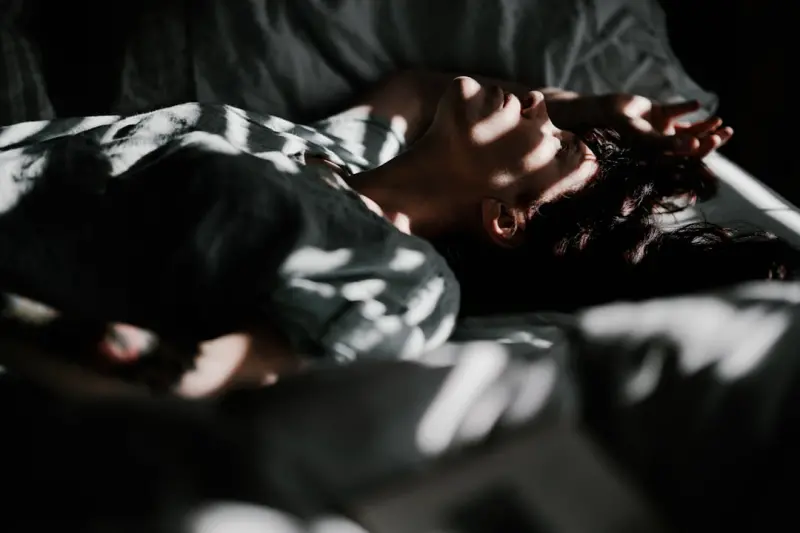
Daytime Dozing, Nighttime Dreaming: How Narcolepsy Can Fuel Creative Flow
When I was first diagnosed with narcolepsy, my brain felt like a restless ocean—waves of sleep crashing at the most inconvenient moments. I spent years learning to dodge sudden nods in meetings, to keep coffee within arm’s reach, and to master the art of the strategic nap. What I didn’t expect was that the very condition that stole my uninterrupted focus would also become a secret weapon for my creative projects.
In this post I’ll walk you through the unexpected ways narcolepsy can be harnessed for creativity, productivity, and personal growth. I’ll share practical tactics that have helped me turn involuntary “sleep intrusions” into moments of insight, and I’ll explain why embracing the dreamy side of our brains may be the next frontier for innovators.
The Science Behind Narcolepsy’s Dream‑State Overlap
Narcolepsy isn’t just about falling asleep at the wrong time; it’s a disorder of sleep‑wake regulation. The brain’s hypocretin (orexin) system, which stabilizes wakefulness, is compromised. As a result, REM sleep—where most dreaming occurs—can intrude while we’re still physically awake. This phenomenon, called sleep‑onset REM periods (SOREMPs), means that the mind can enter a vivid, associative state in the middle of a workday.
Neuroscientists have long known that REM sleep is a hotbed for creative problem‑solving. During REM, the brain’s default mode network (DMN) activates, allowing distant ideas to link in novel ways. For most people, we only get this benefit after a full night’s sleep. For those with narcolepsy, the DMN can flick on like a light switch during a brief “microsleep.” The challenge—and opportunity—is learning to capture that fleeting spark before the brain snaps back to executive mode.
Reframing the “Disruption” as a “Design Prompt”
My first breakthrough came when I stopped treating narcoleptic episodes as interruptions and started seeing them as design prompts. Instead of fighting the urge to nod off, I’d keep a portable idea notebook (or a notes app on my phone) within reach. When a sudden wave of drowsiness hit, I’d let the mind wander, jot down any stray thoughts, images, or questions that surfaced, and then return to the task at hand.
Why does this work? The brain in a drowsy state is less filtered by the prefrontal cortex, which normally keeps our thoughts linear and goal‑directed. This loosening of cognitive control opens the door to remote associations—the same type of mental leaps that lead to breakthrough ideas. By giving those associations a place to land on paper, you preserve the raw material for later synthesis.
Three Concrete Practices to Capture Narcoleptic Insight
- Micro‑Journaling: Keep a small, tactile notebook or a voice memo app open during work. When you feel the first hint of a “sleep drift,” spend 30‑60 seconds recording whatever pops up—phrases, sketches, or even a single word. The key is speed, not polish.
- Dream‑Map Sessions: At the end of each day, allocate 10‑15 minutes to review your micro‑journal entries. Look for recurring symbols, themes, or questions. Map them on a mind‑map canvas, connecting dots that might seem unrelated. This practice turns random nap‑time flashes into a coherent creative pipeline.
- Strategic Power‑Nap Pairing: Pair a short nap (10‑20 minutes) with a specific problem you’re wrestling with. Before you close your eyes, mentally phrase the challenge in a single sentence. When you wake, note any new angles that emerge. This technique leverages the brain’s natural tendency to “work on” the problem during REM.
Nutrition, Hydration, and the “Energy Budget” for a Narcoleptic Brain
While sleep‑related techniques are crucial, they’re only half the equation. My own research into glucose budgeting revealed that stable blood‑sugar levels can reduce the frequency of sudden sleep attacks. The brain’s primary fuel—glucose—fluctuates dramatically after high‑glycemic meals, leading to spikes and crashes that exacerbate narcoleptic symptoms.
Here are my go‑to nutrition rules:
- Balanced Macronutrients Every 3‑4 Hours: Pair protein with complex carbs and healthy fats to sustain a steady glucose supply.
- Low‑Glycemic Snacks: Nuts, seeds, and Greek yogurt keep energy levels smooth without the crash of sugary bars.
- Hydration with Electrolytes: Dehydration can trigger fatigue. I sip water infused with a pinch of sea salt and magnesium throughout the day.
When you feed the brain consistently, the “sleep‑onset REM” episodes become less random and more predictable, which in turn makes it easier to schedule creative capture sessions.
Designing Your Environment for “Dream‑Friendly” Work
My workspace has evolved from a chaotic desk littered with coffee cups to a deliberately “dream‑friendly” zone. Here’s what I added:
- Soft, Adjustable Lighting: Warm, dimmable lights reduce the contrast between wakefulness and REM, allowing transitions to feel smoother.
- Acoustic Cues: Gentle ambient sounds (rain, low‑frequency hums) mimic the auditory environment of REM, helping the brain stay in a semi‑dream state without fully nodding off.
- Ergonomic “Nod‑Stations”: A recliner with lumbar support and a small pillow provides a safe spot for micro‑naps, preventing you from collapsing onto your keyboard.
These tweaks echo the ideas discussed in quiet motion research, where tiny, intentional adjustments to posture and environment can rewrite how our bodies respond to stress and fatigue.
Turning Narcolepsy into a Collaborative Asset
One of the most surprising lessons I learned was that my condition can actually enhance teamwork. When I share my “micro‑journal” habit with colleagues, we create a collective pool of half‑formed ideas. In brainstorming sessions, I’ll read aloud a snippet from my notes, and often a teammate will latch onto it and expand it in a direction I’d never imagined.
This practice aligns with the philosophy of social‑first approaches—leveraging community to amplify personal effort. In my case, the community amplifies the spontaneous insights that narcolepsy gifts us.
Balancing Boundaries: When Dreaming Becomes Overwhelming
It’s easy to romanticize the “creative burst” narrative, but the reality is that uncontrolled sleep attacks can still wreck a day. The key is establishing boundaries:
- Scheduled “Recovery Windows”: Block 30 minutes twice a day for intentional rest, separate from creative nap sessions. This prevents the brain from entering a constant “low‑energy” mode.
- Digital Time‑Outs: Screens emit blue light that interferes with melatonin production. I use a blue‑light filter after 7 p.m. and keep my phone on “Do Not Disturb” during power‑naps to avoid abrupt awakenings.
- Professional Support: Working with a sleep specialist who understands narcolepsy can tailor medication regimens that reduce excessive daytime sleepiness while preserving REM‑related creativity.
When you respect the limits of your body, you create a sustainable cycle where creative bursts are a gift rather than a liability.
Future‑Thinking: Could Narcolepsy Inform AI‑Assisted Creativity?
Artificial intelligence tools are getting better at mimicking human associative thinking. Imagine a future where a wearable device detects the onset of a narcoleptic episode, triggers a voice recorder, and then feeds the raw audio into an AI that surfaces patterns, suggests related research, or even drafts outlines based on your fragmented thoughts.
We’re already seeing early prototypes in the neuro‑fitness space, where brainwave monitors translate focus states into actionable feedback. Extending that to capture the “dream‑state” could turn the most private, involuntary moments into publicly shareable innovation pipelines.
Closing Thoughts: Embrace the Day‑Night Dance
Narcolepsy may have thrust me into a world where the line between wakefulness and dreaming blurs, but it also handed me a backstage pass to the brain’s most imaginative theater. By reframing sleep intrusions as creative prompts, optimizing nutrition, curating a dream‑friendly environment, and sharing the process with a supportive community, I’ve turned what once felt like a handicap into a unique competitive edge.
If you’re living with narcolepsy—or supporting someone who does—consider experimenting with the practices above. You might discover that the very moments you once dreaded are the exact windows where your most original ideas are waiting to surface.

Nikki McDonald is a freelancer based in Waterloo. She brings her skills and expertise to various projects, balancing her professional work with a personal life that includes her husband, Stewart.
Related Posts

Living with Narcolepsy: Designing Workflows That Respect Your Brain’s Rhythm
A practical guide on turning narcolepsy’s challenges into workplace strengths, using wearables, st... Read More
Rethinking Narcolepsy: A Neurodiversity Advantage in the Workplace
Narcolepsy, often seen as a disruptive sleep disorder, offers unique cognitive strengths. This artic... Read More

Harnessing Narcolepsy’s Unexpected Edge for Creative Success
Discover strategies to capture spontaneous ideas, adapt work environments, and use humor to thrive w... Read More
Top Posts
Rewriting the Script: Storytelling as a Lifeline for Eating Disorder Recovery
A fresh look at how sharing your story—through writing, voice, or art—can rewire your brain, nurture self‑compassion, and empower lasting recovery from ea...Read More

Breathing New Life Into Eating Disorder Recovery
Explore the transformative power of breathwork in eating‑disorder recovery, blending science, simple techniques, and real‑world success stories for lasting ...Read More

The Invisible Detox: How to Clear Everyday Chemical Overload
A step‑by‑step guide shows how to audit hidden toxins, cut exposure, and boost your body’s natural clearance systems—unlocking clearer skin, sharper foc...Read More
Designing a Blood Pressure Friendly Home: Small Changes, Big Impact
Transform your living space into a calming sanctuary that supports healthy blood pressure with practical adjustments to lighting, temperature, sound, and more....Read More
0 Comments
Post Comment
You will need to Login or Register to comment on this post!