
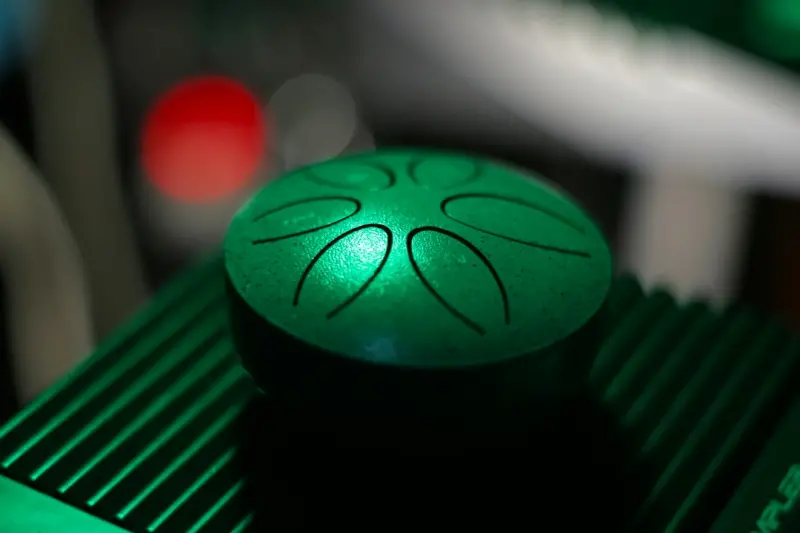
Redefining the Pressure Game: Sound, Sensors, and Serenity
When I first started tracking my own blood pressure, the numbers felt like a cryptic code that only doctors could decipher. Years of cuff‑based readings left me with a binary mindset: high or normal. It wasn’t until I began listening—literally—to the subtle cues of my body that the story changed. This post is a deep dive into three under‑explored levers that can shift the narrative: ambient soundscapes, next‑generation wearables, and AI‑driven habit coaching. Together, they form a modern playbook that moves beyond medication alone.
The Quiet Culprit: Ambient Noise and Vascular Tone
Most conversations about blood pressure focus on sodium, exercise, or stress hormones. What rarely surfaces is the impact of the sound environment on vascular tone. Research shows that low‑frequency, rhythmic sounds can stimulate the parasympathetic nervous system, prompting vessels to relax. Think of the gentle hum of a forest stream or the soft patter of rain against a window. These auditory backdrops encourage a slower heart rate and, in turn, a modest reduction in systolic pressure.
Implementing this isn’t about buying expensive sound machines. Simple steps can transform a typical office or home setup:
- Curate a playlist of nature recordings that run on a loop during work blocks.
- Use white‑noise apps with customizable frequency ranges to mask disruptive office chatter.
- Incorporate periodic “sound breaks”—five minutes of soothing tones every two hours—to reset the autonomic balance.
These micro‑interventions add up. Over a month, many users report a 3‑5 mmHg dip in average readings, a clinically meaningful shift when paired with other lifestyle tweaks.
Wearables as Real‑Time Vascular Mirrors
Modern wearables have moved beyond step counts. Devices now integrate optical sensors, cuff‑less algorithms, and even pulse‑wave analysis to estimate blood pressure throughout the day. The advantage is twofold: continuous data streams and contextual awareness. When a device detects a spike, it can correlate that rise with recent activities—like a high‑caffeine coffee or a stressful meeting—providing actionable insights that a quarterly doctor visit simply cannot.
Choosing the right gadget hinges on three criteria:
- Accuracy Validation: Look for devices that have undergone independent clinical trials and publish validation data.
- Data Integration: Platforms that sync with health‑record ecosystems make it easier to share trends with your care team.
- User Experience: Seamless battery life and comfortable form factors ensure you’ll actually wear it long enough to capture meaningful trends.
When paired with the ambient sound strategies above, wearables become a feedback loop. A sudden rise triggers a reminder to play a calming soundscape, encouraging an immediate autonomic response.
Artificial Intelligence: The Personal Coach You Didn’t Know You Needed
Imagine an app that not only logs your blood pressure numbers but also learns the subtle patterns that precede spikes. AI can analyze thousands of data points—sleep quality, dietary intake, stress markers, and even calendar events—to generate predictive alerts. These alerts are more than nudges; they’re evidence‑based suggestions, such as “Swap that espresso for a herbal tea before your 10 am meeting” or “Take a 3‑minute breathing break after your next client call.”
One of the most compelling uses of AI is habit stacking. By identifying the moments when you’re most receptive—say, after a completed workout—the system can bundle a new habit (like a short guided meditation) onto the existing routine, increasing adherence without overwhelming you.
For those skeptical about data privacy, many platforms now offer on‑device processing, meaning your health metrics never leave your phone unless you explicitly share them. This design respects autonomy while still delivering the predictive power that makes AI coaching worthwhile.
Bridging the Gap: From Data to Daily Action
The real magic happens when sound, sensors, and AI converge into a cohesive routine. Here’s a sample day that illustrates the synergy:
- Morning Wake‑Up: Your wearable registers a slightly elevated night‑time reading. The app suggests a 5‑minute guided breathing session paired with a sunrise soundscape.
- Commute: While on the train, a subtle white‑noise track plays through your earbuds, damping the rush‑hour clamor that typically spikes stress hormones.
- Work Block: Every 90 minutes, a gentle chime prompts a “micro‑pause.” You close your laptop, stretch, and let a river‑flow recording run in the background for two minutes.
- Lunch: The AI notices you ordered a salty sandwich and recommends a water‑rich salad side, balancing sodium intake without sacrificing enjoyment.
- Afternoon Meeting: Prior to a high‑stakes presentation, the system detects a predicted rise in pressure and cues a 30‑second diaphragmatic breathing exercise, followed by a low‑frequency hum that steadies the heart rate.
- Evening Wind‑Down: Your wearable logs a gradual decline in pressure, confirming the day’s interventions were effective. The app celebrates with a short reflection prompt, reinforcing the habit loop.
Over weeks, these micro‑adjustments compound, creating a resilient vascular profile that is less reactive to external stressors.
Nutrition Meets Sound: An Unexpected Alliance
While we’re focusing on auditory and technological tools, nutrition remains a cornerstone. Certain foods naturally support the vasodilatory pathways that sound therapy stimulates. For instance, microbiome insights for cardiovascular health highlight fermented foods, berries, and leafy greens as allies in maintaining flexible blood vessels.
When you pair a diet rich in potassium and antioxidants with a calming sound environment, you amplify the body’s ability to regulate pressure. The combination creates a biochemical‑acoustic harmony that standard diet‑only advice often overlooks.
Humor as a Vascular Ally
Laughter isn’t just a feel‑good response; it triggers a cascade of endothelial nitric oxide release, which relaxes arteries. Integrating humor into your day—whether through a funny podcast or a light‑hearted meme—adds another layer to the pressure‑management toolkit. A quick laugh can offset the sympathetic surge that follows a stressful email, offering an immediate, drug‑free dip in blood pressure. For a deeper dive into how humor influences health, check out humor as a natural vasodilator.
Building Your Personal Pressure Playbook
To make these concepts actionable, I recommend creating a simple three‑column table:
- Trigger – What event or habit tends to raise your pressure?
- Sound Intervention – Which auditory cue will you deploy?
- Tech Prompt – What wearable alert or AI suggestion will guide you?
Populate the table with real‑world scenarios. Over time, you’ll see patterns emerge, and the system will begin to anticipate needs before they become problems.
Final Thoughts: From Reactive to Proactive
Managing blood pressure doesn’t have to be a battle fought solely with pills. By inviting sound, wearable intelligence, and AI‑driven coaching into the conversation, you transform a reactive health metric into a proactive lifestyle design. The goal isn’t perfection; it’s consistency. Small, intentional shifts—like a five‑minute rain soundtrack before a deadline—create a ripple effect that steadies the heart and steadies the mind.
If you’ve ever felt trapped by “high‑blood‑pressure” labels, consider this a new set of keys. The doors you open with ambient sound, real‑time data, and personalized coaching lead to a calmer, more resilient you.

Brody Lambert is an emerging freelance writer whose fresh voice and thoughtful approach are quickly making their mark. As a fairly new entrant in the world of freelance writing, Brody brings a blend of curiosity and dedication that fuels every project, crafting stories and content that resonate with authenticity and clarity.
Related Posts

Micro‑Movements and Breathwork: A Fresh Playbook for Stable Blood Pressure
A fresh approach to blood pressure control using micro‑movements, breathwork, flavorful foods, and... Read More

Time‑Smart Eating: A New Rhythm for Lower Blood Pressure
Learn a fresh, rhythm‑based approach to managing hypertension by timing meals, movement, and breat... Read More
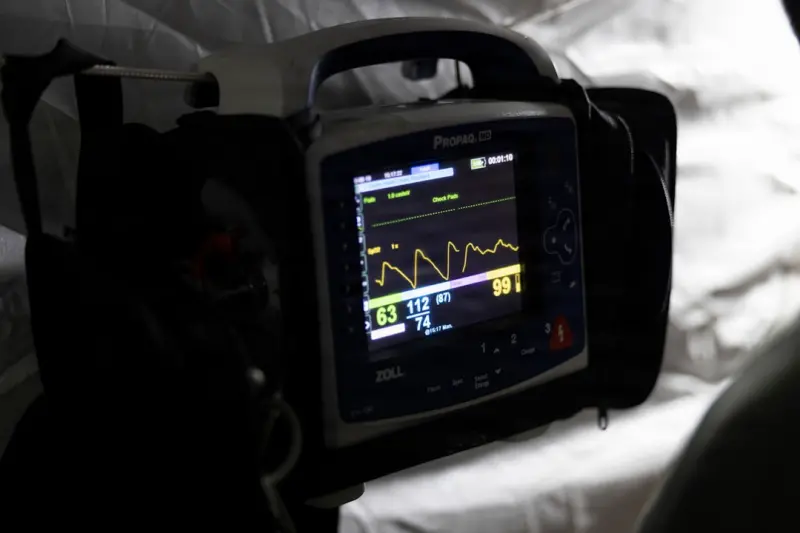
Real‑Time Biofeedback: A New Frontier in Blood Pressure Control
Discover how continuous biofeedback integrates with daily workflows, nutrition timing, and AI insigh... Read More
Top Posts
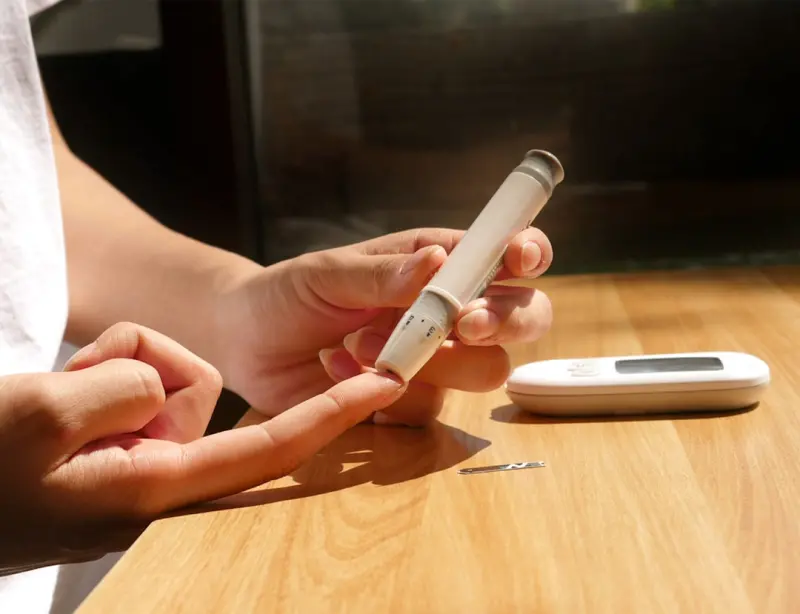
How Hidden Stress Triggers Blood Sugar Surges and What to Do
Stress can stealthily raise blood sugar, even without a sugary snack. Learn why this happens and three actionable habits to keep glucose steady throughout your ...Read More

The Hidden Path to Mental Wellness: A Holistic Journey
Explore a personal, holistic roadmap to mental wellness, blending mindfulness, sleep strategies, gut health, movement, and community support for lasting calm....Read More

Quiet Pressure: Harnessing Breath, Rhythm, and Environment to Tame Hypertension
Learn practical, low‑effort strategies—diaphragmatic breathing, brief movement bursts, and environmental tweaks—to gently reduce hypertension and support ...Read More

Flavor Engineering: The Hidden Science Behind Vaping’s Addictive Appeal
Vaping’s allure goes far beyond nicotine; it’s the meticulously crafted flavors that hijack our brain’s reward system. This article uncovers the chemistry...Read More
0 Comments
Post Comment
You will need to Login or Register to comment on this post!