
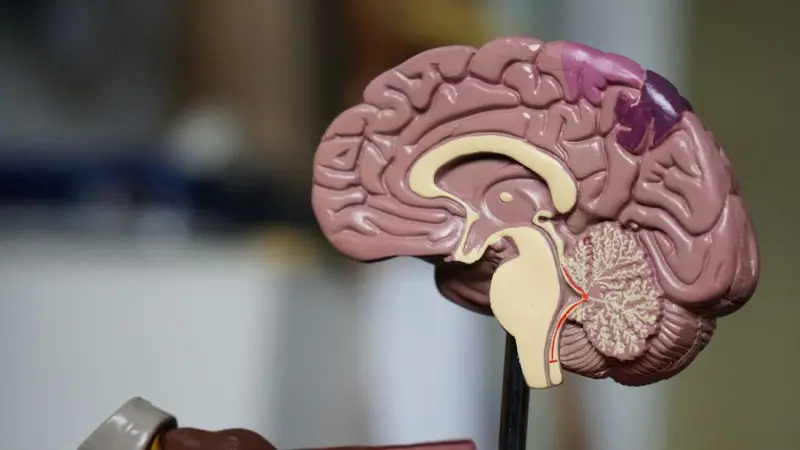
Rewiring Your Brain One Curious Moment at a Time
When I first started coaching executives on mental performance, I discovered that the most powerful upgrades didn’t come from fancy supplements or high‑tech gadgets. They came from a simple habit I cultivated early in my career: deliberate curiosity. That tiny, almost mischievous impulse to ask “what if?” or to explore a new perspective can act like a daily workout for the brain, strengthening neural pathways, boosting plasticity, and keeping mental fatigue at bay.
Why Curiosity Is the Unsung Hero of Brain Health
Neuroscientists now agree that curiosity triggers a cascade of dopamine‑rich activity in the hippocampus and prefrontal cortex. Those same regions light up when we learn something new, solve a puzzle, or experience a novel environment. The result? Enhanced memory formation, sharper focus, and a more resilient mood. In practice, a curious mind is a brain that chooses to grow rather than stagnate.
But curiosity isn’t just a mental exercise; it’s a physiological one. When you engage with something unfamiliar, your body releases neurotrophic factors like BDNF (brain‑derived neurotrophic factor). BDNF is the scaffolding that helps neurons form new connections, much like how a construction crew builds bridges between islands of information.
Three Everyday Practices to Feed Your Brain’s Curiosity
- Micro‑Explorations: Set a timer for five minutes and dive into a topic you know nothing about—whether it’s a foreign language phrase, a scientific concept, or a cultural tradition. The brief, focused burst of learning is enough to spark dopamine without overwhelming your schedule.
- Question‑First Meetings: Before you jump into the agenda, spend the first two minutes asking open‑ended questions. “What surprised you about last quarter’s results?” or “Which trend are you most excited about?” This tiny shift turns routine gatherings into labs for neural flexibility.
- Playful Sensory Challenges: Incorporate sound, scent, or tactile puzzles into your day. For example, try solving a crossword while listening to a new genre of music, or practice a short mindfulness exercise that focuses on a single ambient sound. These multisensory experiences reinforce the brain’s ability to integrate diverse inputs.
The Science Behind Sound‑Based Brain Training
One of the most exciting frontiers in cognitive health is the use of sound‑based brain‑training tools. Researchers have found that rhythmic auditory stimulation can entrain brainwaves, promoting states of relaxed alertness that are ideal for learning and problem‑solving. Think of it as a metronome for your mind, helping you maintain optimal focus while reducing the mental clutter that often leads to burnout.
Even something as simple as a gentle rain playlist can lower cortisol, the stress hormone that, when chronically elevated, impairs memory consolidation. Pairing this auditory backdrop with a micro‑exploration activity creates a synergy: the sound calms the nervous system, while the curiosity-driven task fuels neuroplastic growth.
The Gut‑Brain Connection: A Quick Detour
While curiosity is the star of this piece, it’s impossible to ignore the supporting cast of the gut‑brain connection. Your microbiome produces neurotransmitters like serotonin and GABA, which influence mood, focus, and even the desire to explore new ideas. A diet rich in diverse, fiber‑filled foods can nurture these beneficial microbes, indirectly amplifying the benefits of your curiosity practices.
Consider this: when your gut flora is balanced, you experience fewer “brain fog” moments, making it easier to stay engaged with complex topics. In other words, a happy gut sets the stage for a curious mind.
Humor as a Curiosity Catalyst
Laughter may sound like a side effect, but it’s actually a powerful cognitive booster. When you encounter something funny, your brain registers a surprise element—a core component of curiosity. That moment of unexpected amusement releases dopamine, reinforcing the neural pathways associated with creative thinking. Integrating brief humor breaks—whether a witty meme or a quick anecdote—can reset mental fatigue and prime your brain for the next learning sprint.
Designing Your Physical Space for Brain‑Friendly Exploration
Physical surroundings heavily influence the ease with which curiosity can flourish. A cluttered desk can signal the brain to stay in “maintenance mode,” while an environment that invites movement and novelty encourages the “exploration mode.” Here are a few low‑cost tweaks:
- Rotating Art: Swap out a piece of artwork or a motivational quote weekly. The fresh visual cue signals the brain that change is possible.
- Standing Curiosity Station: Keep a small, mobile shelf with intriguing objects—foreign coins, a mini puzzle, a quirky gadget. Use it as a quick distraction during breaks.
- Natural Light Zones: Position your primary work surface near a window. Sunlight boosts serotonin and supports circadian rhythms, both of which are essential for optimal cognitive function.
Measuring the Impact: Simple Self‑Assessments
Unlike a blood test, you can gauge the effect of curiosity on your brain health with quick, reflective surveys:
- At the end of each day, rate your “mental sharpness” on a scale of 1–10.
- Note any moments you felt “stuck” versus moments you experienced an “aha!” insight.
- Track the frequency of micro‑explorations and any resulting ideas or solutions.
Over a month, you’ll likely see a trend: more micro‑explorations correlate with higher sharpness scores and fewer stuck moments. This data-driven feedback loop reinforces the habit, turning curiosity into a measurable brain‑health metric.
From Curiosity to Innovation: Real‑World Success Stories
In my consulting work, I’ve seen teams transform product pipelines simply by embedding curiosity rituals. One tech startup instituted a “5‑Minute Wonder” at the start of each sprint—a rapid brainstorming session where no idea was too wild. Within two quarters, their user‑engagement metrics rose by 18% because the team was constantly probing “what could we try next?” rather than settling into routine development cycles.
Another client—a financial services firm—created “Question Fridays,” encouraging staff to submit any work‑related query, no matter how trivial. The resulting cross‑departmental discussions uncovered hidden efficiencies and sparked a new AI‑driven analytics platform that saved the company millions.
Putting It All Together: Your 30‑Day Curiosity Challenge
Ready to give your brain a systematic upgrade? Here’s a straightforward plan:
- Day 1‑7: Commit to one micro‑exploration per day (5 minutes). Choose topics outside your comfort zone.
- Day 8‑14: Pair each micro‑exploration with a curated sound backdrop (e.g., ambient nature sounds, instrumental jazz).
- Day 15‑21: Add a humor break after each work block—share a funny article or joke with a colleague.
- Day 22‑30: Reflect daily using the self‑assessment checklist, then adjust the frequency or type of curiosity activities based on your scores.
By the end of the month, you’ll likely notice sharper focus, more creative solutions, and a subtle yet persistent uplift in mood. Your brain will thank you for the consistent, enjoyable stimulus it craves.
Final Thoughts: Curiosity as a Lifelong Prescription
Brain health isn’t a one‑time fix; it’s a dynamic relationship between you and the world around you. By treating curiosity as a daily prescription—delivered in bite‑sized, enjoyable doses—you nurture the brain’s natural capacity to adapt, recover, and thrive. So, the next time you feel the pull of a new idea, let it be the spark that lights up your neural network. Your future self will be grateful.

Tammy French is a Montessori Teaching Assistant and freelance writer passionate about education, creativity, and inspiring lifelong learning through engaging content.
Related Posts
Playful Brain Training: Gamified Microlearning for Cognitive Edge
A fresh look at brain health reveals that turning learning into a game can rewire neural pathways, b... Read More
Unlocking Brain Power: The Playful Path to Cognitive Longevity
Explore simple, fun habits—like doodling, dancing, and fermenting foods—that unlock neuroplastic... Read More
Off‑Loading Your Mind: External Memory Tools for Sharper Thinking
Learn practical digital and analog strategies to off‑load low‑value information, boost working m... Read More
Top Posts

Finding Freedom: How Creative Play Redefines Our Relationship with Food
Discover how integrating creative play—such as food-inspired storyboarding, mini‑meal games, and collaborative cooking circles—can transform the rigid nar...Read More

The Quiet Revolution: How Shared Stories and Digital Communities Are Redefining Cancer Support
Exploring the power of narrative medicine and modern digital communities, this piece reveals how shared stories and tech‑driven platforms are reshaping suppor...Read More

Rewiring Your Inner Ecosystem: A Fresh Look at Gut Health
Explore a new perspective on gut health that treats the microbiome as a dynamic ecosystem, leveraging meal timing, probiotic synergy, environmental cues, and pe...Read More

How to Safeguard Your Pelvic Floor While Working a Desk‑Heavy Job
Discover ergonomics, micro‑habits, and simple physiotherapy strategies that help women protect their pelvic floor while navigating long hours at a desk....Read More
0 Comments
Post Comment
You will need to Login or Register to comment on this post!