

Why Gut Health Became My Daily Compass
When I first started tracking my meals, I noticed that my mood, energy, and even my skin seemed to follow a mysterious rhythm that could not be explained by calories alone, and that revelation sparked a deep dive into the hidden world of the gut microbiome that now guides every decision I make; I began to treat my intestines not as a passive tube but as a bustling metropolis of bacteria, fungi, and viruses that communicate constantly with my brain, hormones, and immune system, creating a feedback loop that can either fuel vitality or trigger chronic fatigue and inflammation; over months of experiments, I discovered that tiny adjustments—like swapping a sugary snack for a handful of fermented vegetables, or swapping an evening binge‑watch for a short meditation—produced measurable shifts in my digestion, mental clarity, and even my cravings, convincing me that gut health is the most powerful lever for holistic wellness.
The Microbial Orchestra Inside You
The gut houses trillions of microorganisms that collectively weigh about the same as a small brain, and their collective genetic material outnumbers our own human genome by a factor of 150, meaning they possess an immense metabolic toolbox capable of synthesizing vitamins, breaking down complex fibers, and training immune cells, all while sending chemical messages via the vagus nerve that influence our stress response and emotional balance; scientific studies now show that a diverse microbiome is linked to lower rates of obesity, depression, and autoimmune disorders, making diversity the cornerstone of a resilient gut ecosystem, and this diversity can be nurtured through a varied diet rich in prebiotic fibers, polyphenols, and live cultures; I learned that simply adding a daily serving of kimchi, a cup of lentils, or a splash of coffee can introduce new microbial allies, while excessive processed foods act like a mono‑tonal soundtrack that silences the symphony.
Fueling the Microbiome with Food Choices
My kitchen has become a laboratory where I experiment with fiber‑rich foods and fermented delights, because each soluble fiber acts as a passport for beneficial bacteria to flourish, producing short‑chain fatty acids that tighten gut lining, reduce inflammation, and even regulate appetite hormones, while fermented foods such as sauerkraut, kefir, and miso deliver live cultures that jump‑start microbial balance after a period of antibiotic use or dietary neglect; I make it a habit to plan meals around a “rainbow rule,” ensuring that every plate includes at least three colors of vegetables, a source of plant protein, and a fermented side, which not only satisfies my taste buds but also creates a complex matrix of nutrients that feed a broad spectrum of microbes, and I avoid artificial sweeteners and excessive alcohol because they act as microbial saboteurs, eroding the protective mucus layer and encouraging pathogenic overgrowth.
Stress, Sleep, and the Gut–Brain Axis
One of the most eye‑opening discoveries in my gut health journey was the realization that mental stress and sleep quality are as influential as diet, because the gut–brain axis operates through hormonal, neural, and immune pathways that can amplify or dampen inflammation depending on our emotional state; chronic cortisol spikes from work pressure or unresolved anxiety can increase gut permeability, often referred to as “leaky gut,” allowing unwanted particles to trigger immune reactions that manifest as bloating, joint pain, or skin eruptions, while poor sleep disrupts the nightly microbial rhythm that coordinates digestion and repair, creating a vicious cycle of fatigue and digestive upset; to break this loop, I now incorporate a wind‑down routine that includes dim lighting, a short gratitude journal, and a cup of herbal tea, and I practice mindful breathing during stressful moments, which has been shown to activate the parasympathetic nervous system, calm the gut, and improve the diversity of my microbiome over time.
Movement as a Microbial Mixer
Physical activity is another underappreciated tool for gut health, as moderate exercise stimulates intestinal motility, reduces transit time, and encourages the growth of anti‑inflammatory bacteria such as Akkermansia and Faecalibacterium, which are associated with better metabolic health and lower risk of chronic disease; I alternate between brisk walks, yoga flows, and short high‑intensity intervals, because each modality offers a unique benefit—walking promotes steady blood flow to the digestive tract, yoga emphasizes diaphragmatic breathing that massages the abdomen, and interval training triggers hormonal bursts that can modulate microbial composition; research even suggests that exercising outdoors exposes us to diverse environmental microbes that can seed our skin and gut, adding an extra layer of ecological richness that indoor workouts simply cannot provide.
Holistic Hacks to Boost Everyday Energy
If you’re looking for a practical roadmap that ties gut health to overall vitality, my recent guide Unlocking Everyday Energy walks you through a step‑by‑step plan that aligns nutrition, movement, stress management, and sleep into a cohesive strategy; the core of that plan is a daily “gut reset” ritual that includes a glass of warm water with lemon, a probiotic capsule, and a short stretch session to stimulate peristalsis, followed by a fiber‑dense breakfast that fuels beneficial bacteria for the day ahead, and the guide also outlines how to track your stool consistency, energy levels, and mood in a simple journal to identify patterns and adjust habits accordingly; by integrating these habits, I’ve experienced steadier blood sugar, fewer mid‑day crashes, and a clearer mind, proving that gut health truly is the engine behind sustainable energy.
Aging Gracefully Starts in the Colon
As we age, the diversity of our gut microbiome naturally declines, which can accelerate inflammation, weaken immune defenses, and impair nutrient absorption, making it essential to adopt proactive measures that preserve microbial richness; my experience aligns with the insights from A Holistic Roadmap to Healthy Aging, which emphasizes nutrient‑dense foods, regular movement, restorative sleep, and purposeful social connections—all of which have indirect but powerful effects on gut health by reducing stress hormones and providing varied substrates for bacterial fermentation; I’ve found that incorporating bone‑broth soups, omega‑3 rich fish, and a weekly “fast‑day” where I consume only light, plant‑based meals can reboot my microbiome, while staying socially active and intellectually engaged keeps my stress levels low, creating a virtuous cycle that supports both gut and overall longevity.
Women’s Wellness and the Microbiome
Women face unique gut‑related challenges such as hormonal fluctuations during menstrual cycles, pregnancy, and menopause, which can alter microbial composition and influence symptoms like bloating, mood swings, and cravings; my personal approach draws from Holistic Secrets to Thrive, which recommends tailoring fiber intake to each phase of the cycle—higher soluble fiber during luteal phases to stabilize progesterone‑induced water retention, and more fermented foods during perimenopause to support estrogen metabolism; I also prioritize iron‑rich plant foods and vitamin C combinations to counteract menstrual anemia, while practicing gentle pelvic floor exercises that improve gut motility, and I stay vigilant about probiotic strains like Lactobacillus reuteri, which have been shown to support vaginal health and reduce urinary tract infections, illustrating how a gut‑centric lens can address a spectrum of women’s health concerns.
Putting It All Together: Your Personal Gut Blueprint
To translate these insights into daily action, I recommend building a simple yet flexible gut blueprint that starts with a morning “microbial boost” of warm lemon water, a probiotic, and a fiber‑rich breakfast, followed by scheduled movement breaks, mindful breathing sessions during work stress, and a nighttime wind‑down that limits screens and includes a brief gratitude practice to calm the vagus nerve; throughout the week, rotate a variety of fermented foods, plant‑based proteins, and colorful vegetables, and dedicate one day to a light, plant‑forward fast to give the gut a chance to reset, while using a concise journal to note energy, mood, and stool patterns, adjusting the plan as needed; by treating your gut as the central hub of health and consistently feeding it with diverse, whole‑food nutrients, adequate rest, stress‑relieving habits, and purposeful movement, you create a resilient internal ecosystem that supports weight management, mental clarity, immune strength, and long‑term vitality.

Lifan Chen is a freelancer based in Toronto specializing in marketing. With expertise in crafting effective marketing strategies and campaigns, Lifan helps businesses grow their brand presence and reach target audiences. As a Toronto-based freelancer, Lifan combines local market insights with creative marketing skills to deliver tailored solutions for clients.
Related Posts
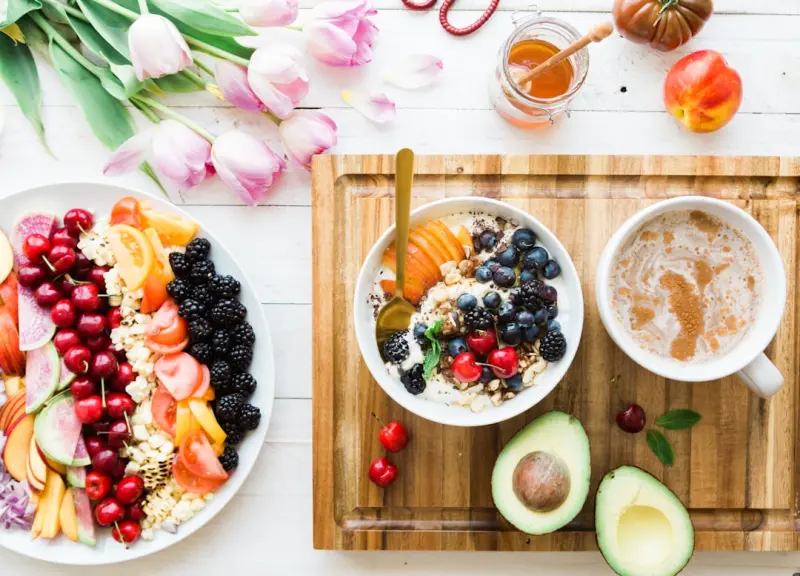
Cultivating a Resilient Gut in the Age of Remote Work
Your remote workspace plays a crucial role in gut health. This article explores the microbiome impac... Read More

The Packaging Paradox: How Modern Wrappers Undermine Your Gut Health
Modern food packaging introduces chemicals that destabilize the gut microbiome, leading to inflammat... Read More
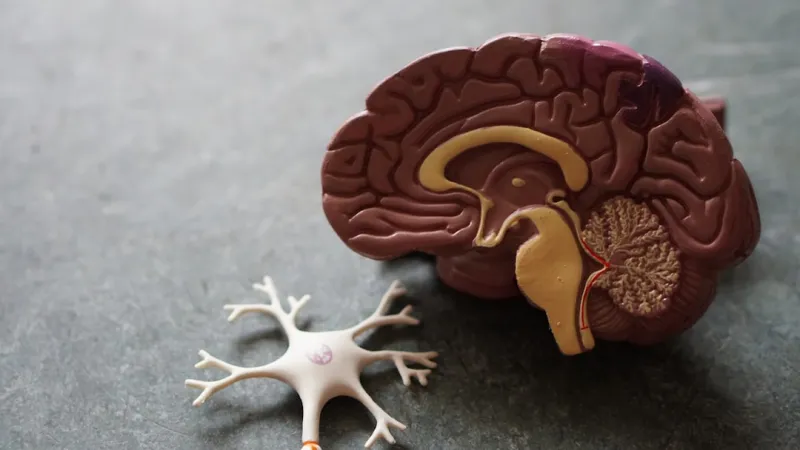
The Gut-Brain Connection: Unlocking the Secrets to Optimal Gut Health
The gut microbiome plays a critical role in regulating digestion, immune function, mood, and cogniti... Read More
Top Posts
How to Keep Blood Sugar Steady While Juggling a High‑Tempo Remote Career
Discover a three‑pillar system—macro‑timing, real‑time data, and environmental tweaks—to manage blood sugar, enhance focus, and sustain performance in...Read More

Gut Health Unlocked: A Personal Journey to Balance and Vitality
A heartfelt exploration of gut health, blending probiotic foods, stress‑busting practices, and hormonal balance to empower lasting wellness....Read More
Harnessing Wearables and Breathwork to Tame Blood Pressure
A modern approach to blood pressure blends continuous wearable monitoring, guided breathwork, vibrant nutrient‑rich meals, and microbiome support, offering a ...Read More
Nurturing Your Liver in 2026: A Holistic Blueprint for Vitality
Explore a holistic 2026 liver‑care blueprint that blends diet, movement, stress management, and sleep to boost vitality and support whole‑self wellness....Read More
0 Comments
Post Comment
You will need to Login or Register to comment on this post!