
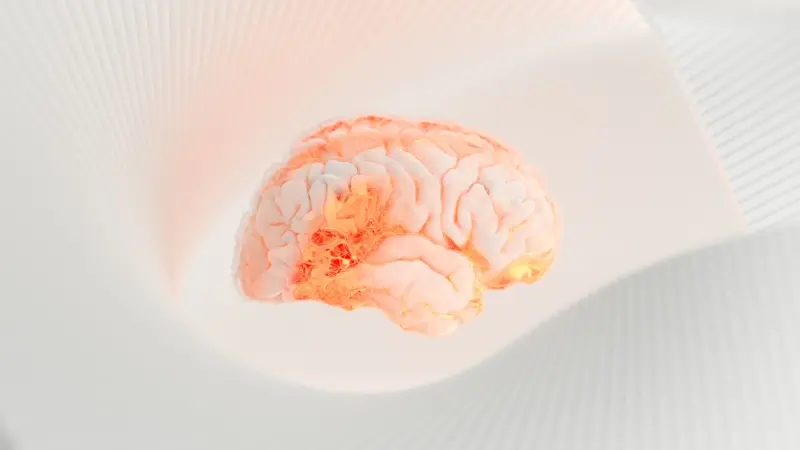
Imagine your brain pulling the emergency brake in the middle of the night, flooding your body with adrenaline while your mind remains trapped in a vortex of primal fear. That jarring, inexplicable surge is the hallmark of a sleep terror, a phenomenon that feels like a glitch in the software of our own biology. Unlike nightmares that play out on a cinematic dream‑screen, sleep terrors hijack the body’s alarm system before consciousness fully awakens, leaving you with a pounding heart, a cold sweat, and a lingering sense of dread that can echo into daylight.
Why Sleep Terrors Matter Beyond the Bedroom
Sleep terrors are often dismissed as “just a bad night,” but that minimization does a disservice to the intricate neurophysiology they expose. When the brain’s midline thalamic nuclei misfire during the transition from deep non‑REM sleep to lighter stages, they trigger a cascade of autonomic responses—rapid breathing, muscle tension, and a surge of cortisol. This cascade isn’t random; it’s a survival protocol honed by evolution to prepare us for physical threats.
Understanding the why behind this response opens doors to new health strategies. For instance, the same pathways that ignite during a terror episode also regulate inflammation, memory consolidation, and even metabolic balance. By studying the “alarm” itself, we can glean clues about chronic conditions that hide behind the curtain of everyday fatigue.
The Hidden Architecture of a Sleep Terror
To demystify sleep terrors, we need to break down the three core components of the episode:
- Neuro‑electrical surge: A sudden spike in delta waves, followed by a burst of beta activity, signals the brain’s abrupt shift from deep sleep to a hyper‑alert state.
- Autonomic overload: The sympathetic nervous system floods the bloodstream with adrenaline, raising heart rate by up to 30 beats per minute.
- Behavioral expression: The body may thrash, scream, or sit upright—often with eyes open but a glazed, unresponsive stare.
These stages can happen in a matter of seconds, and the sleeper usually has no memory of the event. That amnesia isn’t a bug; it’s a feature. The brain’s prefrontal cortex, which handles conscious recollection, is still offline, while the limbic system runs full‑steam. The result? A terrifying episode without a narrative, leaving the mind to fill in the blanks with imagined horrors.
Sleep Terrors as a Mirror for Emotional Memory
Because sleep terrors bypass the prefrontal “editor,” they offer a raw glimpse into the emotional memory banks stored in the amygdala. Researchers have found that individuals who experience frequent terrors often have heightened reactivity to stressors during waking hours. This isn’t a curse—it’s a diagnostic window.
When you notice a spike in nocturnal terrors, it may be signaling that your emotional load is approaching a tipping point. Think of it as a biological “check engine” light, flickering before the engine actually seizes. By tracking the frequency and intensity of these episodes, you can map stress patterns that might otherwise stay hidden.
From Panic to Purpose: Leveraging Data to Decode Your Night
Modern wearables have turned the abstract into the quantifiable. Devices that capture heart‑rate variability (HRV), skin conductance, and even micro‑movements can now detect the physiological signature of a sleep terror before you even stir. When paired with AI‑driven analytics, these data streams become a personal “terror radar,” alerting you to the moments when your nervous system is on high alert.
Integrating this data into a broader health dashboard allows you to see correlations you’d never suspect. A surge in nocturnal cortisol might line up with a high‑intensity workout earlier in the day, a caffeine binge, or a particularly stressful meeting. By mapping those patterns, you can experiment with small lifestyle tweaks—like shifting your workout window or dialing back on stimulants—to observe real‑time effects on terror frequency.
Sleep Terrors and Immune Resilience
Here’s a curveball: the same surge that fuels terror can also prime the immune system. Acute stress responses trigger the release of cytokines, which, in short bursts, enhance immune surveillance. While chronic stress dampens immunity, occasional “spikes”—like those from sleep terrors—might act as intermittent boosters, akin to the way high‑intensity interval training (HIIT) stresses muscles to make them stronger.
That doesn’t mean you should welcome nightly panic attacks, but it does suggest that the occasional terror episode could be a signal that your body is still responsive, not exhausted. This perspective reframes the narrative from “something is wrong” to “your system is dynamically adapting.”
Creative Sparks in the After‑Glow
Many artists and writers report that the emotional residue of a terror episode fuels a surge of creative energy. The brain, still in a heightened state, floods the cortex with dopamine and norepinephrine, chemicals associated with focus and novelty seeking. If you capture that momentum—by jotting a quick note, sketching, or recording a voice memo—you can translate raw emotional intensity into tangible output.
In practice, keep a “night terror notebook” by your bedside. Even if you can’t recall specifics, the act of writing down the feelings you awaken with—panic, confusion, relief—creates a bridge between the subconscious and conscious mind. Over weeks, patterns emerge, and you can harness that data to inform both personal growth and professional projects.
Practical Toolbox: Turning Terror Into Insight
Below is a concise, actionable checklist for anyone looking to transform sleep terrors from a source of anxiety into a well of insight.
- Track the metrics: Use a wearable that records HRV, heart rate, and movement. Export the data weekly.
- Correlate with daily variables: Log caffeine intake, exercise timing, screen exposure, and major stressors in a simple spreadsheet.
- Implement micro‑adjustments: Shift one variable at a time (e.g., move coffee from morning to early afternoon) and observe changes.
- Capture the after‑glow: Keep a notebook for 5 minutes after any episode; note emotions, physical sensations, and any lingering thoughts.
- Mind‑body reset: Practice a 2‑minute grounding technique—deep belly breathing, gentle stretching, or a short guided meditation—to calm the autonomic surge.
- Leverage community insights: Join a forum of fellow sleepers; share trends and strategies. Collective data often reveals patterns you’d miss solo.
Connecting the Dots: From Terrors to Holistic Health
When you start treating sleep terrors as data points rather than mysteries, you unlock a feedback loop that improves sleep hygiene, stress management, and even performance. This approach dovetails nicely with broader health philosophies that champion curiosity as a mental health hack. By staying curious about the “why” behind each episode, you shift from a reactive stance—trying to suppress the terror—to a proactive stance, learning from it.
Similarly, the emerging field of neuro‑fitness emphasizes training the brain with adaptive loops, much like we train muscles. Sleep terrors can be integrated into these loops: each episode becomes a data point that informs the next training iteration, whether that’s adjusting meditation length, tweaking light exposure, or refining nutrition timing.
Future Horizons: Tech‑Enabled Terror Management
Looking ahead, we’re on the cusp of a new wave of personalized sleep tech that doesn’t just record—it intervenes. Imagine a smart pillow that detects the early electrical signature of a terror episode and gently releases a calibrated scent of lavender or a low‑frequency sound pulse to coax the brain back into a calm state. Or a bedside AI that, after analyzing your nightly data, suggests a tailored “pre‑sleep protocol”—a blend of breathing exercises, temperature adjustments, and light therapy designed specifically for your unique terror profile.
These innovations echo the broader trend of moving from passive monitoring to active, adaptive health ecosystems. As we refine the algorithms that interpret terror signatures, the potential to pre‑emptively modulate the autonomic surge becomes a tangible reality, turning what once felt like a nightly assault into a manageable, even beneficial, physiological event.
Closing Thoughts: Embrace the Night’s Whisper
Sleep terrors are not just random glitches; they are the brain’s way of shouting “listen.” By tuning in, recording, and responding with curiosity, you transform a source of fear into a wellspring of self‑knowledge. The next time you feel the familiar rush of cold sweat and rapid heartbeat, remember: you’ve been handed a data packet from your deepest neuro‑systems. Decode it, and you’ll emerge not just rested, but wiser.

Brody Lambert is an emerging freelance writer whose fresh voice and thoughtful approach are quickly making their mark. As a fairly new entrant in the world of freelance writing, Brody brings a blend of curiosity and dedication that fuels every project, crafting stories and content that resonate with authenticity and clarity.
Related Posts

Rewriting the Night: Harnessing Storytelling to Calm Sleep Terrors
Sleep terrors feel like night‑time invasions, but you can rewrite the script. Learn how storytelli... Read More

Turning Nightmares into Insight: A Fresh Look at Sleep Terrors
Sleep terrors, often dismissed as mere nightmares, hold valuable subconscious data. This article rev... Read More

Why do children get Sleep Terrors and how to deal with it
Sleep terrors are episodes of intense fear, panic, or anxiety that occur during deep sleep in childr... Read More
Top Posts

Pregnancy Brain: Turning the Hormonal Fog into a Superpower
Explore the hidden cognitive upgrade of pregnancy and learn practical hydration, journaling, and community strategies to transform hormonal fog into a powerful,...Read More

The Narrative Cure: Using Personal Storytelling to Build Mental Resilience
Learn to harness personal storytelling as a powerful tool for mental resilience, turning everyday stress into a narrative you can rewrite and control....Read More

Playful Aging: How Lighthearted Movement Rewrites the Aging Narrative
A fresh take on healthy aging, this article shows how integrating playful movement into daily life can enhance brain health, physical resilience, and social con...Read More
Rethinking Narcolepsy: A Neurodiversity Advantage in the Workplace
Narcolepsy, often seen as a disruptive sleep disorder, offers unique cognitive strengths. This article shows how workplaces can turn those traits into advantage...Read More
0 Comments
Post Comment
You will need to Login or Register to comment on this post!