

Introduction: The Sleep Paradox in a 24/7 Economy
In a world that glorifies the hustle, the idea of uncontrollable sleep attacks feels like a career‑killing defect. Yet for the 1 in 2,000 people living with narcolepsy, that very defect can become a catalyst for creativity, collaboration, and even competitive advantage—if we dare to look beyond the stigma.
Why Narcolepsy Deserves a Fresh Narrative
Most mainstream conversations about narcolepsy revolve around the challenges: daytime sleepiness, cataplexy, and fragmented nocturnal rest. While those realities are undeniable, the narrative rarely explores the neurodiverse strengths that can emerge when society stops treating narcolepsy solely as a disorder.
Think of it as a shift from a deficit model to a strengths‑first model. In the same way that the tech industry has begun to celebrate ADHD as a driver of hyper‑focus, we can start to see narcolepsy as a source of unique problem‑solving patterns, rapid perspective‑shifts, and a built‑in reminder to respect the body’s natural rhythms.
The Unexpected Superpower: Micro‑Breaks as Innovation Triggers
When a narcoleptic mind slips into a brief REM episode, the brain isn’t shutting down—it’s entering a hyper‑creative state. Studies on dreaming show that REM sleep consolidates memory, re‑arranges information, and surfaces novel connections. For someone who experiences micro‑sleep moments during the day, these flashes can act like micro‑habits that reset cognition in real time.
In practice, this means that a well‑timed, intentional “nap‑break” can replace a coffee‑driven caffeine spike, delivering clearer focus afterward. Companies that have embraced walking meetings already know the power of movement‑induced mental clarity; imagine pairing that with a short, guided “sleep‑reset”—the result is a double‑dose of cognitive refresh.
Tech‑Enabled Sleep Management: Wearables, AI, and Real‑Time Feedback
Modern wearables are no longer just step counters. Devices equipped with EEG, heart‑rate variability (HRV), and skin conductance can now detect the physiological signatures of a narcoleptic episode before the individual feels it. When integrated with AI algorithms, these sensors can suggest immediate interventions—like a change in lighting, a brief meditation, or a safe place to sit.
- Predictive Alerts: Real‑time notifications that warn you “30 seconds until a sleep attack” give you a window to secure your workspace or switch tasks.
- Personalized Power‑Naps: Algorithms learn the optimal nap length (often 10‑20 minutes) that maximizes post‑nap alertness without triggering sleep inertia.
- Environment Sync: Smart lighting systems dim or shift to blue‑light tones based on your sleep propensity, supporting circadian alignment.
When these technologies become standard, the stigma of “unpredictable sleepiness” diminishes. The condition transforms into a data‑driven parameter that can be managed proactively, much like a project deadline.
Rethinking Workplace Culture: From “Stay Awake” to “Stay Aligned”
Traditional office culture rewards endless hours and penalizes fatigue. To truly harness the untapped potential of narcoleptic talent, organizations must redesign policies:
- Flexible Scheduling: Allow employees to structure their day around natural energy peaks, rather than a rigid 9‑to‑5.
- Designated Quiet Zones: Spaces where a brief, safe “sleep micro‑break” can happen without judgment.
- Outcome‑Based Metrics: Shift evaluation from hours logged to deliverables completed, acknowledging that high‑impact work can be produced in bursts.
- Peer Education: Regular workshops that demystify narcolepsy, reducing misconceptions and fostering empathy.
These changes echo the principles of digital minimalism: stripping away unnecessary noise to reveal the brain’s natural efficiency. By simplifying the environment, we give neurodiverse brains the space to thrive.
Practical Micro‑Habits for Narcoleptic Professionals
Just as micro‑habits have proven effective in managing chronic conditions, small, repeatable actions can empower those with narcolepsy to stay productive:
- Scheduled Light Breaks: Every 90 minutes, step outside or use a light therapy box for 5 minutes to reset circadian cues.
- Hydration Cue: Pair a glass of water with a 2‑minute mindfulness pause; the routine reinforces alertness.
- Task Chunking: Break large projects into 20‑minute sprints followed by a 5‑minute “reset” (stretch, deep breathing, or a quick nap).
- Pre‑Sleep Journaling: Capture fleeting ideas before a nap; this captures the creative residue of REM bursts.
- Wearable Check‑Ins: Use your device’s alert system to log when you feel a “sleep urge,” building a personal pattern library.
Community, Advocacy, and Shared Knowledge
The power of community cannot be overstated. Online forums, local support groups, and workplace affinity circles provide platforms for sharing strategies, celebrating successes, and lobbying for policy changes. When individuals with narcolepsy collectively voice their needs, they influence broader cultural shifts—from insurance coverage that includes advanced wearables to legislation that protects the right to nap at work.
Beyond peer support, interdisciplinary collaboration between neurologists, occupational therapists, and UX designers is unlocking new design paradigms. Imagine office furniture that gently tilts to a reclined position at the first sign of a sleep onset, or software that auto‑saves work and prompts a “pause mode” during a detected episode.
Looking Ahead: The Future of Narcolepsy in an Adaptive World
As we move toward an increasingly hybrid work environment, the lines between “home” and “office” blur. This fluidity offers a unique opportunity for narcoleptic individuals to design their own optimal work rhythms without the constraints of a traditional office layout. Companies that champion such flexibility will not only attract top talent but also set a precedent for a truly inclusive future of work.
Future innovations may include:
- AI‑Driven Scheduling Assistants: Tools that automatically allocate nap windows based on predictive sleep data.
- Neuro‑Responsive Interfaces: Applications that adapt their UI complexity in real time, simplifying tasks when the user’s alertness dips.
- Virtual Reality (VR) Rest Pods: Immersive environments that simulate a calming “sleep sanctuary” for short, restorative breaks.
When we stop viewing narcolepsy as a liability and start seeing it as a distinct cognitive rhythm, we open doors to innovations that benefit everyone—more humane workplaces, smarter tech, and a broader appreciation for neurodiversity.
Conclusion: Embrace the Sleep‑Powered Edge
Narcolepsy is not just a medical diagnosis; it’s a reminder that human performance is not a linear 8‑hour sprint but a series of peaks, valleys, and spontaneous bursts of insight. By integrating wearable tech, reimagining workplace norms, and fostering supportive communities, we can turn what once felt like a career‑ending obstacle into a competitive edge.
It’s time to rewrite the script: sleep is not the enemy of productivity—unmanaged sleep is. Let’s champion a future where every brain, regardless of its rhythm, can contribute its fullest potential.

Related Posts
When Dreams Hijack Daylight: Turning Narcolepsy into a Creative Superpower
Explore how brief REM bursts in narcolepsy become a hidden wellspring of artistic inspiration, offer... Read More
Redesigning Alertness: Data, Design, and Community for Life with Narcolepsy
A fresh look at narcolepsy management reveals how wearable tech, smart workspace design, and collabo... Read More

Turning Narcolepsy into a Workplace Advantage
Explore how narcolepsy’s unique brain dynamics can become a superpower at work, with practical ste... Read More
Top Posts

Holistic Nutrition: Transforming Everyday Eating into Vibrant Health
Explore a holistic nutrition strategy that blends gut health, micronutrients, mindful eating, and personalized diet tweaks to boost energy, balance blood sugar,...Read More
Decision Hygiene: Reducing Mental Clutter for Better Well‑Being
Discover decision hygiene—a systematic approach to trim everyday choices, preserve mental bandwidth, and foster emotional resilience. Follow a 7‑day plan to...Read More

Cold Exposure: Unlocking Metabolic Resilience for Modern Life
Controlled cold exposure activates brown fat, improves insulin sensitivity, and supports gut health. This guide offers science‑backed insights and easy, safe ...Read More
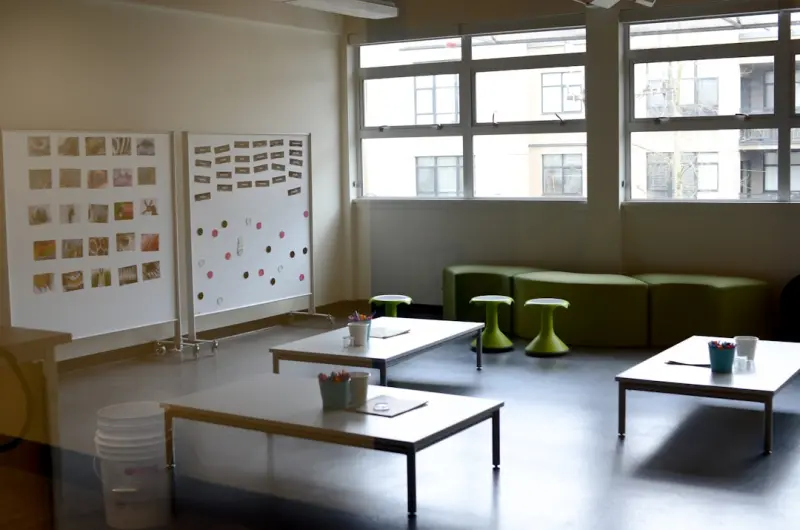
Designing Adaptive Workspaces: Lessons from Narcolepsy for Inclusive Innovation
Living with narcolepsy revealed hidden design levers—light, sound, and micro‑breaks—that can transform any workplace. This post outlines an Adaptive Works...Read More
0 Comments
Post Comment
You will need to Login or Register to comment on this post!