
Understanding the Narcoleptic Brain
Narcolepsy is often reduced to a list of symptoms—excessive daytime sleepiness, cataplexy, sleep paralysis—but beneath those clinical markers lies a neural landscape that processes wakefulness and REM sleep in a way that most brains never experience, creating a constant dialogue between consciousness and the dreaming state. This perpetual oscillation rewires the brain’s reward pathways, emotional regulation centers, and even the default mode network, which can make everyday tasks feel simultaneously hyper‑focused and hazy, a paradox that fuels both frustration and unexpected insight. For anyone willing to listen, the narcoleptic mind offers a backstage pass to the subconscious, inviting us to explore how brief intrusions of REM can serve as spontaneous bursts of imagination, problem‑solving, and artistic inspiration.
Micro‑Sleep as a Creative Catalyst
When a narcoleptic brain slips into a micro‑sleep, the transition is not a failure of willpower but a rapid plunge into a REM micro‑world where visual imagery, emotional narratives, and abstract associations coalesce in seconds, delivering a flash of creativity that can be captured and channeled into tangible work. Artists, writers, and innovators have reported that those fleeting dream‑like episodes act like “mental sketchpads,” allowing them to bypass the censoring prefrontal cortex and retrieve raw, unfiltered ideas that feel both novel and deeply resonant. By learning to recognize the onset of a micro‑sleep and immediately recording the sensations—through a voice memo, a sketch, or a keyword list—individuals can transform what once seemed a disruptive symptom into a strategic advantage for brainstorming sessions or artistic practice.
Designing a “Dream‑Capture” Routine
Establishing a habit of rapid capture requires both physical tools and mental preparation; a small notebook by the bedside, a voice‑activated phone app, or even a smart pen that syncs to the cloud can become the bridge between the subconscious flash and conscious creation. Micro‑daylight and creative rituals demonstrate how aligning environmental cues—soft lighting, gentle soundscapes, and a calm breathing pattern—can prime the brain to transition smoothly from wakefulness to a brief REM burst and back again, reducing the shock of sudden sleepiness while preserving the creative spark. Consistently reviewing the captured fragments, grouping them by theme, and revisiting them during deliberate work periods helps to integrate those micro‑dream insights into larger projects, turning spontaneous flashes into structured output.
Reframing Cataplexy as Emotional Insight
Cataplexy, the sudden loss of muscle tone triggered by strong emotions, is frequently framed as a debilitating symptom, yet it also signals an unusually transparent link between affect and physiological response, offering a unique window into emotional processing that most people never experience. By observing which emotions precipitate cataplectic episodes—laughter, awe, grief—individuals can map their emotional triggers with striking clarity, gaining self‑knowledge that can enhance storytelling, performance art, or therapeutic writing. This heightened emotional awareness can be intentionally harnessed: rehearsing a comedic routine, delivering a heartfelt speech, or engaging in expressive movement can become practice grounds for both managing cataplexy and deepening the emotional resonance of one’s creative output.
Leveraging Nap‑Free Zones for Focused Work
Traditional productivity advice often advocates strategic napping, but for many with narcolepsy, scheduled naps can backfire, leading to fragmented sleep cycles and reduced alertness during critical work windows. Instead, constructing “nap‑free zones”—periods of the day where environmental cues, such as bright illumination, standing desks, and light physical activity, are deliberately employed—can help the brain stay anchored in wakefulness while still honoring its need for restorative REM bursts at appropriate moments. Pairing these zones with short, high‑intensity movement breaks—like a minute of jumping jacks or a brisk hallway walk—activates the sympathetic nervous system, temporarily suppressing the urge to drift and creating a clear canvas for the creative ideas harvested from earlier micro‑sleeps.
Community Storytelling as a Healing Tool
Sharing the lived experience of narcolepsy through storytelling not only demystifies the condition for outsiders but also builds a collective reservoir of strategies, metaphors, and artistic motifs that participants can draw upon. Online forums, local meet‑ups, and even collaborative podcasts allow individuals to exchange the vivid dream fragments that surface during micro‑sleep, weaving them into shared narratives that celebrate the uniqueness of the narcoleptic perspective. This communal archive becomes a source of inspiration, where a single phrase from a fellow traveler might spark a new song lyric, a visual artwork, or a breakthrough in problem‑solving, reinforcing the idea that the condition is not an isolated obstacle but a shared wellspring of creative potential.
Integrating Narcolepsy Insights into Professional Life
Employers often view excessive daytime sleepiness as a liability, yet when the narrative shifts from “disability” to “unique cognitive asset,” workplaces can benefit from the spontaneous ideation and heightened emotional intelligence that many narcoleptic professionals bring to the table. By proposing structured “idea‑burst” sessions timed after known micro‑sleep windows, employees can showcase the value of their dream‑derived concepts, turning a perceived weakness into a competitive advantage. Moreover, educating teammates about the condition—perhaps linking to practical hacks for daily momentum—fosters empathy and encourages the implementation of flexible schedules, quiet workspaces, and quick‑capture tools that support both productivity and well‑being.
Balancing Medical Management with Creative Freedom
Pharmacological treatments for narcolepsy, such as wake‑promoting agents or sodium oxybate, can stabilize alertness but may also dampen the very REM intrusions that fuel creative flashes, presenting a nuanced dilemma for those who rely on those bursts for artistic output. Engaging in open dialogue with healthcare providers about personal goals—whether they prioritize safety, symptom control, or creative flow—allows for tailored regimens that balance medication timing, dosage, and lifestyle modifications. Some individuals opt for a hybrid approach: using medication during high‑demand work periods while allowing natural REM cycles to surface during low‑stress times, thereby preserving the spontaneous inspiration that micro‑sleeps provide without compromising overall health.
Future Horizons: Research, Technology, and the Narcoleptic Advantage
Emerging neurotechnology, such as wearable EEG headbands and sleep‑tracking apps, promises to decode the precise moments when a narcoleptic brain slips into REM, offering real‑time alerts that can cue users to activate their “dream‑capture” tools before the episode fades. Coupled with advances in neurofeedback, individuals may soon be able to consciously extend the duration of micro‑sleep or even steer the content of those brief dream states, unlocking a level of creative control previously reserved for myth. As research continues to illuminate the unique neuroplasticity of narcoleptic brains, we may discover that what once was labeled solely as a disorder is, in fact, a distinct cognitive style—one that can be celebrated, cultivated, and integrated into the broader tapestry of human ingenuity.

Related Posts

Turning Narcolepsy into a Workplace Advantage
Explore how narcolepsy’s unique brain dynamics can become a superpower at work, with practical ste... Read More
Harnessing the Unpredictable: How Narcolepsy Can Supercharge Decision‑Making and Innovation
This article reframes narcolepsy’s sudden sleep episodes as micro‑insight generators, offering p... Read More

Navigating Narcolepsy: Real‑World Hacks for a Balanced Life
A deep dive into adaptable strategies—tech tools, flexible scheduling, and community advocacy—th... Read More
Top Posts
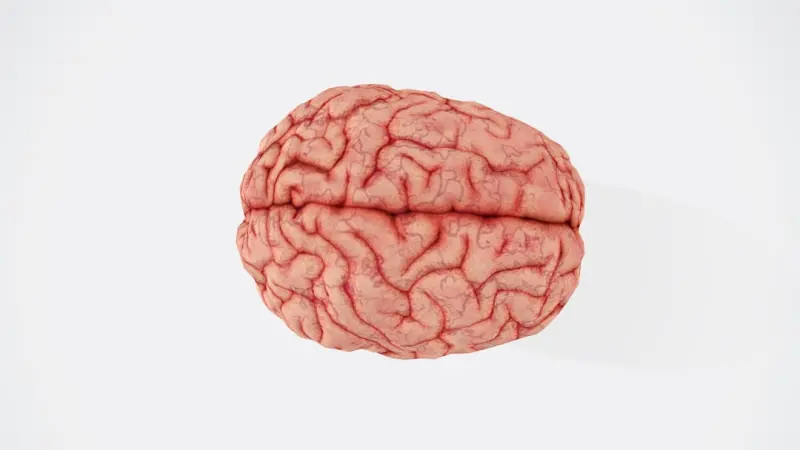
Neurotraining for the Modern Professional: Turning Your Brain Into a Muscle
Treat your brain like a muscle with a structured neurotraining program. Learn progressive overload, targeted cognitive lifts, high‑intensity brain sprints, an...Read More
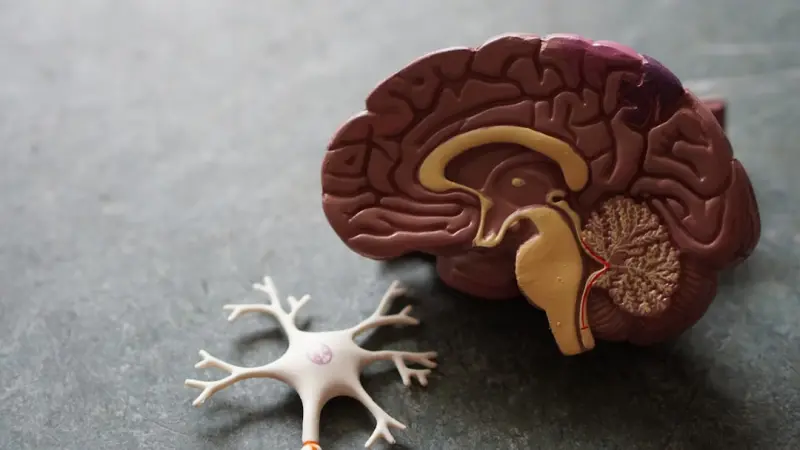
Brain‑Gym for Longevity: How Continuous Learning Fuels a Longer Life
Explore the emerging science that links deliberate learning and neuroplasticity to cellular repair, offering a practical “brain‑gym” framework that comple...Read More

Narrative Coaching for Sustainable Weight Loss
Learn to turn weight loss into a compelling story by combining narrative coaching, habit stacking, and mindful data tracking, turning everyday actions into chap...Read More

Fermentation Frontiers: How Ancient Techniques Supercharge Modern Nutrition
Fermentation blends age‑old culinary art with cutting‑edge science, delivering richer flavors, a thriving gut microbiome, and sustainable nutrition—simple...Read More
0 Comments
Post Comment
You will need to Login or Register to comment on this post!