
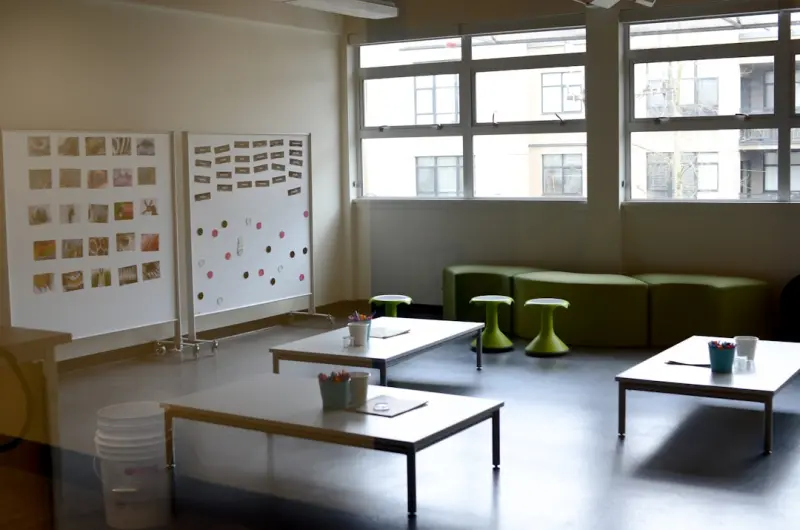
Why Narcolepsy Is the Unexpected Blueprint for Smarter Workspaces
When most people think of narcolepsy, the image that jumps to mind is a sudden, uncontrollable sleep attack. But for me, living with narcolepsy has been less about the occasional collapse into a nap and more about an ongoing negotiation with my environment. The subtle push‑and‑pull between alertness and sleepiness has forced me to become a hyper‑aware observer of lighting, sound, temperature, and rhythm. Over time, I realized that the adjustments I made for myself could be abstracted into a universal design language—one that any organization could adopt to make spaces more resilient, inclusive, and ultimately more productive.
Beyond the Diagnosis: Seeing Narcolepsy as a Design Lens
Most medical literature frames narcolepsy in terms of symptoms—excessive daytime sleepiness, cataplexy, hypnagogic hallucinations, and sleep paralysis. While these are undeniably important, they tell only half the story. The other half is how the brain’s altered arousal system interacts with external cues. My own daily routine is a constant experiment in environmental tuning:
- Soft, diffused lighting in the morning to ease the transition from deep sleep to wakefulness.
- Brief bursts of cool air or gentle movement to reset a drifting attention span.
- Strategically placed “micro‑reset” zones where a five‑minute pause can prevent a full‑blown sleep episode.
These seemingly minor tweaks are not exclusive to people with narcolepsy; they are universal levers that influence anyone’s cognitive stamina. By translating my personal coping mechanisms into design principles, we can build workplaces that accommodate the full spectrum of neurodiversity.
Introducing the Adaptive Workspace Framework
The framework I propose rests on three pillars: sensory zoning, temporal flexibility, and technology‑mediated feedback. Each pillar addresses a specific challenge that narcolepsy surfaces, but the solutions are broadly applicable.
Sensory Zoning
Our brains constantly process a flood of sensory data. For someone whose arousal threshold is lower, certain stimuli—bright glare, abrupt noises, or stale air—can trigger an unwanted dip into sleep. Creating distinct zones within an open‑plan office helps manage these inputs:
- Focus Pods: Enclosed, low‑light capsules equipped with sound‑absorbing panels. Ideal for deep work and for anyone who needs to shield themselves from the ambient buzz.
- Energy Hubs: Bright, collaborative areas with adjustable color temperature lighting and standing desks, designed to stimulate alertness.
- Reset Corners: Small alcoves with soft, ambient soundscapes—think gentle rain or low‑frequency hums—that gently coax the nervous system back into a balanced state without inducing full sleep.
Temporal Flexibility
Traditional 9‑to‑5 schedules assume a uniform circadian rhythm. Narcolepsy, however, shatters that assumption. By allowing personalized work windows and integrating short, scheduled micro‑rests, organizations can align productivity peaks with each employee’s natural rhythm.
- Micro‑Rest Intervals: 5‑minute “reset” blocks every 90 minutes. Employees can choose a quiet corner, a quick stretch, or a brief nap in a pod.
- Core Hours Only: Rather than dictating a full‑day schedule, set a 3‑hour core window for meetings and collaboration. Outside that window, people can work when they feel most alert.
- Dynamic Desk Allocation: Hot‑desking systems that let users reserve a focus pod, energy hub, or reset corner based on their current state.
Technology‑Mediated Feedback
Data is the new lingua franca of workplace design. Wearable sensors, ambient light meters, and sound level monitors can feed real‑time information into a building management system. The goal isn’t surveillance; it’s responsive adaptation:
- When a zone’s noise level exceeds a threshold, the system automatically raises soft, masking soundscapes.
- Lighting rigs adjust color temperature based on the collective circadian phase of occupants, detected via non‑intrusive wristbands.
- Personal dashboards give employees insights into their own energy patterns, encouraging self‑regulated micro‑breaks.
These technologies echo the principles explored in Synaptic Gardening, where playful interaction with the environment nurtures neural pathways. In the workplace, playful, data‑driven adjustments can foster a healthier brain state for everyone.
Case Study: A Startup’s Journey from Chaos to Adaptive Harmony
Three months ago, a fintech startup with 45 employees invited me to pilot the Adaptive Workspace Framework in their downtown loft. Their challenges were classic: open‑plan fatigue, frequent “energy crashes,” and a culture that prized endless hours over meaningful output.
We began with a simple audit—mapping out noise hotspots, light intensity gradients, and employee‑reported energy dips. The data revealed two critical pain points: a noisy kitchen area that sapped focus, and a lack of private spaces for quick resets.
We introduced three key interventions:
- Sound‑Modulating Partitions: Installing acoustic panels that also housed low‑frequency speakers playing ambient soundscapes tailored to the time of day.
- Adjustable Light Pods: Small, movable units with tunable LEDs that could shift from cool daylight (for high‑energy tasks) to warm amber (for creative brainstorming).
- Micro‑Rest Scheduler: A shared calendar integration that suggested 5‑minute breaks every 85 minutes, allowing employees to book a reset corner.
Within six weeks, the company reported a 23% reduction in reported “energy crashes,” a 15% increase in project delivery speed, and, perhaps most tellingly, a cultural shift where taking a brief pause was no longer stigmatized. The leadership team credited the change to “a space that finally listened to our bodies.”
Practical Steps for Any Organization
If the idea of redesigning your entire office feels daunting, start small. Here are five low‑cost actions you can implement today:
- Introduce Quiet Nooks: Repurpose underused corners with plush seating, dimmable lamps, and a small speaker playing soft soundscapes.
- Adjust Light Temperature: Swap out harsh fluorescents for tunable LEDs or add desk lamps with amber filters for late‑day work.
- Schedule Micro‑Break Alerts: Use calendar reminders or a simple Pomodoro timer to prompt 5‑minute resets.
- Gather Anonymous Feedback: Quick pulse surveys about perceived noise, lighting, and fatigue can highlight hidden problem areas.
- Pilot a Sensor Kit: Even a single CO₂ and sound level monitor can reveal ventilation and acoustic issues that impact alertness.
These steps echo the philosophy of “micro‑habits” that we explored in another post, showing how tiny environmental tweaks can cascade into big performance gains.
From Personal Challenge to Collective Advantage
Living with narcolepsy has taught me that the line between limitation and leverage is often drawn by the surrounding context. When you design spaces that honor the brain’s need for rhythm, light, and sound, you’re not just accommodating a specific condition—you’re unlocking a hidden reserve of focus, creativity, and well‑being for every employee.
In the era of hybrid work and ever‑changing office footprints, adaptability isn’t a nice‑to‑have; it’s a competitive imperative. By borrowing the adaptive strategies honed by people like me, organizations can turn a medical condition into a catalyst for smarter, more humane design.
Looking Forward: The Future of Inclusive Architecture
The next wave of workplace design will likely be defined by responsive ecosystems—spaces that sense, learn, and adjust in real time. Imagine walls that shift opacity based on collective alertness, or floor tiles that emit subtle vibrations to keep drowsy minds engaged. While we’re not there yet, the foundations are already being laid by the very people who have been forced to improvise for years.
As we continue to collect data, iterate on designs, and share stories, the conversation will shift from “how do we accommodate narcolepsy?” to “how can we build workplaces that naturally support all neurodiverse brains?” The answer, I believe, lies in the same curiosity that drives us to playful exploration—the kind of curiosity cultivated in Synaptic Gardening. By treating our environments as gardens to tend, we empower every employee to flourish.

Lifan Chen is a freelancer based in Toronto specializing in marketing. With expertise in crafting effective marketing strategies and campaigns, Lifan helps businesses grow their brand presence and reach target audiences. As a Toronto-based freelancer, Lifan combines local market insights with creative marketing skills to deliver tailored solutions for clients.
Related Posts

Living with Narcolepsy: Harnessing Creativity and Resilience
A fresh look at narcolepsy shows how unexpected sleep episodes can spark creativity, improve persona... Read More

Navigating Narcolepsy: Strategies, Tech, and Workplace Wins
A comprehensive guide offering actionable strategies, tech recommendations, and workplace accommodat... Read More

Micro‑Sleep Mastery: Turning Narcolepsy into a Blueprint for Human‑Centric Performance
Discover how embracing micro‑naps and energy‑aware design, inspired by narcolepsy, can transform... Read More
Top Posts

Tempo Mastery: Redefining Muscle Growth Through Lift Speed
Learn why lift speed, pauses, and eccentric control are the missing pieces in your muscle‑building plan, and get a practical 8‑week protocol to start seeing...Read More

Unlocking the Power of Body Detox: A Holistic Approach to Wellness
Body detox is an essential aspect of maintaining optimal health and well-being. Learn how to incorporate a holistic approach to body detox into your lifestyle a...Read More
Why Your Blood Sugar Needs a Calendar, Not a Calculator
Treat blood sugar like a daily rhythm, not a number. Discover timing, stress, light, and social strategies that keep glucose stable and health thriving....Read More

Beyond Biceps: A Whole‑Health Playbook for Men
A modern man’s guide to thriving—learn how emotional agility, functional strength, strategic eating, and digital balance can transform your health beyond th...Read More
0 Comments
Post Comment
You will need to Login or Register to comment on this post!