

Why Your Body’s Alarm System Is the Hidden Trigger Behind Sleep Terrors
Sleep terrors have a way of sneaking into the night like a rogue alarm, jolting you awake with a rush of panic that feels both foreign and familiar. They’re not just “bad dreams” that fade with the sunrise; they’re acute, physiological eruptions that hijack the brain‑body communication loop. In this piece I’ll pull back the curtain on the autonomic nervous system (ANS) – the body’s built‑in alarm clock – and show how its mis‑fires create the perfect storm for night‑time terror.
The ANS: Two Sides of the Same Coin
The ANS is split into two branches: the sympathetic “fight‑or‑flight” arm and the parasympathetic “rest‑and‑digest” arm. During the day, these systems dance in a delicate balance, reacting to stressors, physical activity, and even the rhythm of our breath. When we finally lie down, the parasympathetic side should take the lead, guiding us into the deep, restorative phases of sleep.
Sleep terrors occur when the sympathetic branch decides to stay on standby, even as the brain slips into slow‑wave sleep (the deepest stage of non‑REM sleep). The result? A sudden surge of adrenaline, a spike in heart rate, and a cascade of physical sensations that feel indistinguishable from a real threat.
Heart‑Rate Variability (HRV) – The Night‑Time Barometer
One of the most reliable ways to gauge ANS balance is heart‑rate variability, or HRV. In simple terms, HRV measures the variation in time between each heartbeat. Higher HRV indicates a dominant parasympathetic tone – a relaxed, resilient nervous system. Lower HRV signals sympathetic dominance, often linked to stress, anxiety, and, you guessed it, sleep terrors.
Wearable tech has democratized HRV tracking. Devices that monitor nocturnal heart patterns can now flag nights when your ANS is out of sync. If you notice a pattern of low HRV followed by a night of terrors, you’ve uncovered a tangible, data‑driven link that can guide intervention.
What Sets Off the Night‑Time Alarm?
- Unprocessed Emotional Trauma. The brain often replays unresolved emotional memories during deep sleep. When the amygdala (the fear center) detects a “danger cue,” it can fire the sympathetic response before the rational cortex has a chance to intervene.
- Caffeine & Stimulants. Even modest amounts of caffeine in the afternoon can linger in the bloodstream, nudging the sympathetic system into overdrive.
- Irregular Sleep Schedules. Erratic bedtimes disrupt the circadian rhythm, which in turn throws off the timing of ANS transitions.
- High‑Intensity Evening Workouts. While exercise is a pillar of health, pushing the body to the limit close to bedtime leaves the sympathetic system revving like a sports car stuck in gear.
- Environmental Noise. Sudden sounds (traffic, a barking dog) can act as external alarms, priming the sympathetic branch for a fight‑or‑flight response that carries over into sleep.
Breathwork: Re‑programming the Alarm from Within
One of the most underappreciated tools for calming the ANS is intentional breathing. Techniques like the 4‑7‑8 method (inhale for 4 seconds, hold for 7, exhale for 8) stimulate the vagus nerve – the main highway of the parasympathetic system. By doing this before bedtime, you effectively “reset” the alarm, making it less likely to go off in the middle of the night.
Try this simple pre‑sleep ritual: sit upright, close your eyes, and take a slow inhale through the nose for a count of five, hold for three, then exhale gently through the mouth for six. Repeat ten times. The rhythmic nature of breath anchors the nervous system, signaling to the brain that it’s safe to transition into deep sleep.
Somatic Practices: Grounding the Body, Soothing the Mind
Somatic therapy focuses on the body’s sensations as a pathway to processing trauma. Techniques such as progressive muscle relaxation, body scans, and gentle yoga stretches can release muscular tension that otherwise keeps the sympathetic system on alert.
When you notice a muscle group tightening during the day – perhaps your shoulders or jaw – take a moment to consciously soften it. Over time, this habit builds a “muscle memory” of relaxation that carries over into the night, reducing the chance of a sudden sympathetic flare‑up.
Nutrition’s Quiet Role in the ANS
While we’ve covered the colorful plate and its impact on performance elsewhere, it’s worth noting a narrower focus: the relationship between electrolytes, blood sugar, and ANS balance. Low magnesium levels, for instance, are linked to heightened sympathetic activity. Similarly, spikes and crashes in blood glucose can trigger stress hormones that feed the alarm system.
Incorporating magnesium‑rich foods like pumpkin seeds, leafy greens, and a modest serving of dark chocolate before bedtime can smooth the transition into parasympathetic dominance. Pair this with a balanced snack that stabilizes blood sugar – think a small apple with almond butter – and you give the nervous system a calm, steady backdrop.
Mind‑Body Integration: A Holistic Playbook
Below is a step‑by‑step approach to tame the night‑time alarm:
- Track Your HRV. Use a reliable wearable for at least two weeks to establish a baseline. Notice patterns on nights you experience terrors.
- Implement a Pre‑Sleep Breath Routine. Commit to 5 minutes of 4‑7‑8 breathing every night for a week.
- Schedule Workouts Earlier. Aim to finish vigorous activity at least 3‑4 hours before bedtime.
- Optimize Magnesium Intake. Add a magnesium supplement or magnesium‑rich foods in the evening.
- Practice Somatic Grounding. Spend 10 minutes on a body scan meditation, noticing any areas of tension and releasing them.
- Limit Stimulants. Cut off caffeine after noon and avoid alcohol close to bedtime, as it can fragment the ANS balance.
- Monitor Environmental Triggers. Use white noise or earplugs to mute sudden sounds that could act as false alarms.
When the Alarm Won’t Shut Off: Professional Help
If you’ve tried the above strategies and sleep terrors persist, it may be time to consult a sleep specialist or a therapist trained in trauma‑informed care. Cognitive‑behavioral therapy for insomnia (CBT‑I) often incorporates ANS regulation techniques, while EMDR (Eye Movement Desensitization and Reprocessing) can directly address the emotional memories that trigger the alarm.
In some cases, short‑term pharmacological support – prescribed under professional supervision – can help reset the nervous system while you work on the behavioral and somatic components.
Connecting the Dots: How Sleep Terrors Relate to Broader Health
Sleep terrors aren’t isolated incidents; they ripple into daytime performance, emotional regulation, and even metabolic health. The chronic activation of the sympathetic nervous system can raise cortisol levels, compromise immune function, and erode heart‑health markers. By addressing the root cause – an overactive ANS – you not only calm the night but also bolster overall resilience.
For a deeper dive into the chemistry behind nighttime stress, check out When Cortisol Takes the Bed: Unmasking the Biochemistry Behind Insomnia. It unpacks how stress hormones intersect with sleep architecture, offering a scientific backdrop to the practical steps outlined here.
Additionally, the way we interact with light, even when we’re not consciously aware of it, can influence our ANS. While many focus on the visual aspect, there’s a subtle, non‑visual pathway that impacts melatonin and sympathetic tone. Read more about this interplay in Beyond the Toss: How Ambient Light Shapes Your Sleep to see how tweaking your environment can further silence the alarm.
Final Thoughts: Turning the Night into a Safe Harbor
Sleep terrors are, at their core, the nervous system’s way of shouting “danger!” when there’s none. By decoding the language of heart‑rate variability, mastering breath, and grounding the body through somatic practices, you can teach that alarm to recognize false alerts and stay silent. The journey isn’t about eliminating fear – it’s about re‑training the body’s response so that the night becomes a sanctuary rather than a battlefield.

Related Posts
Why Nightmares Matter More Than You Think
Sleep terrors are the dark underbelly of the night that most high‑performance professionals brush ... Read More
Rewriting the Night: Harnessing Storytelling to Calm Sleep Terrors
Sleep terrors feel like night‑time invasions, but you can rewrite the script. Learn how storytelli... Read More

When Nightmares Ignite: Harnessing Sleep Terrors for Creative Breakthroughs
Sleep terrors aren’t just frightening episodes; they can be a hidden catalyst for creativity. Disc... Read More
Top Posts

Storytelling for Seniors: Turning Memories into Medicine
A guide for older adults on using personal narratives to sharpen memory, reduce stress, and foster community, turning cherished memories into a daily health pra...Read More

Sweat, Strength, and Longevity: Why Men Should Embrace the Sauna
Explore the science behind sauna use for men, from cardiovascular gains to muscle recovery and stress relief, and learn practical tips to make heat therapy a da...Read More

Conquering Insomnia: My Holistic Roadmap to Restful Nights
Paula shares her personal, holistic journey to calm restless nights, offering practical tips on diet, movement, mindset, and bedroom habits that can transform i...Read More
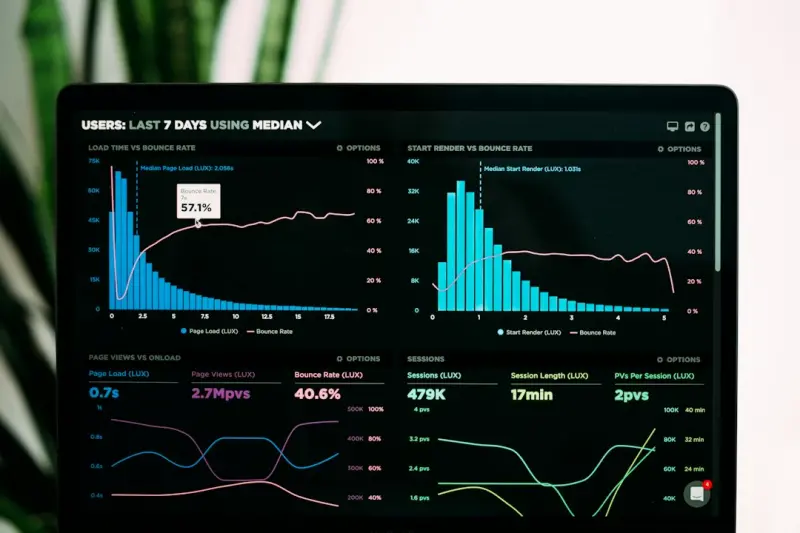
When Nighttime Frights Become Data Points: Turning Sleep Terrors into a Personal Insight Engine
Learn to capture sleep terror episodes with wearables, decode their patterns, and turn nighttime fear into a powerful feedback loop for nutrition, environment, ...Read More
0 Comments
Post Comment
You will need to Login or Register to comment on this post!