

When Nightmares Ignite: Harnessing Sleep Terrors for Creative Breakthroughs
Picture this: you’re jolted awake, heart hammering, a phantom scream echoing in the hallway of your mind. You sit up, stare at the ceiling, and for a fleeting second you wonder whether you’ve just survived a horror‑film cameo. Most of us would immediately reach for the night‑light, a calming tea, or a frantic Google search. I, however, have learned to ask a different question: what if that surge of fear is actually a hidden catalyst?
Sleep terrors—those intense, often bewildering episodes that hijack the deepest phases of slumber—have a reputation for being nothing more than a nightly nuisance. Yet, when you peel back the layers of myth, neuroscience, and personal anecdote, you’ll discover a surprisingly fertile ground for imagination, problem‑solving, and even emotional healing. In this deep‑dive, I’ll share how I turned my own “mid‑night panic attacks” into a wellspring of creative insight, and why you might consider doing the same.
Beyond the “Silent Alarm”: A Fresh Lens on Nighttime Fright
Most of the conversation around sleep terrors centers on mitigation: calming techniques, bedroom rituals, or medication. A recent post on adult sleep terror strategies does an excellent job of mapping out the “quiet‑it‑down” playbook. My angle, however, is less about suppression and more about transformation. Rather than seeing the terror as a bug in the system, I’m treating it as an unexpected API call—a moment when the brain’s default mode network (DMN) goes rogue, delivering raw, unfiltered emotional data straight to the creative cortex.
The Evolutionary Backstory: Why Our Brains Throw a Party at 2 a.m.
Anthropologists have long theorized that sleep terrors are vestiges of ancient survival mechanisms. In the darkness of prehistoric caves, a sudden surge of adrenaline could have been the difference between life and death—alerting the sleeper to a lurking predator. Modern humans no longer share those caves, yet the neural circuitry remains, firing off an alarm that feels disproportionate to the stimulus (often a harmless dream fragment).
This evolutionary mismatch means that during a terror episode, the amygdala (our fear center) and the hippocampus (memory‑forming hub) engage in a rapid, high‑intensity dialogue. The result? A vivid, emotionally charged snapshot that can be difficult to articulate—unless you give it a purpose.
Creative Sparks in the Dark
There’s a growing body of anecdotal evidence linking night‑time fear with artistic breakthroughs. Writers, musicians, and visual artists have reported that their most compelling work emerged after a night of restless, terrifying dreams. The logic is simple: fear forces the brain out of its comfort zone, dissolving the usual filters that keep our thoughts tidy and predictable.
When I first started journaling after a bout of sleep terrors, I noticed a pattern. The chaotic imagery that flooded my mind—shifting rooms, distorted faces, sudden drops—mirrored the abstract shapes I’d later translate into design concepts for client campaigns. By embracing the raw material rather than discarding it, I turned a “nightmare” into a brainstorming session.
Children vs. Adults: Different Scripts, Same Energy
It’s tempting to lump all sleep terrors together, but the developmental stage matters. In children, episodes often manifest as screaming, sitting up abruptly, and a lingering sense of dread that can last minutes. Adults, on the other hand, typically experience a brief, intense surge of terror followed by a rapid return to sleep—often with little recollection.
Understanding these nuances helps you tailor your approach. For kids, the goal is safety and reassurance; for adults, it’s about harnessing the after‑effects. I recommend keeping a night‑terror log—a simple notebook by the bedside where you jot down any fragments you remember, the emotions they evoked, and any ideas that surface the next morning. Over time, patterns emerge, and you can begin to decode the personal symbolism embedded in those nocturnal dramas.
The Science of the Midnight Brain: What Happens During a Terror?
During non‑REM (NREM) sleep—especially stages 3 and 4—the brain exhibits slow‑wave activity, a state traditionally associated with deep restoration. Sleep terrors are an interruption of this tranquility. Functional MRI studies reveal a spike in activity within the limbic system (amygdala, hypothalamus) while the prefrontal cortex (the rational planner) stays largely offline.
This split‑brain scenario explains why the experience feels so visceral yet often remains fragmented in memory. The emotional charge is fully present, but the logical narrative never gets a chance to solidify. The good news? That same emotional charge can be harvested as a “creative impulse” if you intervene within the first 10‑15 minutes of waking.
Nutrition, Lifestyle, and the “Fuel” of Fear
While there’s no magic pill to eliminate sleep terrors, certain dietary choices can modulate the brain’s excitability. A balanced intake of magnesium (found in leafy greens, nuts, and seeds) supports the GABAergic system, which helps calm neuronal firing. Meanwhile, a modest reduction in caffeine and high‑glycemic foods before bedtime can prevent the nervous system from entering an over‑stimulated state.
If you’re curious about data‑driven nutrition strategies, the post When Data Meets Diet offers a roadmap for using real‑time analytics to fine‑tune your intake. Although the focus there is on eating disorder recovery, the underlying principle—tracking biomarkers to inform dietary adjustments—applies beautifully to managing sleep‑related anxieties.
Tech Tools: From Wearables to Biofeedback
Modern wearables now track heart‑rate variability (HRV), skin conductance, and even micro‑movements during sleep. By correlating spikes in these metrics with self‑reported terror episodes, you can build a personal data set that reveals triggers—be it late‑night screen time, a stressful meeting, or a caffeine binge.
Several apps now offer gentle biofeedback loops: a soft vibration when HRV drops below a threshold, prompting a brief mindfulness exercise before the terror escalates. While the tech is still evolving, early adopters report a noticeable reduction in episode intensity.
The “Cognitive Gym” of Nighttime Fear
Just as you might train your muscles with weightlifting, you can condition your mind to respond differently to terror cues. The concept of a Cognitive Gym—regular mental workouts that keep the brain agile—applies here. Practices like guided imagery, where you rehearse a calming narrative before bed, can rewire the brain’s default response to fear signals.
Start with a simple exercise: before you drift off, visualize a safe “anchor”—perhaps a lighthouse, a favorite song, or a comforting scent. When the terror hits, your brain will have an alternative script to latch onto, reducing the panic loop.
Healing Practices: From Somatic Release to Storytelling
Sleep terrors often carry emotional residues from unresolved daytime stressors. Somatic therapies—such as gentle yoga, breathwork, or even the gentle power of infant massage (adapted for adults as “self‑massage”)—can help release tension stored in the body, easing the nervous system’s propensity for nighttime spikes.
Another potent tool is storytelling. By taking the fragmented images from a terror episode and weaving them into a short narrative, you grant the brain permission to process the fear symbolically. This practice mirrors the therapeutic technique of “nightmare rehearsal” used for recurring nightmares, but with a focus on creative reinterpretation.
Workplace Implications: Night Shifts, Decision Fatigue, and the Silent Saboteur
For professionals who juggle night‑shift schedules or high‑stakes decision‑making, sleep terrors can be an unseen productivity drain. A sudden terror episode can trigger a cascade of cortisol release, impairing cognitive function for hours after you finally rise. Recognizing the pattern and proactively applying the techniques above—nutrition tweaks, biofeedback, cognitive anchoring—can safeguard your decision‑making bandwidth.
If you find yourself in a cycle of decision fatigue, consider a brief “mental reset” after any terror episode: a five‑minute walk, a glass of water, and a quick grounding exercise. This mini‑reboot mirrors the principles outlined in the Resetting Your Mental Battery series, giving your prefrontal cortex a chance to regain control.
Turning Terror Into a Tangible Asset
Here’s the ultimate takeaway: sleep terrors are not merely a problem to be solved; they are a signal—a data point about your nervous system’s current state. By treating each episode as a diagnostic clue, you can:
- Identify hidden stressors: Track patterns in diet, screen time, and daily stressors to pinpoint triggers.
- Harvest creative material: Use the vivid imagery as raw material for writing, design, or brainstorming sessions.
- Strengthen resilience: Build a mental “gym” routine that teaches your brain alternative responses to fear.
In my own practice, I now keep a small sketchbook on my nightstand. When a terror jolts me awake, I spend a minute doodling the scene—no judgment, no need for perfection. By morning, those sketches often evolve into full‑blown concepts for client pitches, blog posts, or even product prototypes.
Conclusion: Embrace the Night, Not Just the Day
Sleep terrors will likely remain an enigmatic part of the human experience. You may never fully eliminate them, but you can certainly reframe their role in your life. By acknowledging the evolutionary roots, leveraging modern tech, and—most importantly—channeling the emotional charge into creative output, you turn a nightly nightmare into a strategic advantage.
So the next time your heart pounds and the room feels like a set from a thriller, pause. Breathe. Sketch. Log. And remember: the very thing that scares you might also be the spark that lights up your next big idea.

Deb Roberts is a freelancer who writes on various subjects, bringing versatility and depth to her work. Alongside her broad writing expertise, she has a special passion for horses.
Related Posts

Navigating Sleep Terrors: A Practical Guide to Calm Nights
Sleep terrors can feel overwhelming, but understanding their triggers and applying practical habits ... Read More

Sleep Terrors as a Signal System for High‑Performance Teams
Sleep terrors aren’t just scary dreams—they’re data points. Learn how to track, interpret, and... Read More
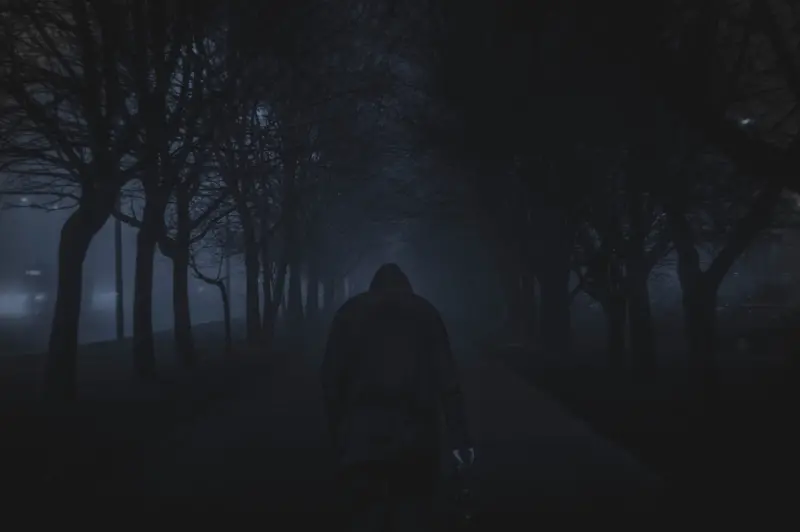
When Nighttime Fear Feels Like a Wrong‑Turned Switch: A Sensory Reset for Sleep Terrors
A personal guide to redesigning your bedroom’s invisible architecture—light, sound, scent, and t... Read More
Top Posts
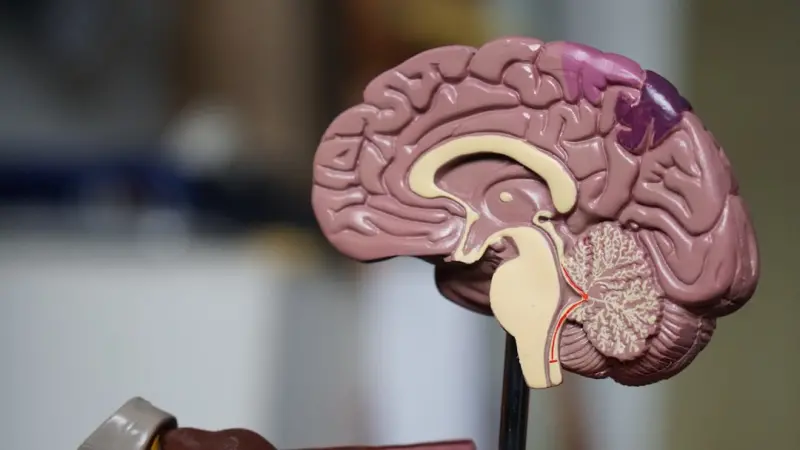
Learning as Longevity: Harnessing Neuro‑Hormesis for a Healthier Future
By treating learning as a deliberate, neuro‑hormetic stressor, you can activate BDNF, improve insulin sensitivity, and reduce inflammation—key components of...Read More

The Power of Gentle Touch: Enhancing Infant Development Through Massage
A comprehensive guide to infant massage, highlighting its scientific benefits for immune, digestive, and neurological development, with step‑by‑step techniq...Read More

Why Curiosity Keeps You Young: Harnessing Playful Learning After 60
Exploring how curiosity and playful learning can transform healthy aging, this article offers practical steps, real-life examples, and tools to keep the mind sh...Read More

Fueling Creative Flow: Nutrition Strategies for the Modern Knowledge Worker
Explore a performance‑oriented nutrition framework—balanced macros, timed fuel, brain‑food staples, and hydration hacks—that transforms how modern profe...Read More
0 Comments
Post Comment
You will need to Login or Register to comment on this post!