
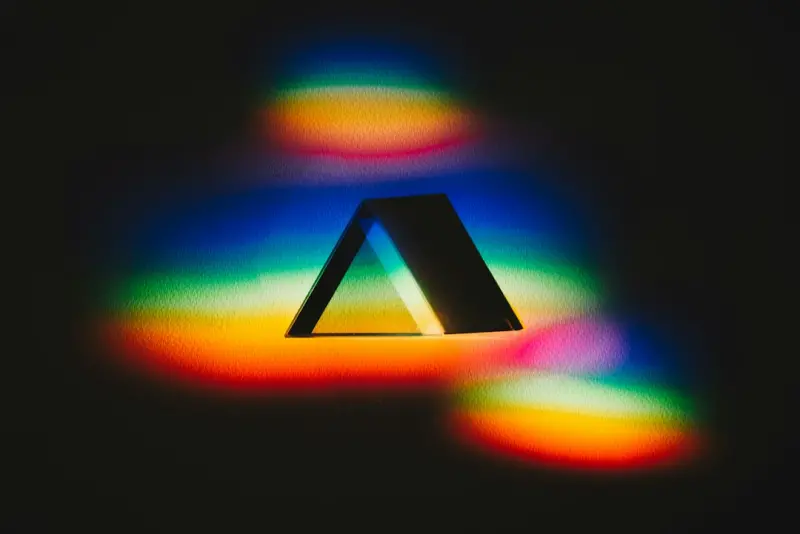
When the streetlights flicker on and the city never truly darkens, many of us find ourselves scrolling, sighing, and staring at the ceiling long after the moon should have taken over. Insomnia isn’t just a personal inconvenience; it’s a systemic signal that the world we’ve built is out of sync with the biology that designed us to sleep. In this piece, I’m pulling back the curtain on one of the most under‑appreciated culprits—ambient light. By understanding how photons infiltrate our nights, we can reclaim the darkness we were wired to thrive in.
The Biology of Light and the Sleep Clock
Our bodies run on a roughly 24‑hour cycle known as the circadian rhythm. At the heart of this system lies the suprachiasmatic nucleus (SCN), a tiny cluster of neurons in the hypothalamus that acts as the master timekeeper. Light is the primary cue that tells the SCN when to dial up melatonin, the hormone that nudges us toward sleep, and when to suppress it in favor of alertness.
When photons hit the retinal ganglion cells—those specialized cells that respond to blue‑rich light—they send a rapid signal to the SCN. Even low‑level illumination can trick the brain into believing it’s still daytime, delaying the melatonin surge and pushing the “sleep window” later. This isn’t a theory; it’s a well‑documented cascade that researchers have mapped for decades. The result? A delayed sleep onset, fragmented REM cycles, and the lingering fatigue that defines chronic insomnia.
Urban Glow: From Streetlamps to Skyscraper Windows
City dwellers are especially vulnerable. High‑intensity LED streetlights, neon signs, and the ubiquitous glow of office towers can extend the ambient light level well past sunset. A recent study from the International Journal of Environmental Health found that neighborhoods with higher light‑pollution indices reported a 27% increase in self‑reported insomnia symptoms.
It’s not just the outdoors. The reflective surfaces of glass‑clad buildings bounce light deep into interior spaces, turning a bedroom into a makeshift night‑shift. And let’s not forget the internal glow of electronic devices—smartphones, tablets, laptops—all of which emit a spectrum rich in short‑wavelength blue light that is particularly potent at suppressing melatonin.
Home Lighting: The Silent Saboteur
Even if you live in a quiet suburb, your indoor lighting choices might be sabotaging your sleep. Traditional incandescent bulbs emit a warm, amber glow that’s relatively benign. In contrast, modern compact fluorescents (CFLs) and many LED fixtures emit higher proportions of blue light, mimicking the daylight spectrum.
Consider this: a typical bedroom lamp set to 1,000 lux at eye level can be as stimulating as a bright office environment. If you’re reading in bed under that light, you’re essentially telling your SCN, “Stay awake.” The solution isn’t to abandon light altogether—rather, it’s about curating the right type, intensity, and timing of illumination.
Tech‑Enabled Light Management
Fortunately, technology now offers tools that let us fine‑tune our nocturnal environment. Smart bulbs, for example, can be programmed to shift from cool, blue‑rich light in the afternoon to warm, amber tones as evening approaches. Some systems even integrate with sunrise alarm clocks, gradually brightening the room to mimic a natural dawn.
Apps that filter blue wavelengths—often marketed as “night mode”—are another quick win. While many of us already use these on phones, extending the concept to televisions and computer monitors can close a major loophole. For those willing to invest a bit more, wearables with built‑in light sensors can track personal exposure and suggest optimal lighting adjustments throughout the day.
Practical Steps for the Light‑Savvy Sleeper
- Assess Your Light Environment. Walk through your home after sunset with a light meter (or a smartphone app) and note any sources exceeding 100 lux in the bedroom.
- Switch to Warm‑Toned Bulbs. Look for bulbs labeled “2700K” or lower. If you need task lighting in the evening, opt for amber‑hued LEDs that emit <10% blue light.
- Blackout Solutions. Heavy curtains, blackout blinds, or even a simple eye mask can dramatically reduce external light intrusion.
- Device Discipline. Adopt a “screen curfew” at least one hour before bed. If you must work late, use blue‑light‑filter glasses or screen overlays.
- Leverage Smart Home Integration. Program your lighting system to dim automatically at your chosen bedtime, and consider a gentle “sunrise” simulation for wake‑up.
When Light Isn’t the Only Player: Intersections with Hormones and Breathing
It would be a mistake to treat light in isolation. Hormonal fluctuations, stress hormones like cortisol, and even subclinical sleep‑disordered breathing can amplify the impact of light exposure. If you’ve read our deep dive on the biochemistry behind insomnia, you’ll recall how cortisol spikes in the evening can blunt melatonin production. Pair that with a bright bedroom, and you’ve got a perfect storm.
Similarly, undiagnosed mild sleep apnea—what we refer to as the “silent partner in your day” in our earlier piece—can cause micro‑arousals that keep the brain from fully transitioning into deep sleep. In such cases, reducing ambient light may improve sleep quality, but a comprehensive health check is still advisable.
Biofeedback and Wearables: Listening to Your Body’s Light Signals
Modern wearables go beyond step counting. Devices equipped with photoplethysmography (PPG) can monitor heart‑rate variability (HRV) and skin temperature—both proxies for autonomic nervous system balance. When combined with ambient light sensors, they can provide a real‑time “light‑stress score,” alerting you when exposure is likely to interfere with sleep.
Some platforms even integrate with smart home hubs, automatically dimming lights when your HRV suggests you’re winding down. This closed‑loop approach is the next frontier in personalized sleep hygiene, turning abstract recommendations into actionable, data‑driven adjustments.
Integrating Light Hygiene Into a Busy Professional Life
For high‑performing professionals, the temptation to work late under bright LEDs is strong. Yet the cost—reduced cognitive sharpness, impaired decision‑making, and long‑term health risks—often outweighs short‑term productivity gains. Here’s a quick framework to embed light hygiene without sacrificing output:
- Designate a “Blue‑Light‑Free Zone.” Your bedroom should be the only space where blue wavelengths are absent after dusk.
- Schedule “Digital Dusk.” Block a calendar reminder 60 minutes before bedtime to transition from work mode to wind‑down mode, including dimming office lights if you’re working from home.
- Use Light‑Blocking Accessories. If you travel frequently, pack a portable blackout curtain or a compact eye mask.
- Leverage the Power of Routine. Consistent bedtime rituals—reading a physical book under a warm lamp, practicing deep‑breathing, or a brief meditation—signal the SCN that it’s time to produce melatonin.
When these habits align, you’ll notice a measurable boost in sleep latency and overall sleep quality, translating to sharper focus and more resilient performance during the day.
Future Directions: Urban Planning and Policy Implications
While individual actions matter, systemic change is essential. Municipalities can adopt “dark‑sky” ordinances that mandate lower‑intensity lighting for streetlights, encourage shielding to direct light downward, and phase out blue‑rich LEDs in favor of amber‑tinted alternatives. Building codes could require adjustable window films for high‑rise apartments, allowing residents to modulate exterior light penetration.
Such policies not only improve public health outcomes but also reduce energy consumption—creating a win‑win scenario for both residents and the environment. As we push toward smarter, more sustainable cities, integrating circadian‑friendly lighting standards should be a core component of urban design.
Conclusion: Embrace the Dark, Reclaim Your Nights
Insomnia is a multi‑faceted challenge, but ambient light is a lever we can pull with relative ease. By auditing our environments, adopting warm‑toned illumination, and leveraging technology to create personalized light schedules, we can realign our internal clocks with the natural world. The night is meant to be dark; it’s time we let it be that way again.

Related Posts
The Unraveling of Sleep: A Personal Journey with Insomnia
A personal journey with insomnia, exploring holistic approaches to managing sleep disorders, includi... Read More
Crafting a Bedroom Sanctuary to Outsmart Insomnia
A step‑by‑step guide to redesigning your bedroom’s sensory environment—light, sound, scent, ... Read More

Tammy French’s Holistic Journey: Turning Insomnia Into Insight
Tammy French shares her personal, holistic strategies for conquering insomnia, from nutrition and br... Read More
Top Posts

The Hidden Power of Lymphatic Flow: A Fresh Take on Body Detox
Explore why the lymphatic system is the unsung hero of detox, and learn practical movement, breathing, nutrition, and environmental habits to keep it flowing fo...Read More
Unlocking Brain Health in 2026: Holistic Strategies for a Sharper Mind
Explore 2026’s top holistic strategies—from nutrition and movement to sleep and tech—to sharpen your mind, boost resilience, and thrive with vibrant brain...Read More
Period Power: Turning Your Cycle into a Strength Engine
Learn how to transform your menstrual cycle from a monthly inconvenience into a strategic advantage by aligning nutrition, exercise, and work tasks with hormona...Read More

Cold Showers & Breathwork: A New Frontier for Blood Sugar Management
Explore a practical daily protocol that combines cold showers and structured breathing to improve insulin sensitivity, reduce glucose spikes, and enhance overal...Read More
0 Comments
Post Comment
You will need to Login or Register to comment on this post!