
Rewriting the Night: Harnessing Storytelling to Calm Sleep Terrors
When the darkness rolls in and a sudden surge of dread erupts from the shadows, it feels as if an unseen script is being forced upon you, one you never wrote. I’ve spent countless evenings wrestling with those abrupt, heart‑racing bursts that leave me breathless on the floor, eyes wide, mind tangled in a nightmare that refuses to fade. What if, instead of fighting the scene, we could become the author of that midnight narrative, turning chaos into a calm that lets the body finally surrender to restorative sleep?
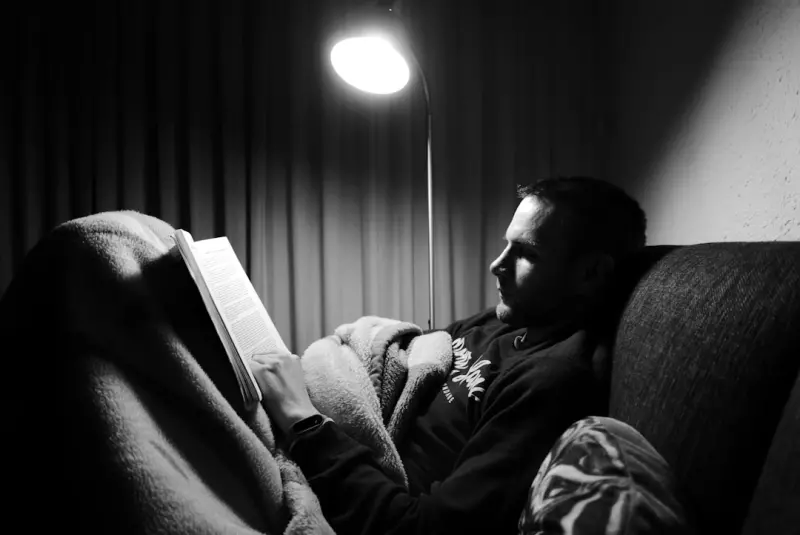
First, the stage matters: a bedroom that feels safe and inviting can quiet the mind long before the first dream flickers. I discovered that subtle changes—like cool, muted lighting, a weighted blanket that mimics a gentle hug, and a scent of lavender that whispers relaxation—create a backdrop that discourages the brain from defaulting to terror. For a deeper dive into crafting that protective backdrop, explore the guide on creating an optimal sleep environment, which outlines practical steps you can implement tonight.
Our earliest memories of fear often come wrapped in the vivid imagination of childhood, where monsters under the bed or lurking shadows become larger than life. Those early narratives linger, stored in the brain’s limbic system, ready to replay when the night is quiet enough to hear them. By recognizing that these terror scripts are not immutable truths but rather outdated storylines, we open a doorway to rewrite them with new, empowering characters and outcomes.
Grounding the senses provides the first line of defense against an intrusive night‑time script. Before bedtime, I place a soft, textured stone in my hand, inhale the calming aroma of chamomile, and play a low‑frequency hum that mimics a heartbeat—each cue signals safety to the nervous system. When a terror surge begins, reaching for that stone, breathing in the familiar scent, or focusing on the hum can interrupt the cascade, pulling the brain out of the fear loop and back into the present moment.
Daylight isn’t just for waking hours; it can be the prologue that sets the tone for a tranquil night. A brief walk in the early morning sun, followed by a brief ritual of stretching while listening to gentle acoustic tones, teaches the brain to associate light with calm progression. Incorporating such daylight rituals helps regulate melatonin production, smoothing the transition from wakefulness to sleep and reducing the likelihood of night‑time terror spikes.
Journaling acts as a narrative rehearsal, allowing you to edit the terror plot before it has a chance to act. Each evening, I write a short scene where the feared figure appears, but this time I give it a compassionate motive or an unexpected, humorous twist—perhaps the monster is simply looking for a lost sock. By scripting these alternate endings, the subconscious mind learns to anticipate a gentler resolution, weakening the terror’s grip when the night truly falls.
Sharing these rewrites with a trusted friend or a small support circle can amplify their power, turning a solitary fear into a communal story. In these safe spaces, we exchange versions of our night‑time tales, offering feedback and collective imagination to further dilute the original dread. If you’re looking for inspiration on how to structure that collaborative process, the article on a personal blueprint for confronting sleep terrors offers a clear roadmap.
Tracking progress is essential; a simple sleep log that notes the frequency, intensity, and any grounding technique used provides tangible evidence of improvement. Over weeks, patterns emerge—perhaps a particular scent consistently reduces episodes, or a specific story revision proves especially effective. This data not only validates the effort but also informs future adjustments, turning the journey into an evolving, evidence‑based practice.
Ultimately, the goal isn’t to eradicate every shadow but to change the script so that the shadows become background characters in a larger, peaceful narrative. By combining sensory grounding, daylight rituals, and creative storytelling, you empower your brain to rewrite the night’s story, granting yourself the gift of calm, uninterrupted sleep. Trust the process, stay consistent, and let your imagination become the ally that escorts you safely through the darkness.

Tammy French is a Montessori Teaching Assistant and freelance writer passionate about education, creativity, and inspiring lifelong learning through engaging content.
Related Posts

Silencing Nighttime Fear: How Everyday Choices Calm Sleep Terrors
A deep dive into how lighting, temperature, diet, and digital habits trigger sleep terrors—and act... Read More

When Nightmares Knock: Turning Sleep Terrors Into Insightful Allies
A fresh, compassionate approach to sleep terrors that blends somatic resets, micro‑mental declutte... Read More

Reframing Night‑Time Panic: A Data‑First Blueprint for Taming Sleep Terrors
A data‑first approach transforms sleep terrors from mysterious nightmares into measurable performa... Read More
Top Posts

Why the Colors on Your Plate Matter More Than You Think
A vibrant plate isn’t just pleasing to the eye; it’s a powerful tool for hormonal balance. Explore the science behind food colors and get a practical guide ...Read More

The 5‑Step Sensory Reset: A Fresh Blueprint for Natural Body Detox
A practical, habit‑based blueprint that aligns eating rhythms, movement, prebiotic timing, air quality, and digital habits to support the body’s natural det...Read More

Prediabetes: A Wake-Up Call for a Healthier Lifestyle
Prediabetes is a condition where blood sugar levels are higher than normal but not high enough to be classified as diabetes. Learn how to prevent and manage pre...Read More

Curiosity as a Catalyst: Rewiring Your Brain for Joyful Mental Health
Learn to use curiosity as a daily mental‑health tool, turning rumination into discovery and enriching relationships through mindful questioning....Read More
0 Comments
Post Comment
You will need to Login or Register to comment on this post!