
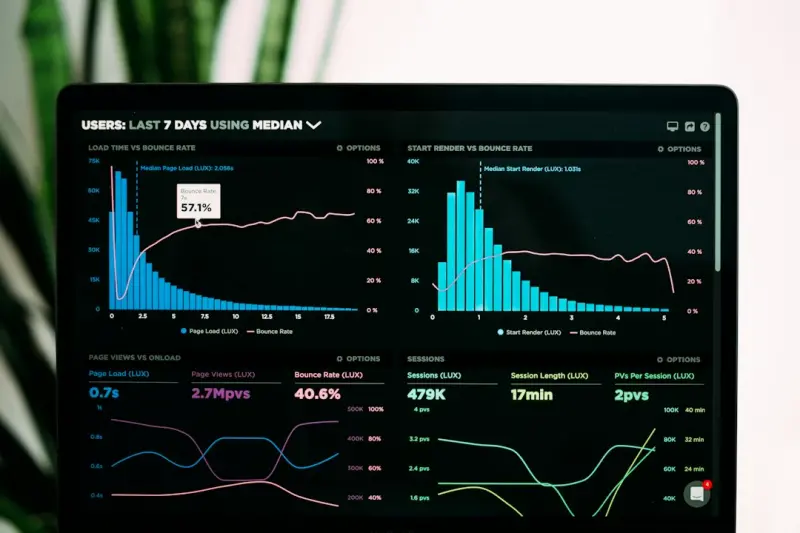
When Nighttime Frights Become Data Points: Turning Sleep Terrors into a Personal Insight Engine
Ever woken up with your heart pounding, a phantom scream echoing in the darkness, and an inexplicable feeling that something unseen is lurking in the room? If you’ve ever experienced a sleep terror, you know it’s not just a bad dream—it’s a physiological jolt that can feel as real as any waking crisis. I’ve spent the past several years dissecting the interplay between performance, health, and the subtle signals our bodies send us at night. In this piece, I’ll walk you through why sleep terrors deserve a seat at the data‑driven health table, how to capture them with today’s tools, and what the patterns they reveal can teach us about resilience, stress adaptation, and even decision‑making.
1. Sleep Terrors 101: The Science Behind the Surge
Sleep terrors (also known as pavor nocturnus) are abrupt, intense episodes of fear that typically occur during the first third of the night, when the brain is in deep non‑REM (N3) sleep. Unlike nightmares, which happen during REM sleep and are usually recalled, terrors can leave you with fragmented memories—a rush of adrenaline, a feeling of dread, and a sudden awakening.
- Neurological flashpoint: The brain’s thalamus, a relay station for sensory information, misfires, creating a surge of autonomic arousal while the cortex remains largely offline.
- Hormonal cascade: Cortisol and norepinephrine spike, priming the body for a fight‑or‑flight response even though you’re still technically asleep.
- Genetic predisposition: Studies suggest a heritable component; families with histories of anxiety or sleep disorders often see higher prevalence.
These bursts are more than a nuisance—they’re a window into how your nervous system handles stress when you’re not consciously steering the ship.
2. Why Most People Ignore the Data (And Why That’s a Missed Opportunity)
We track steps, heart rate variability, and even blood glucose levels in real time, yet we rarely log the “ghosts” that visit us at night. The main reason? Sleep terrors are fleeting, hard to remember, and—until recently—difficult to quantify. But the modern health stack is changing that narrative.
Consider the sleep apnea community. By pairing portable polysomnography with AI‑driven pattern recognition, they turned a silent threat into a performance lever. Sleep terrors can undergo a similar transformation if we approach them with the same rigor.
3. Building a Night‑Time Insight Engine: The Minimal Viable Setup
Here’s a pragmatic, low‑friction workflow you can deploy tonight:
- Wearable selection: Choose a device that captures high‑resolution heart rate, skin conductance, and motion (e.g., a next‑gen smartwatch or a dedicated sleep band). Look for open SDKs so you can export raw data.
- Event flagging: Set thresholds for sudden HR spikes (>30% above baseline) combined with motion bursts (jerk > 1.5 g). When both criteria align, tag the epoch as a “potential terror.”
- Journal sync: Keep a simple sleep log (paper or app) where you note any recollection upon waking. Even a one‑word description (“chasing”, “screaming”) can add valuable context.
- Analytics dashboard: Use a spreadsheet or a low‑code BI tool to visualize frequency, timing, and correlation with daytime stressors (e.g., meetings, caffeine intake, screen time).
The goal isn’t to become a nocturnal data scientist; it’s to create a feedback loop that informs how you manage stress, nutrition, and environment.
4. Decoding the Patterns: What Your Nighttime Alerts Reveal
Once you’ve gathered a few weeks of data, look for recurring themes:
- Temporal clustering: Do terrors spike after late‑afternoon caffeine spikes? After intense cardio sessions? Identifying “trigger windows” can guide subtle habit tweaks.
- Environmental fingerprints: Light exposure, room temperature, and even electromagnetic noise can influence deep sleep stability. If you notice a higher incidence on nights when the bedroom is cooler (around 65 °F), you may be tapping into the same mechanisms discussed in environmental edge research.
- Emotional residue: Cross‑reference with your daily stress logs. A surge in high‑stakes decision‑making (e.g., client pitches) often translates to a nighttime surge in autonomic arousal.
These insights can become actionable. For example, a pattern linking late‑day caffeine to terrors may prompt you to shift your coffee intake earlier, or replace it with a low‑caffeine alternative.
5. Nutrition as a Modulator: Feeding the Brain for Calm Nights
Food isn’t just fuel for muscles; it’s a neurochemical cocktail that shapes sleep architecture. The quiet power of food pairing article showed how specific macro‑combinations can sharpen cognition. The same principle applies to deep‑sleep stability.
Key nutrients to consider:
- Magnesium‑rich foods: Dark leafy greens, pumpkin seeds, and black beans promote GABA activity, soothing the nervous system.
- Complex carbs with low glycemic index: These prevent nocturnal blood‑sugar dips that can trigger stress hormones.
- Omega‑3 fatty acids: EPA/DHA support neuronal membrane fluidity, potentially dampening the thalamic hyper‑excitability that underlies terrors.
Pairing these nutrients strategically—think a magnesium‑boosted quinoa bowl with a side of salmon—can create a “sleep‑friendly” metabolic state that reduces the likelihood of autonomic spikes.
6. Digital Detox: The Unseen Influence of Electromagnetic Noise
Modern bedrooms are saturated with wireless signals—from routers to smart speakers. While research is still evolving, emerging evidence suggests that chronic exposure to low‑level electromagnetic fields can disrupt circadian rhythms and deepen the brain’s susceptibility to arousal during non‑REM sleep.
Implementing a simple digital blackout zone—turning off Wi‑Fi, moving devices 6 feet away, and using a blue‑light‑blocking routine—has been shown to improve sleep continuity. The detoxifying the digital age guide provides a step‑by‑step playbook you can adapt for a terror‑free night.
7. From Fear to Fuel: Harnessing the Adaptive Potential of Terrors
Here’s a contrarian thought: occasional sleep terrors may be a built‑in “stress test” for your autonomic nervous system. By exposing your body to brief surges of cortisol and norepinephrine, the brain learns to calibrate its threat detection pathways. The key is moderation—excessive episodes are a sign of dysregulation, but a few per month can be a sign of a resilient system that’s still tuning its responses.
To leverage this, try a controlled exposure protocol:
- Identify a low‑frequency period (e.g., a weekend with minimal work stress).
- Deliberately introduce a mild stressor before bed—like a 10‑minute high‑intensity interval session or a challenging puzzle.
- Observe whether the stressor precipitates a terror episode.
- Document the after‑effects: Did you feel more alert the next day? Did your decision‑making feel sharper?
Over time, you may discover a “sweet spot” where a single, manageable terror primes you for heightened focus without compromising recovery.
8. The Role of Mind‑Body Practices in Resetting the Night
Integrating mindfulness, breathwork, and gentle yoga before bedtime can lower basal sympathetic tone. A 5‑minute diaphragmatic breathing routine—inhale for 4 seconds, hold for 2, exhale for 6—has been shown to reduce HR variability spikes during deep sleep. This aligns with the broader narrative that breathing practices can transform a health liability (sleep apnea) into a performance advantage.
Consider a nightly ritual:
- Dim lights to warm amber 30 minutes before sleep.
- Perform a 3‑minute body‑scan meditation, focusing on releasing tension from the shoulders and jaw.
- Finish with a 2‑minute breathbox (4‑2‑6 pattern) to activate the parasympathetic nervous system.
Consistency is crucial—these practices recalibrate the brain’s arousal thresholds, making it less likely to misfire during non‑REM cycles.
9. When to Seek Professional Guidance
While DIY data collection is empowering, persistent or worsening sleep terrors merit clinical attention. Red flags include:
- Episodes exceeding five per week.
- Associated daytime anxiety, memory lapses, or mood swings.
- Physical injury from nocturnal thrashing.
A sleep specialist can order a full polysomnography, evaluate for underlying conditions (e.g., restless leg syndrome, nocturnal epilepsy), and recommend targeted therapies such as cognitive‑behavioral sleep training or low‑dose melatonin.
10. A Personal Closing Thought
In my own journey, I’ve transformed night‑time fear into a compass for daily optimization. By treating each terror as a data point rather than a mystery, I’ve fine‑tuned my nutrition, reshaped my environment, and built a feedback loop that keeps my performance engine humming even under pressure.
Sleep isn’t a passive backdrop—it’s a dynamic arena where your body runs simulations, calibrates stress responses, and writes subtle scripts for your waking life. Embrace the whispers from the darkness, log them, and let the patterns guide you toward a more resilient, data‑informed self.

Lifan Chen is a freelancer based in Toronto specializing in marketing. With expertise in crafting effective marketing strategies and campaigns, Lifan helps businesses grow their brand presence and reach target audiences. As a Toronto-based freelancer, Lifan combines local market insights with creative marketing skills to deliver tailored solutions for clients.
Related Posts

When Nightmares Turn Real: A High‑Performer's Guide to Taming Sleep Terrors
Sleep terrors can sabotage even the most disciplined professionals. This guide explains the science ... Read More

When Sleep Terrors Hijack Your Day: Unpacking the After‑Hours Ripple Effect
Sleep terrors don’t end when you open your eyes. This post explores their lingering impact on mood... Read More
Rewriting the Night: Harnessing Storytelling to Calm Sleep Terrors
Sleep terrors feel like night‑time invasions, but you can rewrite the script. Learn how storytelli... Read More
Top Posts

Micro‑Movement Mastery: Transforming Everyday Streets into a Personal Gym
Learn how to turn city sidewalks, stairs, and waiting moments into quick, effective workouts. This guide offers a science‑backed micro‑movement strategy tha...Read More

Designing a Personal Vaping Ritual: Mindful Flavor Exploration and Breath Control
Learn to transform vaping from habit to mindful ritual, using flavor, breath patterns, and supportive micro‑habits to boost wellness and control nicotine....Read More

Playful Movement and Habit Architecture: A Fresh Path to Sustainable Weight Loss
A fresh, playful approach to weight loss focuses on habit architecture, emotional anchors, and sensory nutrition, turning the journey into a joyful, sustainable...Read More
Reimagining Body Detox: A Holistic Blueprint for Everyday Clean Living
A fresh take on detoxification that integrates liver support, kidney hydration, lymphatic movement, heat and cold therapy, gut health, and digital wellness into...Read More
0 Comments
Post Comment
You will need to Login or Register to comment on this post!