
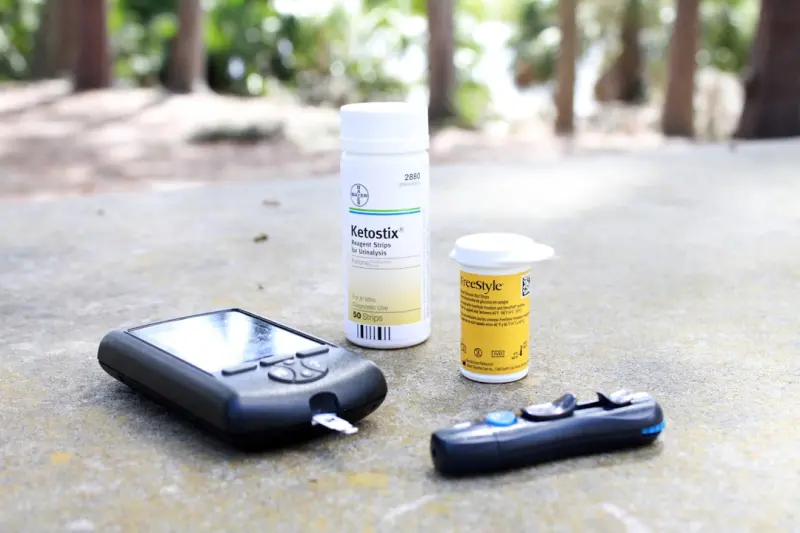
Prediabetes and the Invisible Workload: Managing the Hidden Stressors of a Silent Diagnosis
When I first heard the word “prediabetes,” it felt like stepping onto a treadmill that no one else could see. The doctor’s calm voice, the lab results printed in neat rows, and the polite smile on the nurse’s face did little to cushion the sudden weight that settled on my shoulders. I was told I was “at risk” – a phrase that sounds reassuringly vague until you live it daily.
Most conversations about prediabetes focus on the obvious: diet tweaks, exercise routines, and the occasional blood‑sugar check. Those are undeniably important, but they’re only the tip of the iceberg. Beneath the surface lies an invisible workload that can erode confidence, strain relationships, and even impact professional performance. In this post, I’ll unpack that hidden side, share strategies that have helped me stay sane, and point you toward resources that can make the journey a little less solitary.
The Silent Stressors That Show Up First
Imagine you’re juggling three balls. One is your career, another your family, and the third is your health. For most of us, the health ball is a gentle, predictable sphere. When prediabetes enters the mix, that ball becomes a glass marble – fragile, and suddenly you’re terrified of dropping it.
- Identity Shift: You start questioning who you are. “Am I a ‘healthy person’ or a ‘patient’ now?” This internal dialogue can ripple into self‑esteem and how you present yourself at work or in social circles.
- Information Overload: The internet is a double‑edged sword. One moment you’re reading about the benefits of low‑glycemic foods; the next, you’re hit with headlines about “diabetes inevitable” or “the sugar apocalypse.” Sifting fact from fear becomes a full‑time job.
- Social Navigation: Family meals, office celebrations, and weekend outings suddenly feel like minefields. Declining a slice of cake can be taken as a judgment on your “strictness,” while indulging can trigger guilt that lasts days.
- Financial Calculus: New tests, potential medication, and specialized groceries add up. The budgeting spreadsheets you once used for vacations now have a new line item: “prediabetes management.”
- Workplace Perception: You might worry that mentioning your condition will label you as “less capable” or “needing accommodations,” even if you’re just asking for a short walk break or a water bottle on your desk.
These stressors are invisible because they don’t show up on a glucometer, but they’re real, and they can amplify the physiological challenges of prediabetes.
Reframing the Narrative: From “Risk” to “Opportunity”
The first step in lightening the invisible load is to change the story you tell yourself. “Risk” sounds ominous, but it also means potential – a chance to intervene before a full‑blown diagnosis. Here’s how I shifted my mindset:
- Adopt a “learning mode” instead of a “failure mode.” Every blood‑sugar spike is a data point, not a verdict. I started logging my meals, moods, and activities in a simple notebook, treating the process like a science experiment rather than a moral judgment.
- Celebrate micro‑wins. A 5‑minute walk after lunch, swapping soda for sparkling water, or choosing a leafy side at a restaurant—each tiny victory adds up. I created a “win wall” in my kitchen where I pinned sticky notes with these successes.
- Lean into community. I joined a local “pre‑diabetes peer group” (yes, it exists!). Sharing stories turned my anxiety into camaraderie, and I realized I wasn’t alone in navigating the hidden workload.
When you reframe, the invisible load becomes a series of manageable tasks rather than an overwhelming monolith.
Practical Tactics for the Everyday Invisible Load
Below are strategies that address the hidden stressors without demanding a total lifestyle overhaul. They’re designed to be integrated into existing routines, so you don’t feel like you’re adding another massive to‑do list.
1. Buffer Your Calendar for “Health Check‑Ins”
Just as you’d schedule a meeting with a client, block out 10‑15 minutes twice a week for a personal health check‑in. Use this time to:
- Review your blood‑sugar log and note any patterns.
- Plan meals for the upcoming days, focusing on balance rather than restriction.
- Practice a quick breathing exercise to reset stress levels.
When you treat it as a non‑negotiable appointment, you reduce the mental clutter of “when will I get around to it?”
2. Leverage Simple hydration strategies as a Dual‑Purpose Tool
Staying well‑hydrated does more than support metabolic processes; it can be a subtle cue to pause, sip, and breathe. Keep a reusable water bottle on your desk and set a gentle reminder on your phone to take a sip every hour. The act of drinking becomes a micro‑break, helping you reset focus and curb mindless snacking.
3. Create “Social Scripts” for Food‑Focused Events
Having a few go‑to phrases can ease the anxiety of navigating meals with friends or coworkers. For example:
- “I’m trying a new eating plan right now; can I get a side of veggies instead?”
- “I’m focusing on protein tonight; could I have the grilled chicken instead of the pizza?”
- “I’m watching my sugar levels, so I’ll stick with the water. Thanks for understanding!”
Practicing these lines in front of a mirror or with a trusted friend makes them feel natural when the moment arrives.
4. Use Technology Wisely, Not Excessively
Wearable trackers can be a boon, but they can also become an obsession. I found a balance by setting a daily “data window.”strong> I check my step count and heart rate in the morning and evening, then disconnect. If you’re interested in deeper insights, the glucose‑rollercoaster article offers a nuanced look at how micro‑movements affect blood sugar, but you don’t need to read it every day.
5. Build a Financial Safety Net
Start a “health budget” line item in your monthly spreadsheet. Even a modest $20‑$30 allocation for fresh produce or a nutrition app can prevent larger, unexpected expenses later. If your employer offers a Health Savings Account (HSA), consider contributing; it’s tax‑advantaged and can cover future tests or counseling.
6. Communicate Thoughtfully at Work
You don’t have to disclose every detail, but a brief, confident statement can set expectations. For example:
“I’m working on a health plan that includes short walking breaks. I’ll make sure my tasks stay on track, and I appreciate any flexibility you can offer.”
Framing it around productivity rather than limitation often garners support.
Integrating the Invisible Load Into a Holistic Wellness Routine
While the tactics above address specific stressors, they’re most powerful when woven into a broader, compassionate self‑care framework.
Mindful Moments, Not Mindful Marathons
Instead of aiming for a 30‑minute meditation session each day (which can feel daunting), start with three 2‑minute breaths. Focus on the sensation of air entering your nostrils, the rise and fall of your chest. Those brief pauses can lower cortisol, which in turn helps stabilize blood sugar.
Sleep Hygiene as a Foundation
Sleep is often the forgotten pillar of prediabetes management. Aim for a consistent bedtime routine: dim lights an hour before sleep, limit screens, and consider a short, calming read. Even a 15‑minute improvement in sleep quality can enhance insulin sensitivity.
Movement That Feels Good, Not Punishing
Traditional advice leans heavily on “cardio” and “HIIT.” For many, those can feel like chores, adding to the invisible load. Instead, explore activities you genuinely enjoy: dancing in your living room, a leisurely bike ride through a park, or a gentle yoga flow. The key is consistency, not intensity.
Nutrition as Exploration, Not Restriction
Swap the “no‑sugar” mantra for “discovering flavors that fuel me.” Experiment with spices, herbs, and new vegetables. When you approach meals as a culinary adventure, you’re less likely to feel deprived.
When the Invisible Load Becomes Too Heavy: Signs It’s Time to Seek Help
Even with the best self‑management, the hidden stressors can pile up. Watch for these red flags:
- Persistent feelings of overwhelm that interfere with daily tasks.
- Escalating anxiety or depressive symptoms.
- Physical manifestations such as chronic headaches, gastrointestinal upset, or unexplained fatigue.
- Avoidance of medical appointments or neglecting blood‑sugar monitoring.
If you notice any of these, consider reaching out to a mental health professional, a registered dietitian who specializes in metabolic health, or a peer‑support group. You don’t have to carry the invisible workload alone.
Closing Thoughts: Embracing the Journey, Not Just the Destination
Prediabetes isn’t a static label; it’s a dynamic process that intersects with every facet of life. By acknowledging the hidden stressors and implementing intentional, bite‑size strategies, you can transform the invisible workload from a source of dread into a roadmap for growth.
Remember, the goal isn’t perfection—it’s progress. Each time you choose a glass of water over soda, take a brief walk, or speak up about a work accommodation, you’re rewriting the narrative of your health. And in doing so, you’re not just managing prediabetes—you’re redefining what it means to thrive in the modern world.

Nikki McDonald is a freelancer based in Waterloo. She brings her skills and expertise to various projects, balancing her professional work with a personal life that includes her husband, Stewart.
Related Posts
Understanding Prediabetes: A Wake-Up Call for a Healthier Lifestyle
Prediabetes is a condition that affects millions of people worldwide, often without them even realiz... Read More
When Prediabetes Becomes a Compass for Change
Learn to view prediabetes as a helpful signal, using simple experiments, micro‑journaling, and men... Read More
Prediabetes as a Strategic Pivot: Turning a Health Warning into a Performance Upgrade
Treat prediabetes as a strategic pivot: reframe the label, build real‑time feedback loops with wea... Read More
Top Posts

Reclaiming Male Vitality: A Holistic Playbook for Modern Men
Discover a comprehensive, 30‑day plan that blends hormone awareness, targeted nutrition, micro‑movements, community support, and mindful practices to elevat...Read More

From Diagnosis to Daily Wins: My Personal Playbook for Managing Prediabetes
A firsthand guide turning a prediabetes label into actionable daily wins through mindset shifts, community support, and simple tech tools....Read More

When Performance Metrics Meet Eating Disorder Recovery
A deep‑dive into how corporate performance metrics can unintentionally fuel eating disorders—and how the same data tools can be repurposed to create a suppo...Read More
The Holistic Playbook for Lifelong Vitality
A personal guide to thriving longer through mindful habits, functional movement, gut health, and community connection—crafted for everyday vitality....Read More
0 Comments
Post Comment
You will need to Login or Register to comment on this post!