
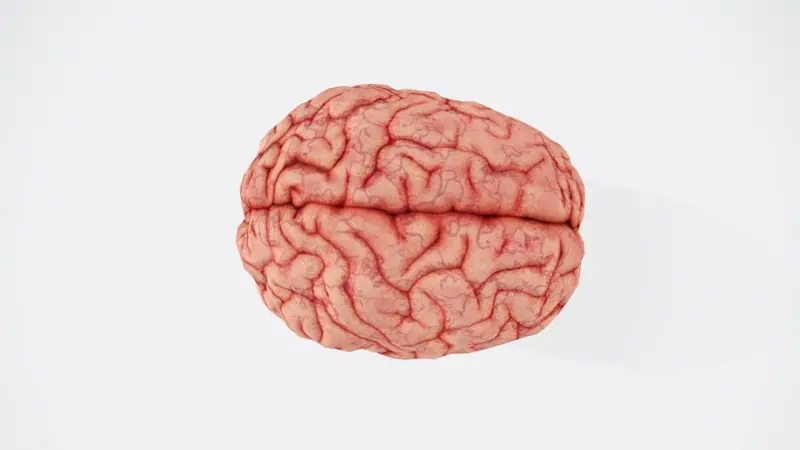
Imagine you’re sitting at your desk, the inbox pinging, the deadline looming, and your mind feels like a crowded subway at rush hour. You reach for a coffee, scroll through a feed, and suddenly the anxiety spikes. What if the antidote isn’t a massive meditation retreat or a week‑long digital detox, but a series of intentional, two‑minute pauses that you can sprinkle throughout the day? These “micro‑moments” are tiny, deliberate rituals that reset the nervous system, sharpen focus, and build a subtle but powerful layer of emotional resilience.
Why Micro‑Moments Matter More Than You Think
Our brains are wired for novelty and change. When we stay in a single mental state for too long—especially a stressed or anxious one—neural pathways become reinforced, making it harder to shift gears. Neuroscience tells us that short, varied sensory inputs can trigger the release of dopamine and serotonin, the very neurotransmitters that underlie feelings of reward and well‑being. A brief pause that introduces a new sensory cue—like the scent of citrus, a gentle stretch, or a grounding breath—creates a “neural reset button.” Over time, these resets accumulate, rewiring the brain toward greater flexibility and calm.
Micro‑moments also align with the principle of “interval training” for the mind. Just as athletes improve endurance by alternating effort with rest, mental stamina grows when we intersperse focus with purposeful breaks. The result is a steadier baseline of emotional regulation, less susceptibility to burnout, and a sharper ability to respond creatively to challenges.
Designing Tiny Rituals That Feel Natural
Because the goal is sustainability, micro‑rituals must feel effortless and enjoyable. Below are four categories you can experiment with, each anchored in a different sensory channel:
- Breath & Sound: Inhale for four counts, hold for two, exhale for six. Pair this with a single, calming tone—a chime, a wind chime, or a favorite song snippet.
- Touch & Movement: Roll a stress ball, stretch the neck, or press the palms together in a brief “palming” exercise. The tactile feedback tells the brain, “I’m safe.”
- Sight & Color: Glance at a vivid object—a plant leaf, a piece of artwork, or a colored sticky note. The visual pop can interrupt the monotony of a screen.
- Smell & Taste: Keep a small vial of essential oil (peppermint or lavender) or a piece of dark chocolate at your desk. A quick sniff or bite can launch a cascade of positive neurochemicals.
Pick one from each category and schedule them at natural transition points: after a meeting, before answering a call, or when you notice tension building. The key is consistency, not perfection.
Science Behind Sensory Grounding
Grounding techniques—often used in trauma therapy—rely on the same principle: anchoring attention in the present through sensory input. A seminal study from the University of Chicago found that a simple five‑second grounding exercise reduced cortisol spikes in participants exposed to a stressor. While that study focused on a slightly longer practice, the underlying mechanism translates directly to micro‑moments: any brief, focused sensory experience can cue the parasympathetic nervous system to kick in, lowering heart rate and calming the amygdala.
Research also highlights the role of the default mode network (DMN), a brain network active during mind‑wandering and rumination. Short, purposeful distractions can temporarily deactivate the DMN, pulling you out of spiraling thoughts and into a state of present‑focused awareness.
Embedding Micro‑Breaks at Work Without Raising Eyebrows
Corporate culture often equates constant activity with productivity, but the smartest firms are now championing “micro‑wellness.” Here’s how to integrate micro‑moments without appearing unproductive:
- Leverage existing tools: Set a recurring calendar reminder titled “Reset” that pops up for two minutes. The reminder itself becomes a cue.
- Team‑wide adoption: Propose a “One‑Minute Pause” at the start of each meeting. When everyone participates, it normalizes the practice.
- Visible cues: Place a small, bright object on your monitor—a paperclip shaped like a sun, for instance. Each glance triggers the micro‑ritual you’ve paired with it.
- Data‑driven justification: Reference findings from daydreaming for stress relief to illustrate how brief mental shifts improve creative output.
When leadership sees that short breaks lead to fewer sick days, higher focus, and better collaboration, the practice becomes a win‑win.
Digital Minimalism in Two‑Minute Bursts
We live in a world of endless notifications. Instead of battling the flood, use micro‑moments to set digital boundaries:
- Notification audit: Spend 30 seconds turning off non‑essential alerts. The act of curating your digital environment is itself a micro‑ritual.
- Screen‑free check‑in: After each email batch, close the screen, stand, and perform a quick stretch. This prevents the “sticky‑screen” effect where the brain stays in a high‑alert state.
- Mindful scrolling: Before you swipe, ask yourself, “What am I seeking?” If the answer is vague, close the app.
These micro‑adjustments reduce the cognitive load of constant digital chatter, allowing your brain to allocate resources to deeper thinking.
AI‑Driven Mental Wellness: A Complement, Not a Replacement
Technology isn’t the enemy; it can be an ally. Emerging AI‑driven mental health screening tools can flag early signs of burnout or anxiety based on language patterns in emails or chat messages. When combined with your personal micro‑moment practice, these tools provide a data‑backed safety net—alerting you when you might need to increase the frequency or intensity of your rituals.
Think of AI as a personalized coach that nudges you toward the next micro‑break before you even realize you need it. The technology respects privacy by processing data locally, offering insights without exposing personal details to third parties.
Connecting Home Environments to Mental Calm
Even outside the office, the same principles apply. Smart home devices can be programmed to emit a soothing scent or gentle light change at predetermined intervals. For example, a voice‑activated assistant can trigger a “calm mode” that dims lights, plays a low‑frequency soundscape, and reminds you to take a two‑minute breath exercise. This seamless integration mirrors the approach described in connected tech for mental wellbeing, showing how the same infrastructure can serve multiple generations.
Measuring Impact Without Obsessing Over Numbers
While it’s tempting to track every micro‑moment, the most reliable indicator is how you feel over a week. Use a simple three‑point scale at the end of each day: 1️⃣ stressed, 2️⃣ neutral, 3️⃣ calm. Over time, you’ll notice a trend upward as your brain adapts to the regular resets.
If you prefer a more quantitative approach, a wearable that tracks heart‑rate variability (HRV) can reveal physiological changes. An upward HRV trend often correlates with improved stress resilience. The key is to use data as a gentle guide, not a punitive scoreboard.
Takeaway: Start Small, Stay Consistent, Scale Gently
The beauty of micro‑moments is that they require no massive time commitment, no expensive equipment, and no radical lifestyle overhaul. By planting tiny, intentional pauses throughout your day, you create a network of calm nodes that collectively transform your mental landscape.
Begin today: choose one sensory cue—perhaps a lavender spritz—set a timer for two minutes, and breathe deeply while you enjoy the scent. Notice the subtle shift in your mood. Then, add another cue tomorrow. In a week, you’ll have built a personalized micro‑ritual toolkit that can weather any storm, from looming deadlines to unexpected life changes.
Remember, mental health isn’t a destination; it’s a practice. And the most sustainable practices are the ones you can repeat in the smallest slices of time.

Tammy French is a Montessori Teaching Assistant and freelance writer passionate about education, creativity, and inspiring lifelong learning through engaging content.
Related Posts

Finding Calm in the Chaos: A Holistic Path to Mental Wellness
A personal journey through mindfulness, sleep rituals, nutrition, and community, offering actionable... Read More

Quiet Revolution: Harnessing Ambient Soundscapes to Calm the Modern Mind
Paula Wright reveals how intentional ambient soundscapes, paired with brief breathing microbreaks, c... Read More
Recharging Empathy: Turning Compassion Fatigue into Sustainable Strength
Learn how to identify early signs of compassion fatigue and use micro‑replenishment, strategic bou... Read More
Top Posts
Sweat the Stress Away: Why Saunas Are a Game‑Changer for Men’s Health
Regular sauna use offers men a low‑tech, high‑impact health boost—enhancing heart function, testosterone levels, brain health, muscle recovery, and even c...Read More

Rediscovering Joy: A Fresh Playbook for Senior Well‑Being
A warm, guide‑style article offering seniors and their families actionable ideas—from home tweaks and tech coaching to purposeful projects—to enhance heal...Read More

Detox Without Deprivation: A Gentle Reset
A practical, 7‑day reset that combines gentle movement, deep breathing, smart sweating, and nutrition hacks to boost your body’s built‑in detox pathways w...Read More

Rhythms, Relationships, and Simple Swaps: A Fresh Playbook for Managing Blood Pressure
A personal, science‑backed guide reveals how rhythm, community accountability, strategic food swaps, and simple daily movements can naturally lower blood pres...Read More
0 Comments
Post Comment
You will need to Login or Register to comment on this post!