
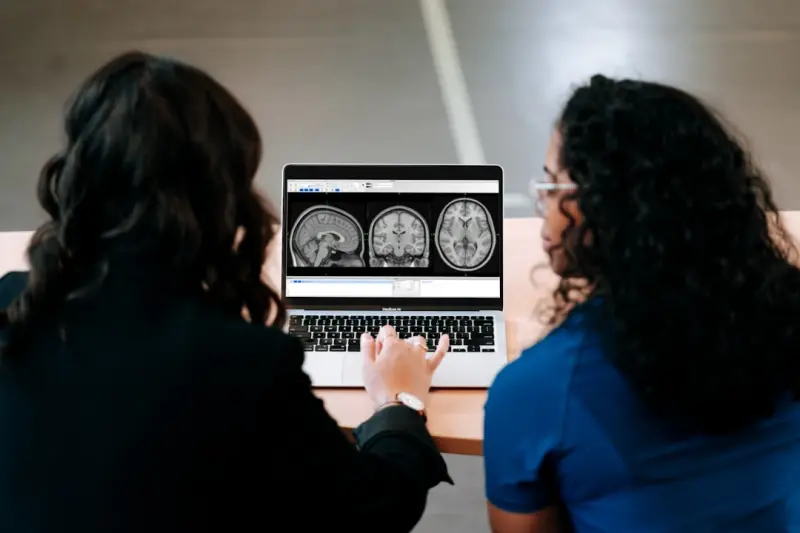
When I first sat in a hospital waiting room as a tech consultant, the hum of machines felt eerily familiar—just another data center, only the stakes were human lives. That moment sparked a lingering question: what if the same algorithms that predict traffic jams could anticipate a tumor’s next move? What if the same immersive graphics that power video games could soothe a patient’s pain without a pill?
The Quiet Revolution: From Reactive to Proactive Cancer Care
For decades, oncology has been a reactive discipline: detect, diagnose, treat, then hope for remission. The “detect” phase often feels like waiting for a fire alarm that blares too late. Today, a quiet revolution is underway, driven not by new drugs alone but by data, empathy, and design thinking. This shift is less about “more” – more scans, more chemo – and more about precision timing and personal relevance. It’s about turning the cancer journey from a series of forced, generic steps into a fluid, patient‑centric narrative.
1. Predictive Analytics: From Numbers to Narratives
Predictive analytics has already reshaped fields like finance and logistics, and its promise in health is just beginning to surface. By aggregating genomic data, imaging trends, lifestyle factors, and even social determinants of health, machine‑learning models can generate a probability map of disease progression. These maps are not static; they evolve with each new lab result, each symptom logged, each therapy administered.
Imagine a dashboard that alerts a clinician not only that a tumor has grown, but that, based on a patient’s unique molecular signature and recent lifestyle changes, the likelihood of resistance to the current regimen has risen to 73%. The doctor can then pivot—perhaps adding a targeted inhibitor before the next cycle, sparing the patient weeks of ineffective treatment.
For those wary of a “big data” takeover, consider this analogy: Predictive analytics in health has already helped reframe prediabetes as a proactive power move. In oncology, the same principle applies—shifting the narrative from inevitability to agency.
2. Digital Companions: AI‑Powered “Sidekicks” for Patients
When a friend says, “I’m here for you,” the comfort is palpable. Replicating that human touch at scale is the ambition behind AI‑driven digital companions. These are not cold chatbots spitting generic reassurance; they are empathetic agents trained on thousands of patient narratives, capable of:
- Personalized education: translating complex pathology reports into plain language that respects a patient’s literacy level.
- Medication management: sending gentle, timed reminders that sync with a patient’s daily routine, reducing missed doses.
- Emotional check‑ins: detecting tonal shifts in voice or text to flag anxiety spikes, prompting a human counselor to intervene.
Early pilots have shown that patients who engage with a digital companion report a 22% reduction in perceived isolation and a 15% increase in adherence to oral therapies. The key is designing these agents with cultural humility and allowing patients to choose the tone, language, and frequency of interaction.
3. Virtual Reality: Re‑wiring Pain Pathways
VR is often marketed as the next frontier of gaming, but its therapeutic applications are equally compelling. Immersive environments can distract the brain from nociceptive signals, effectively lowering the perceived intensity of pain. For cancer patients, VR can be used in three distinct phases:
- During chemotherapy: A calming seaside simulation can reduce nausea and anxiety, making the infusion experience less traumatic.
- Post‑surgical rehab: Guided physical therapy in a virtual forest encourages movement, improving range of motion while the mind stays engaged.
- End‑of‑life care: Personalized memory journeys—revisiting a hometown or a cherished vacation—can provide emotional solace and a sense of closure.
Clinical trials report that VR can cut acute pain scores by up to 40% without additional medication, a statistic that translates to fewer opioid prescriptions and a lower risk of dependence.
4. Community‑Driven Clinical Trials: Crowdsourcing the Future
Traditional clinical trials often suffer from slow enrollment and rigid protocols. By leveraging online platforms, researchers can invite patients to co‑design study parameters—selecting endpoints that matter most, such as quality of life or return‑to‑work timelines. This crowdsourced approach democratizes research, accelerates recruitment, and yields data that is more reflective of real‑world outcomes.
One pioneering platform paired oncology patients with data scientists, resulting in a trial where patients could toggle the dosage schedule in real time, based on personal fatigue levels. The adaptive design not only improved adherence but also uncovered a novel dosing window that maximized efficacy while minimizing side effects.
5. Financial Navigation Tools: Tackling the Hidden Toxicity
Beyond the physical battle, cancer patients wage a silent war against financial toxicity. Unexpected co‑pays, travel costs, and lost wages can erode mental health and even influence treatment decisions. Emerging fintech solutions integrate with insurance APIs to:
- Auto‑populate claim forms, reducing administrative burden.
- Provide real‑time cost forecasts for upcoming procedures.
- Offer micro‑loans or grant matching for out‑of‑pocket expenses.
When patients see a clear, actionable financial roadmap, they can focus on healing rather than budgeting for survival.
6. The Role of Storytelling: Connecting Data with Humanity
Data tells us the “what,” but stories reveal the “why.” In cancer care, narratives bridge the gap between clinical metrics and lived experience. By encouraging patients to record their journeys—through video diaries, blogs, or art—clinicians gain insights into coping mechanisms, cultural beliefs, and unmet needs.
One program integrated patient stories into the electronic health record, allowing oncologists to read a brief excerpt before appointments. This simple practice fostered deeper empathy, prompting clinicians to adjust communication style and even revisit treatment goals that aligned better with the patient’s personal values.
For a deeper dive into how narrative shapes healing, explore Storytelling in cancer care.
7. Nutrition Tech: Personalized Diets Powered by Metabolomics
While diet has long been a side note in oncology, advances in metabolomics now allow clinicians to map a tumor’s metabolic dependencies. By analyzing blood and urine samples, algorithms can suggest foods that may starve the cancer cells while nourishing the patient.
For example, a patient with a tumor that overexpresses a glycolysis pathway might receive a low‑glycemic, high‑fat diet that limits glucose availability. The diet plan is delivered via a mobile app that adjusts recipes based on real‑time blood glucose readings, ensuring the patient stays within therapeutic windows.
8. Integrating Wearables: From Passive Monitors to Active Coaches
Wearable technology has evolved from step counters to sophisticated biosensors capable of tracking heart rate variability, oxygen saturation, and even circulating tumor DNA fragments in sweat. When integrated with a cloud‑based analytics engine, these devices become active coaches that:
- Alert clinicians to early signs of infection during neutropenia.
- Suggest breathing exercises when stress markers rise.
- Prompt a hydration reminder when dehydration risk spikes.
By turning passive data collection into actionable insight, wearables help maintain treatment continuity even when patients are at home.
9. Ethical Guardrails: Ensuring Trust in Tech‑Heavy Oncology
With great data power comes great responsibility. As we embed AI, VR, and digital companions into cancer care, we must establish clear ethical frameworks:
- Transparency: Patients should understand how algorithms make recommendations.
- Bias Mitigation: Diverse data sets must be used to avoid perpetuating health disparities.
- Consent: Continuous, informed consent should be a dynamic process, not a one‑time signature.
Regulatory bodies, patient advocacy groups, and tech developers must collaborate to craft guidelines that protect autonomy while fostering innovation.
10. Looking Ahead: A Vision of Integrated, Human‑Centric Oncology
If you combine predictive analytics, digital companions, VR, community‑driven trials, financial navigation, storytelling, nutrition tech, and wearables, the result is a tapestry where every thread reinforces the other. The patient is no longer a passive recipient of care but an active co‑author of their health narrative.
In this emerging model, the hospital’s role shifts from a siloed treatment center to a hub of interdisciplinary collaboration—where data scientists sit beside dietitians, where a VR therapist consults with an oncologist, and where a patient’s story informs the next research protocol.
As we stand on the cusp of this transformation, the challenge is not just technological—it’s cultural. We must nurture a mindset that sees data as a partner, not a replacement, and that values empathy as much as efficacy. When we succeed, cancer care will no longer be a series of isolated milestones but a continuous, supportive journey tailored to each individual’s biology, psychology, and life story.
For readers interested in unlocking broader health potentials that complement this cancer‑focused narrative, consider exploring Beyond the basics: hidden health levers, which offers actionable insights applicable across disease spectrums.

Related Posts

Why Laughter Is the Secret Weapon in Cancer Care
Discover the transformative role of humor in cancer treatment, from physiological benefits to practi... Read More

Living Beyond Diagnosis: A Holistic Journey Through Cancer
A heartfelt, holistic guide to navigating cancer, blending mindset, nutrition, sleep, and supportive... Read More
When Cancer Meets Creativity: Harnessing Narrative Healing for Resilience
This article explores the science and practical steps behind using storytelling and creative express... Read More
Top Posts

Turning Your Health Insurance Into a Strategic Wellness Partner
Learn how to shift your view of health insurance from a safety net to a proactive wellness engine, using preventive services, digital tools, and employer incent...Read More

The Soundtrack of New Life: How Early Auditory Experiences Shape Infant Health
A newborn’s ears are active participants in development. This article explains how prenatal and early postnatal sounds shape brain wiring, sleep, stress, and ...Read More

Paula Wright’s Holistic Guide to Nurturing Liver Health in a Busy World
Paula Wright shares her personal journey and practical, holistic tips for protecting your liver—covering diet, detox, stress relief, and monitoring for lastin...Read More

The Surprising Science Behind Infant Skin‑to‑Skin Contact
Learn why skin‑to‑skin isn’t just sweet—it’s a powerful health tool that strengthens your baby’s immune system, sleep patterns, and your own wellbei...Read More
0 Comments
Post Comment
You will need to Login or Register to comment on this post!